
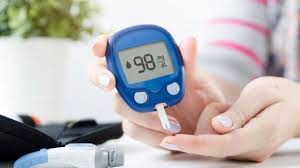
Health Alert: Why is the risk of diabetes increasing at the age of 30? Junk food hobby can become a silent killer, know the right way to prevent it

News India Live, Digital Desk: Earlier it was believed that diabetes is a disease that occurs after the age of 50 or 60, but now its cases are increasing rapidly in youth of 30 years. Endocrinologists and health experts have warned that our ‘junk food culture’ and sedentary lifestyle has completely disturbed the insulin balance in the body of the youth. If you are also fond of burgers, pizza and cold drinks, then this news is a ‘wake-up call’ for you. Direct connection between junk food and diabetes: Endocrinology revealed. What happens in the body when you eat highly processed and junk food? Insulin resistance: ‘Refined sugar’ and ‘maida’ present in junk food suddenly increase the sugar level in the blood. To control this, the pancreas has to produce more insulin, due to which the body gradually becomes less sensitive to insulin. Belly Fat: Junk food contains high amount of ‘trans fat’, which gets accumulated especially around the stomach. This fat releases chemicals that interfere with the functioning of insulin. Metabolic Disorder: Metabolism starts slowing down at the age of 30. In such a situation, high-calorie food becomes like poison for the body. 5 early ‘red flags’ (signs) visible at the age of 30: If you are feeling these symptoms, get your HbA1c test done immediately: Extreme fatigue: Feeling tired throughout the day even after getting enough sleep. Frequent hunger and thirst: Feeling the desire to eat something sweet again immediately after eating. Blurry vision: Sudden change in eyesight or Blurring. Wounds do not heal quickly: Small scratches or bruises take a long time to heal. Sudden weight loss: Rapid weight loss without any exercise. Doctors advice: How to avoid the ‘sugar’ trap? 80/20 rule: Keep 80% of home-made nutritious food in your diet and limit junk food to only 20% or less (1-2 times a month). Make fiber a friend: Instead of flour, include ‘whole grains’ (whole grains), green vegetables and fruits. Fiber slows down the absorption of sugar. 30-minute walk: Endocrinologists believe that just a 30-minute brisk walk daily can reduce the risk of diabetes by 40%.

Comments are closed.