
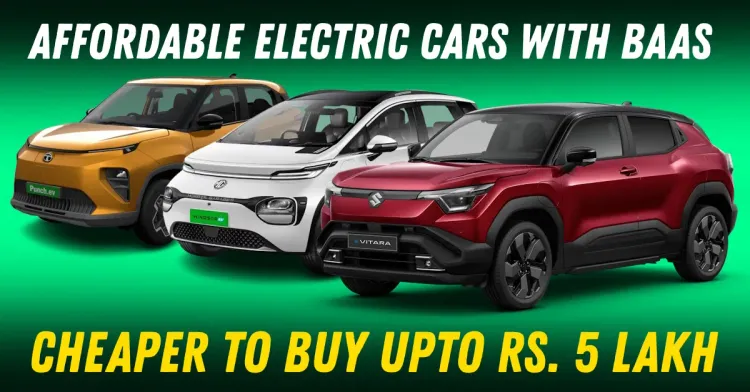

Battery as a Service, commonly known as BaaS, was introduced to the domestic electric vehicle market as a revolutionary retail idea. The premise was straightforward. By removing the high cost of the battery from the initial purchase price, electric cars would instantly become as affordable as their petrol-powered counterparts.
However, nearly 18 months after its widespread introduction, the model has largely failed to find takers. Industry data reveals that only 2 to 3 percent of electric vehicle buyers are currently opting for the subscription model, with the vast majority choosing to buy the car and the battery upfront in a single transaction.
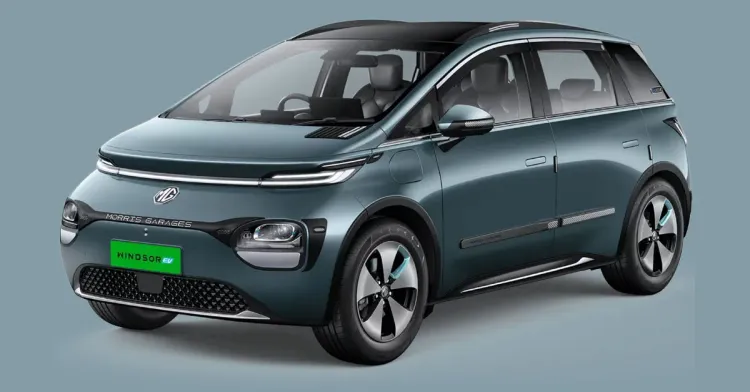
Despite automakers like JSW MG Motor and Tata Motors heavily promoting the concept, the ground reality shows a very different picture. The MG Windsor EV, for instance, was launched with a highly attractive price of Rs 9.99 lakh without the battery, compared to its standard Rs 13.5 lakh price tag for the full vehicle.
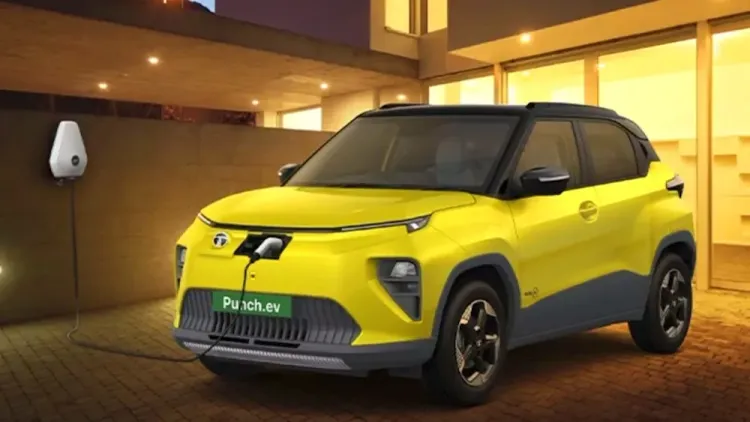
Similarly, the Tata Punch EV was offered to buyers at Rs 6.49 lakh under the battery subscription structure, which is a sharp drop from its standard starting price of Rs 9.69 lakh. While these lower entry prices generate significant showroom footfall, a closer look at consumer behaviour and the underlying financial structure of the scheme explains exactly why the subscription model is currently a flop.
The need for complete ownership
The foremost hurdle for the subscription model is the traditional buyer mindset. Car buyers place a heavy emotional and sentimental value on total vehicle ownership. The idea of owning the car shell but renting its most critical and expensive component does not sit well with most buyers.
Consumers want the peace of mind that comes with owning the whole car outright from day one. The psychological barrier of driving a vehicle with a rented heart is proving too strong for a mere reduction in the initial sticker price to overcome.
The trap of double EMIs
Financially, the subscription model complicates the monthly budget for the buyer. When purchasing an electric vehicle under the battery as a service scheme, the buyer typically takes a traditional car loan for the vehicle body. Alongside this loan, they must pay a separate subscription fee to the battery financier.
This effectively traps the buyer in a dual EMI structure. Having to manage two separate recurring payments every single month is seen as an unnecessary financial burden and an administrative hassle that most customers prefer to avoid.
A calculated marketing strategy
Many buyers and industry observers now view the battery subscription model as a clever marketing stunt rather than a genuine ownership alternative.
The primary function of the subscription model has been to allow manufacturers to advertise incredibly low, headline grabbing starting prices. These lower base prices attract curiosity and bring customers into the showrooms.
However, once the dealership explains the complex battery rental calculations and the long-term financial commitments, most buyers quickly pivot back to purchasing the vehicle in full. The low advertised price acts as an anchor to get attention, not as a practical retail solution.
Penalty for high usage
The most glaring flaw in the subscription model is its strict cost structure for the end user. Customers are required to pay a per kilometer charge for the battery usage.
This specific set-up essentially penalizes people who drive a lot. The fundamental financial logic of buying an electric vehicle is to recover the higher initial cost through lower running costs over high mileage.
By charging a set fee for every single kilometer driven, the subscription model makes the vehicle progressively more expensive for heavy users. This defeats the entire purpose of shifting to electric mobility for frequent commuters and long-distance drivers.
Uncertainty in the used market
Another major factor suppressing demand is the lack of clarity regarding future resale value. The used car market relies heavily on straightforward, clean ownership transfers.
When a vehicle with a leased battery enters the second-hand market, valuing the car becomes incredibly complicated. Prospective buyers of used electric cars are highly hesitant to take on an ongoing battery rental agreement initiated by the previous owner.
This ambiguity heavily impacts the resale value of the car, further discouraging initial buyers from opting for the subscription path.

Comments are closed.