
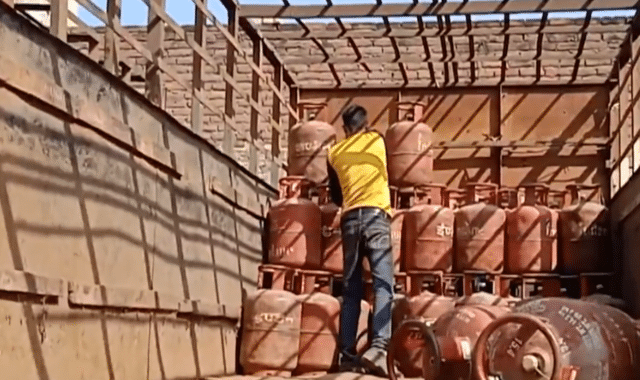

In a significant move to support commercial establishments and ease supply pressures amid ongoing developments in West Asia, the Government of India has approved an additional 20% allocation of commercial LPG for States and Union Territories. This takes the overall commercial LPG allocation to 50%.
The latest approval, communicated on March 21, 2026, prioritises critical sectors such as restaurants, dhabas, hotels, industrial canteens, food processing units, dairy plants, subsidised canteens run by State governments or local bodies, community kitchens, and 5 kg Free Trade LPG (FTL) cylinders specifically for migrant labourers.
This step builds on previous measures, including an earlier 20% restoration and an additional 10% based on ease of doing business reforms for PNG infrastructure expansion. With supplies under stress due to the geopolitical situation, including the closure of the Strait of Hormuz, the government is balancing immediate needs while pushing for a long-term shift to Piped Natural Gas (PNG).
Strong Push Towards PNG Adoption
Alongside the LPG increase, City Gas Distribution (CGD) entities have been directed to prioritise PNG connections for commercial users like restaurants, hotels, and canteens. Ministries have been asked to fast-track all CGD-related approvals, and central government establishments have been advised to switch to PNG wherever available. Incentives are also being offered by companies like IGL, MGL, GAIL Gas, and BPCL.
States have been requested to expedite permissions for expanding the CGD network, with Petroleum and Explosive Safety Organisation (PESO) directed to clear applications within 10 days.
Stable Domestic Supply and Anti-Hoarding Measures
The government reassured that no dry-outs have been reported at LPG distributorships for domestic cylinders, with deliveries continuing normally through Delivery Authentication Code (DAC). However, commercial LPG remains a concern area.
Raids against hoarding and black marketing continue across states, with over 3,500 raids conducted and hundreds of cylinders seized in places like Uttar Pradesh, Telangana, and Maharashtra. States have been empowered to take strict action under the Essential Commodities Act.
Broader Energy and Maritime Situation
All refineries are operating at high capacity with adequate crude stocks. Priority is being given to domestic LPG production and essential sectors. India’s ports are functioning smoothly with no congestion reported.
The government continues to monitor the situation in the Gulf and West Asia closely, with top priority on the safety of Indian nationals. Fifteen Indian crew members from MT Safesea Vishnu have safely returned from Iraq.
Citizens have been advised against panic buying and to consider switching to PNG or other alternatives like induction cooktops for energy conservation.
This multi-pronged strategy aims to ensure uninterrupted supply while accelerating infrastructure development for cleaner and more reliable fuel options in the long run.

Comments are closed.