
Did Iran Allow Indian Ships Through the Strait of Hormuz or Not? The Contradictory Claims Explained

Nobody agrees on what happened. And that confusion itself is the story.
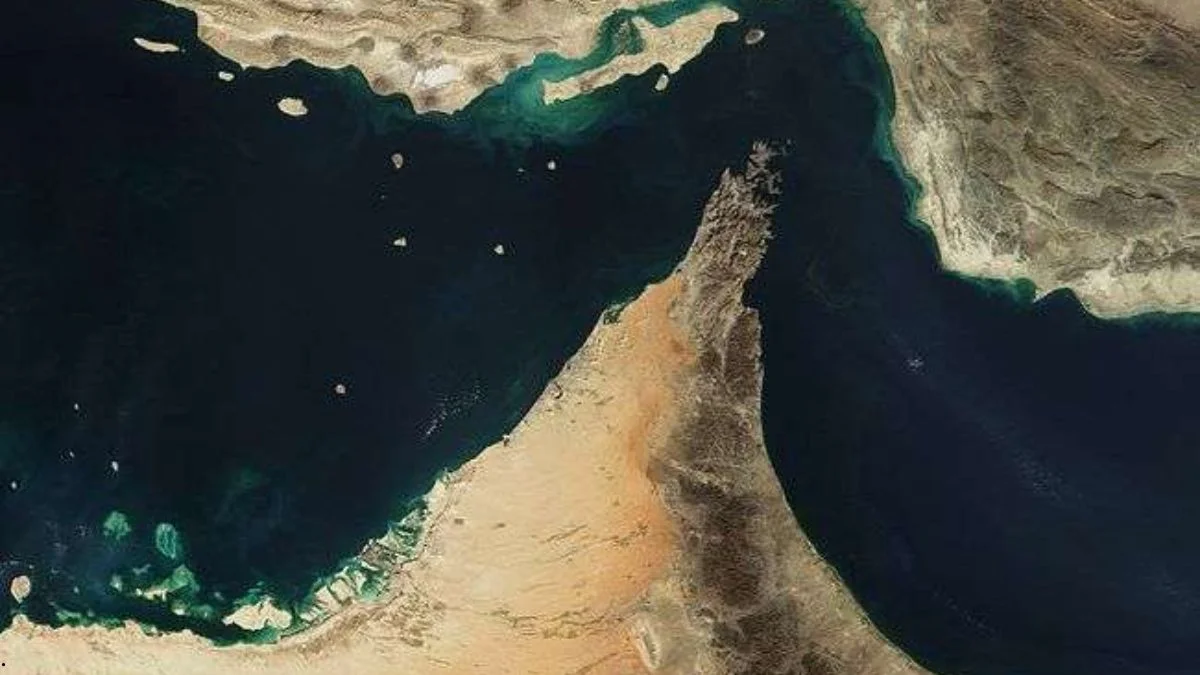
On Thursday, a single report dispatch set off a wave of contradictory headlines across every platform in the world. The wire carried two sentences that directly contradicted each other. Initial reports claimed Iran had agreed to allow India-flagged tankers to pass through the Strait of Hormuz. An Iranian source, in the same report, denied it entirely.
The Indian version of events has been circulating since Wednesday, with diplomatic sources suggesting that External Affairs Minister S. Jaishankar’s conversations with Iranian Foreign Minister Abbas Araghchi had produced a quiet but significant breakthrough. According to these accounts, Iran agreed to exempt India-flagged tankers from its blanket restrictions on maritime traffic through the Strait — a carve-out that would allow Indian vessels carrying crude oil and LNG to continue moving while ships linked to the United States, Israel, Europe and their allies remained blocked.
Specific vessel names — the Pushpak and the Parimal — were cited in some Indian media accounts as having crossed safely, carrying crude oil and gas. Indian diplomatic circles framed this as a meaningful win: proof that New Delhi’s long-cultivated policy of strategic autonomy and its historically warm ties with Tehran had produced a practical benefit at a moment of acute energy crisis.
For India, the stakes of this claim being true are enormous. The country imports roughly 85% of its crude requirements, a significant portion of which moves through the Strait of Hormuz. An exemption for Indian-flagged tankers would meaningfully ease the supply crunch that has already pushed LPG cylinder prices to ₹913 in Delhi and triggered nationwide shortages of cooking gas.
The Iranian source on the other hand quoted by Reuters said none of this is true. No exemption has been granted. No special passage has been agreed. India-flagged tankers are subject to the same restrictions as everyone else.
Iran’s broader public position throughout the conflict has been unambiguous. Iranian Revolutionary Guards have repeatedly stated that no ship will be allowed to pass, and that not one litre of oil will flow through the Strait while U.S. and Israeli attacks on Iran continue. Tehran has attacked multiple commercial tankers, causing fires and crew casualties. There have been reports of mines being laid in shipping lanes. Tanker traffic through the world’s most important oil chokepoint has nearly halted.
Against that backdrop, the Iranian denial is at minimum consistent with everything Tehran has said publicly since the conflict escalated.
The contradiction is real but not necessarily as clean as it appears. Several interpretations are possible and all are being actively debated by analysts and journalists who cover the region.
The first possibility is that an informal understanding exists that neither side wants to formally acknowledge. Iran may have quietly signalled to India that its tankers will not be targeted — without issuing any formal exemption that could be cited as a concession or that would undermine Tehran’s public position of total blockade. India may be characterising that informal signal as an agreement. Iran may be denying a formal agreement because no formal agreement exists, while the practical reality on the water is that Indian vessels are moving. Both sides would be technically telling their version of the truth.
The second possibility is that individual Iranian commanders on the ground are making ad hoc decisions about which ships to intercept and which to let through, without central policy coordination. Some Indian vessels may have passed not because of any diplomatic arrangement but because of operational decisions made in real time by Revolutionary Guard units whose priorities on a given day differed from their public statements.
The third possibility is simpler and less comfortable: one side is lying, and the other is telling the truth. Determining which is which requires information that neither government is currently providing publicly.
The reaction in oil markets was immediate and volatile. Energy analysts have been notably cautious. Several noted on Thursday that even if India has secured some form of informal passage arrangement, it covers only Indian-flagged vessels — a fraction of total Hormuz traffic. The broader closure, affecting the 20% of global crude and significant LNG volumes that normally move through the Strait, remains in effect for the vast majority of shipping. An Indian exemption, if real, is a footnote to the larger crisis rather than a resolution of it.
Shipping industry sources have added another layer of complexity. Even if Iran has agreed not to target Indian-flagged vessels, insurance underwriters and shipping companies are not operating on the basis of diplomatic claims. War risk premiums for Hormuz transit remain at extreme levels. Until physical evidence — vessels actually transiting safely and consistently — accumulates over days rather than hours, the insurance and shipping industry will not treat any reported exemption as operationally reliable.
Strait of Hormuz has seen a near-halt in normal tanker traffic since the conflict escalated. Iran has attacked multiple commercial vessels. Iran has publicly vowed to block oil flows while attacks on its territory continue. An Indian government source told Reuters on Thursday that India-flagged tankers have been given passage
No formal or informal diplomatic arrangement exists, whether specific named Indian vessels have actually transited successfully, and whether any arrangement — if it exists — is durable or subject to reversal with the next escalation in the conflict.
The honest answer to the question of whether Iran allowed Indian ships through is: we do not know for certain, and the two governments are currently giving the world contradictory information. In a crisis where a single sentence moves oil prices, that uncertainty is not a footnote. It is the entire story.

Comments are closed.