
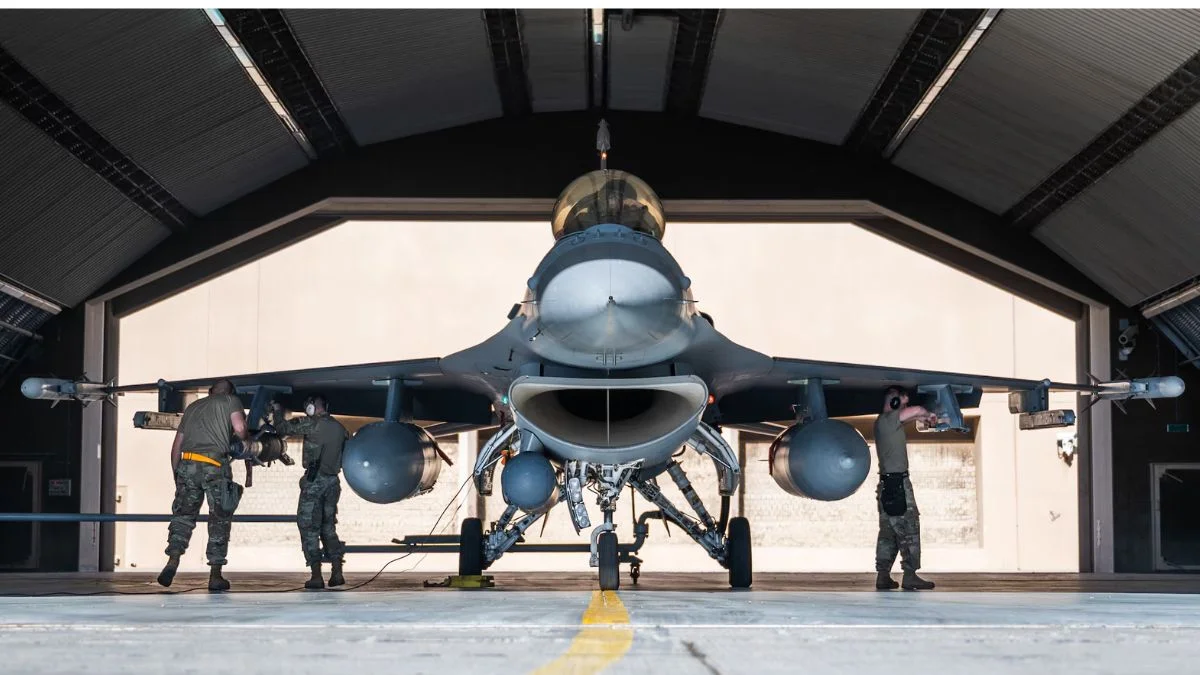

Saudi Arabia has agreed to grant the United States expanded access to King Fahd Air Base in Taif, western Saudi Arabia, to support military operations against Iran, marking a significant shift in its role as regional tensions continue to escalate.
The development, reported on March 20, 2026, comes amid the ongoing U.S.-Israeli conflict with Iran, which has intensified since late February. The decision follows high-level discussions between Elbridge Colby and Saudi Defence Minister Khalid bin Salman, a close adviser to Crown Prince Mohammed bin Salman, with multiple Western officials pointing to growing security pressures as a key factor behind the move.
King Fahd Air Base in Taif has been selected for its strategic location in the west of the kingdom, placing it beyond the effective range of many Iranian drones and ballistic missiles that have targeted facilities closer to the Gulf. Recent strikes on Prince Sultan Air Base near Riyadh, including damage to U.S. refueling aircraft, have highlighted the vulnerabilities of eastern installations.
The base’s proximity to Jeddah on the Red Sea further enhances its importance, particularly as instability around the Strait of Hormuz has disrupted traditional Gulf supply routes, making alternative logistics corridors increasingly critical for sustained military operations.
This move reflects a notable evolution in Saudi Arabia’s approach. While Gulf states initially sought to balance their security partnerships with calls for de-escalation, Riyadh’s decision to expand U.S. access and grant overflight permissions signals a more active, though still measured, alignment with Washington as the conflict deepens.
The agreement also carries risks, potentially exposing Saudi Arabia to retaliation and drawing it closer to direct involvement. However, with continued coordination between Donald Trump and Saudi leadership, and ongoing U.S. troop movements in the region, the activation of King Fahd Air Base is expected to strengthen operational capabilities while reducing immediate exposure to threats.
As the conflict enters its fourth week, the move underscores a broader regional shift, with Saudi Arabia gradually transitioning from a cautious host of U.S. forces to a more engaged strategic partner in an increasingly volatile landscape.

Comments are closed.