
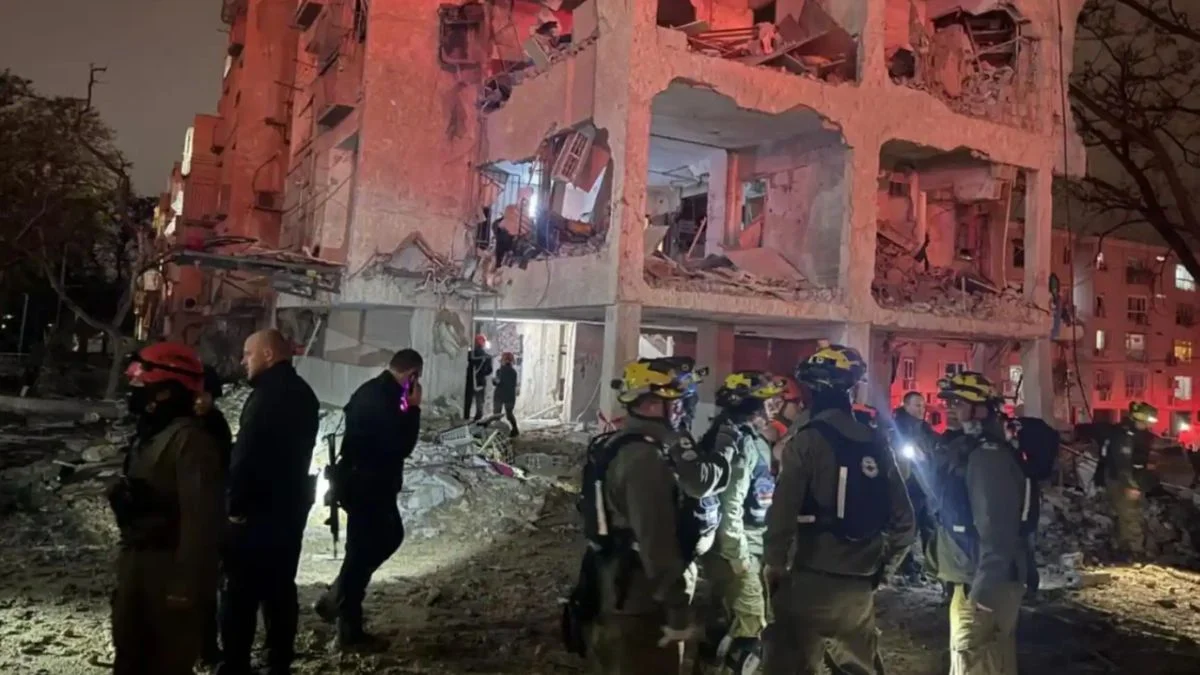
IDF launches investigation into air defense failure during Iranian missile strikes in cities of Dimona and Arad

In a significant escalation of the ongoing Israel-Iran conflict, Iranian ballistic missiles struck the southern Israeli cities of Dimona and Arad on Saturday night, March 21-22, 2026, injuring over 100 people and causing widespread damage. The Israel Defense Forces (IDF) has stated that its advanced air defense systems were activated but failed to intercept at least two of the incoming projectiles, prompting an immediate probe into the incident.
Brigadier General Effie Defrinthe IDF spokesperson, addressed the failure directly in a statement posted on X (formerly Twitter). He emphasized that the air defense systems operated as intended but did not succeed in neutralizing the missiles. “The air defense systems operated but did not intercept the missile. We will investigate the incident and learn from it. This is not a special or unfamiliar type of munition,” Defrin stated. He extended sympathies to the affected residents of Arad and Dimona, wishing the dozens of victims a speedy recovery.
Details of the Iranian Missile Attack
The strikes targeted areas near Israel’s secretive nuclear reactor in Dimona, located in the Negev desert, raising concerns about the strategic implications. Reports indicate that Iranian missiles caused direct impacts, including the destruction of buildings in both cities. Emergency services declared a mass casualty event in Arad, with search and rescue operations underway amid reports of collapsed structures and people trapped under rubble.
Israeli medics and authorities reported injuries ranging from light to serious, with figures exceeding 100-160 in some accounts, including dozens requiring hospitalization. The attacks are seen as retaliation for alleged prior strikes on Iranian nuclear facilities, such as Natanz, though Israel has denied specific involvement in some claims.
Iranian officials, including Parliament Speaker Mohammad Bagher Ghalibaf, highlighted the breaches as evidence of vulnerabilities in Israel’s defenses, particularly in heavily protected zones like Dimona, describing it as a “new phase” in the conflict.

Comments are closed.