
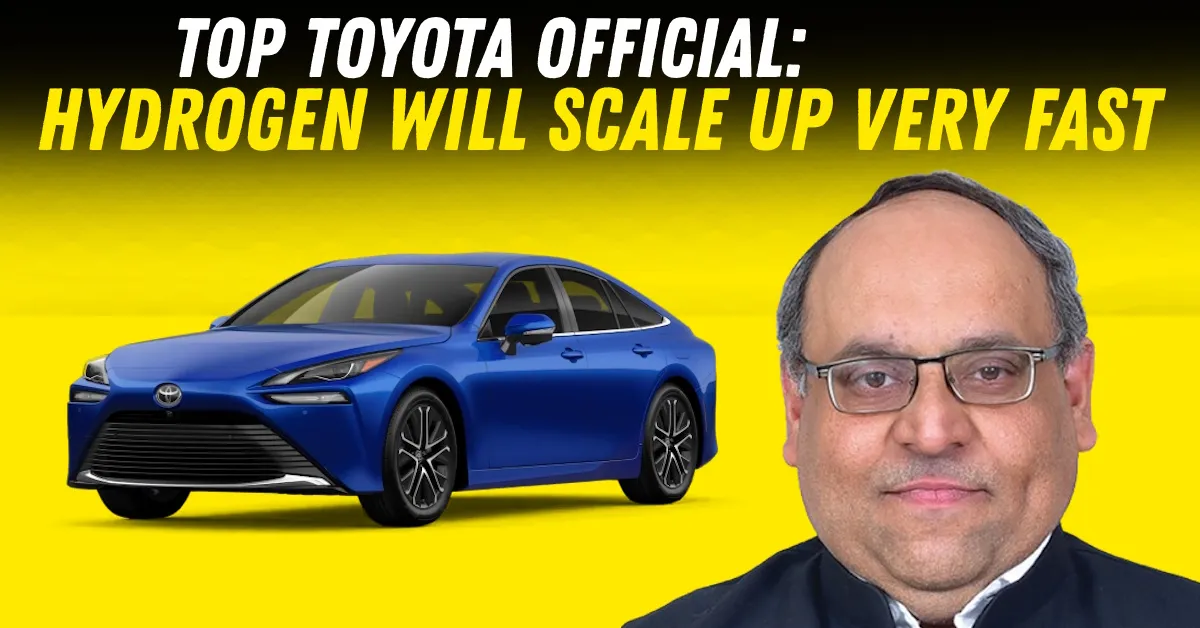

Toyota is actively expanding its zero-emission product strategy in the country, maintaining a strong belief that multiple powertrain technologies are necessary for a complete green transition.
While the automaker recently launched its first mass market electric vehicle, the Urban Cruiser EBella, the company management remains highly optimistic about the future of alternative fuels.
Vikram Gulati, the Country Head of Corporate Affairs at Toyota Kirloskar Motor, recently emphasized that hydrogen powered vehicles could scale up significantly faster than initial industry estimates suggest.
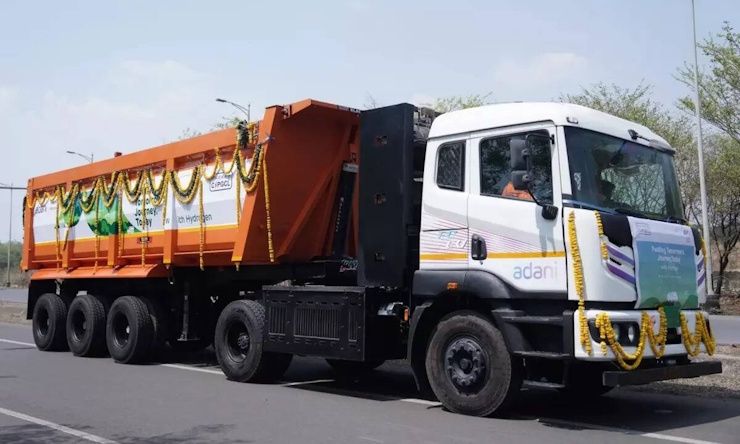
According to Toyota, the primary catalyst for rapid hydrogen adoption will be the heavy commercial sector. Heavy duty applications, such as long-haul trucks and large passenger buses, are perfectly suited for hydrogen technology.
Battery electric trucks often struggle with extreme payload weight and long charging downtimes, whereas hydrogen offers rapid refuelling and massive energy density. Gulati pointed out that hydrogen is incredibly effective as an energy storage medium, making it the ideal solution for hard to abate sectors where traditional batteries fall short.
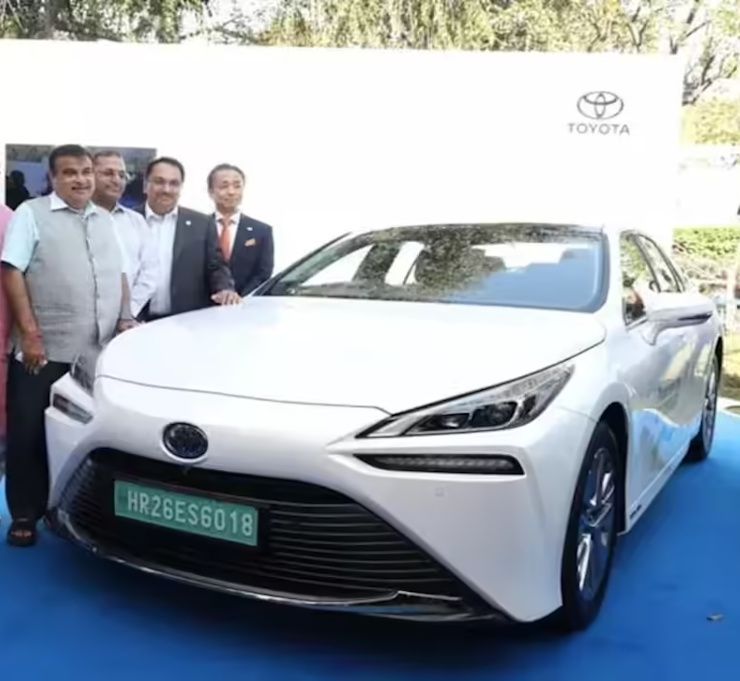
The company anticipates that the domestic hydrogen ecosystem will develop in phases. Initially, the market will likely see a mix of internal combustion engines modified to burn hydrogen gas directly, running alongside early Fuel Cell Electric Vehicles.
However, as the localized supply chain for green hydrogen picks up momentum and the core technology becomes cheaper to manufacture, Fuel Cell vehicles will see much faster adoption. This growth is expected to eventually trickle down from massive commercial trucks to regular passenger cars.
Despite the recent launch of the electric Urban Cruiser EBella and the premium Lexus ES 500e, Toyota is not abandoning its other technologies. The manufacturer maintains that forcing a single battery electric solution is not practical for a diverse market. The energy generation mix in the country still relies heavily on coal, which limits the overall environmental benefit of pure electric cars.
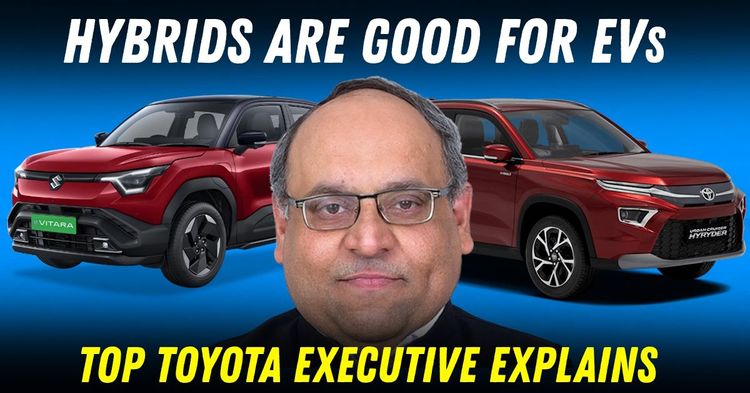
In this context, Toyota believes that strong hybrid vehicles continue to offer immediate carbon reduction benefits without relying on an overloaded public charging network. The company plans to continue selling a broad mix of battery electric vehicles, strong hybrids, plug in hybrids, and alternative fuel vehicles. The management confirmed that conventional fuels like diesel and compressed natural gas will also remain relevant in the near term, as long as they comply with the strict upcoming emission norms.
To make these advanced technologies affordable, local manufacturing is essential. Toyota has already achieved over 90 percent localisation on its key volume models. For its electrified range, the company operates a dedicated e-drive manufacturing facility that produces roughly 135,000 units annually. However, localising complex components like semiconductors and advanced battery materials remains a significant challenge that will require gradual, long-term investment.
To accelerate the transition to cleaner mobility, Toyota is actively advocating for a shift in the current taxation policy. The automaker argues that the government should adopt a carbon-based taxation system rather than taxing vehicles solely based on their powertrain type or physical length. Taxing vehicles directly based on their total carbon footprint would create a more balanced market, naturally pushing consumers toward cleaner technologies regardless of whether they choose a hybrid, a battery electric car, or a hydrogen vehicle.
Via ETAuto

Comments are closed.