

Learn what foods can help lower your risk, plus other tips to support colon health.
Reviewed by Dietitian Jessica Ball, M.S., RD
Key Points
- A high-fiber diet with fruits, vegetables and whole grains helps lower colorectal cancer risk.
- Colorectal cancer screening is the most effective early detection method.
- Limiting alcohol, avoiding tobacco and staying physically active are also important strategies.
Colorectal cancer is now the third most common cancer worldwide, and rates are rising among younger adults. This trend is driven by a combination of factors, including genetics, lifestyle habits and environmental influences. Among these, nutrition stands out as a powerful area where everyday choices can play a meaningful role in supporting health. While certain dietary choices alone won’t single-handedly prevent colon cancer, the foods we eat can impact key factors like inflammation, cellular health and the balance of our gut microbiome—all of which may influence colorectal cancer risk. To help you make informed and practical changes, we turned to dietitians to uncover the foods they recommend incorporating more often to promote colon health and reduce your risk of this potentially lethal disease.
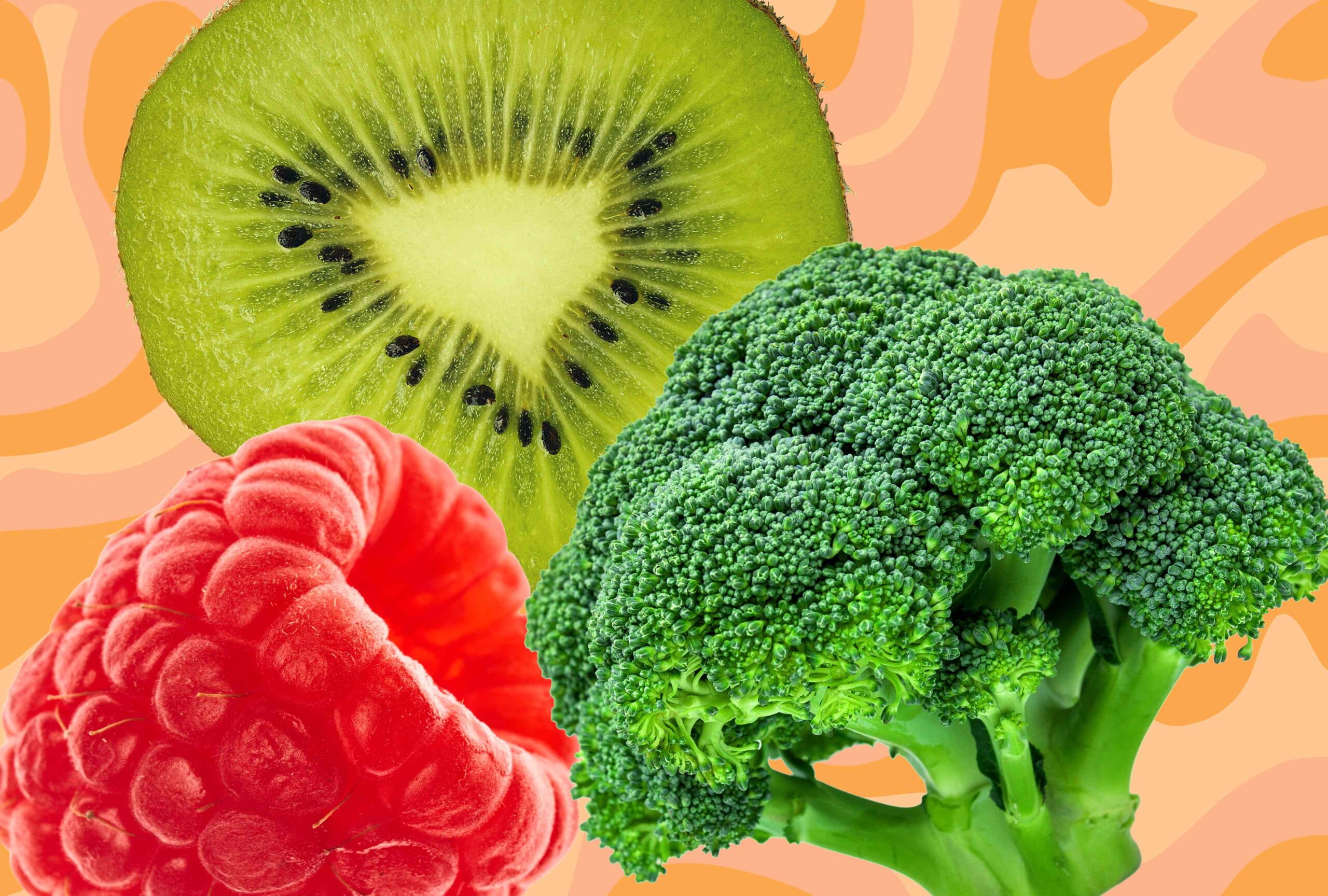
1. Kiwis
“Kiwis aren’t just great for digestion – they actually support several processes that help protect the colon over time,” notes Cassy TignerRD. One reason? Kiwis contain fiber, “which helps keep things moving through your digestive tract so waste—and any potentially harmful substances—spend less time sitting in your colon. Regular bowel movements and faster transit time are both linked to a lower risk of colorectal cancer,” Tigner adds.
Beyond basic digestion, kiwis play a crucial role in maintaining a healthy microbiome. As Tigner explains, “The real magic of kiwis comes from how they support your gut bacteria. Kiwis are rich in prebiotics, which feed the good bacteria in your colon. A healthy, balanced microbiome is one of the most important factors in reducing inflammation and keeping colon cells healthy—both of which help lower colorectal cancer risk.”
2. Broccoli
Broccoli and its cruciferous relatives stand out as some of the most powerful tools for cancer prevention. “Multiple meta-analyses show that eating more cruciferous veggies, like broccoli, cabbage and kale, is linked with a lower risk of colorectal cancer,” states Johannah Katz, M.A., RD.
The specific breakdown of these vegetables during digestion unlocks their true protective power. “Broccoli stands out because it’s not just high in fiber; it’s also packed with glucosinolates that help detoxify carcinogens and calm inflammation,” shares Katz. “Indole-3-carbinol (I3C) is another compound in mature cruciferous vegetables like broccoli, cabbage and Brussels sprouts,” Katz adds. Detailing how this works, Katz notes, “It forms during digestion and has its own anti-cancer properties, mainly influencing estrogen metabolism and cell signaling.”
3. Beans and Legumes
Beans and legumes serve as foundational foods for anyone looking to improve their gastrointestinal health. These plant-based proteins are “rich in fiber, but what makes them especially interesting is that they contain both soluble and insoluble fiber, along with resistant starch,” explains Samantha DeVito, M.S., RD. This combination ensures that food moves steadily through your system while also binding to cholesterol and other waste products to remove them from your body.
The resistant starch found in beans acts differently than standard carbohydrates, bypassing early digestion to reach the colon intact. “Resistant starch ferments in the colon and produces short-chain fatty acids like butyrate, which help nourish the cells lining the colon. That fermentation process is one of the proposed mechanisms behind fiber’s protective effect,” says DeVito. By supplying your colon cells with butyrate, beans directly feed the physical barrier that protects your intestinal walls. This fermentation process is thought to be one of the key mechanisms behind fiber’s protective effects against colon cancer, making beans and legumes a valuable addition to a diet focused on reducing risk.
4. Oats
Starting your day with a bowl of oats offers sustained energy and a powerful defense against digestive tract diseases. “As a whole grain, oats provide both soluble and insoluble fiber. Insoluble fiber supports regular bowel movements, while soluble fiber forms a gel in the digestive tract that can help lower cholesterol and regulate blood sugar,” details Amanda Godman RollM.S., RDN, CDN.
The benefits of oats extend far beyond just keeping you regular. They house specific antioxidants that specifically target inflammation within the body. According to Godman-Roll, “Oats also contain polyphenols, which may reduce colon cancer risk by slowing the growth of cancer cells.” This dual action of physical digestive support and chemical cellular protection makes oats a prime choice for colon health.
5. Raspberries
Raspberries bring a brilliant color and a sharp sweetness to meals, alongside an incredibly dense nutrient profile. Ounce for ounce, they provide one of the highest fiber contents of any fruit, easily helping you reach the recommended daily goals for digestive health.
The deep red pigment of raspberries indicates the presence of powerful bioactive compounds. “Raspberries contain compounds called ellagitannins. Research suggests these compounds may inhibit the growth of cancerous cells,” states Masha Davis, MPH, RD. When you digest ellagitannins, your gut bacteria convert them into smaller substances that help reduce oxidative stress and inflammation, directly supporting a healthy, resilient colon environment.
Other Tips for Lowering Colorectal Cancer Risk
Along with eating certain foods that may help reduce colon cancer risk, here are some tips to support colorectal health:
- Get regular colorectal cancer screenings. Screenings—such as a colonoscopy—can detect precancerous polyps early, allowing them to be removed before they develop into cancer.
- Stay physically active. Regular exercise helps maintain a healthy weight and supports overall gut health, which may lower cancer risk.
- Adopt a fiber-rich, plant-forward diet. Diets high in fruits, vegetables, whole grains and legumes provide nutrients and fiber that support colon health and reduce inflammation.
- Limit alcohol and avoid tobacco. Alcohol and tobacco are linked to an increased risk of colorectal cancer, so reducing or eliminating their use can help protect your health.
Our Expert Take
Taking control of your colorectal health requires a proactive, consistent approach. While we cannot change our age or genetics, we hold immense power over our daily habits. By filling your plate with fiber-rich foods, staying active and prioritizing recommended medical screenings, you create a powerful defense system. Modern medicine continues to advance rapidly, but your daily choices remain the absolute foundation of long-term colon health and disease prevention.

Comments are closed.