
UN Secretary-General Guterres says UN can help protect Strait of Hormuz amid rising tensions

In an exclusive interview with POLITICO, UN Secretary-General António Guterres emphasized the United Nations’ potential role in safeguarding the Strait of Hormuz, a critical global chokepoint for oil transit, as regional conflicts threaten to disrupt energy supplies and drive up worldwide prices.
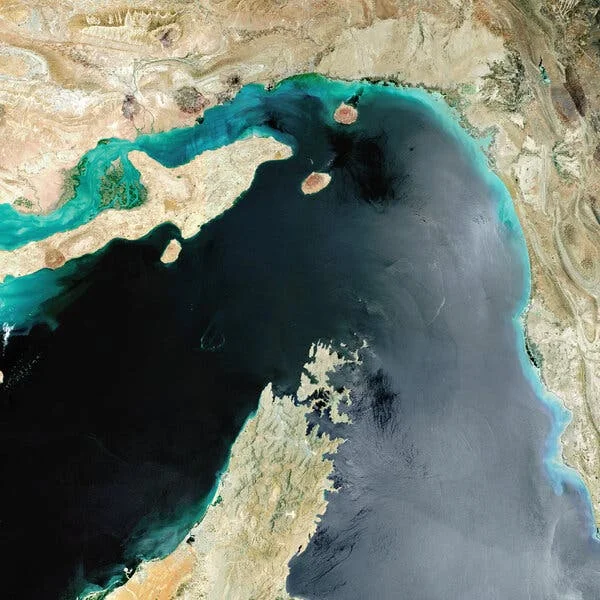
The Strait of Hormuz a narrow but extremely important waterway between the Persian Gulf and the Gulf of Oman is basically the world’s oil lifeline. Around 20–30% of global seaborne oil passes through it. Right now, with Iran disrupting movement in the strait amid the ongoing conflict, energy prices are climbing fast, and the pressure is hitting developing countries the hardest.
In conversations, Guterres didn’t hold back. He criticized attacks on energy infrastructure and pointed out that there are serious concerns that actions on both sides could amount to violations of international law. At the same time, he acknowledged that European countries have been cautious about jumping into the conflict militarily even as former U.S. President Donald Trump has pushed allies, including NATO members, to step in and secure the strait.
Instead of more military action, Guterres is clearly pushing diplomacy. His message is simple: this needs to stop before it spirals even further. He called on the U.S. and Israel to halt strikes, and urged Iran to stop targeting neighboring countries and reopen the strait immediately.
Meanwhile, leaders like Emmanuel Macron are exploring ways the UN could step in with a formal framework to ensure safe navigation. The idea is to make it a global, legitimate effort not something that looks like a one-sided intervention.
Guterres also highlighted the bigger picture: the longer the strait stays disrupted, the more ordinary people around the world suffer through rising fuel costs, inflation, and economic stress. His stance is clear: the “force of law” should win over the “law of force.”
While there’s no official UN mission yet, the direction is obvious. The UN is positioning itself as a mediator and stabilizer trying to keep a regional conflict from turning into a full-blown global economic crisis.

Comments are closed.