
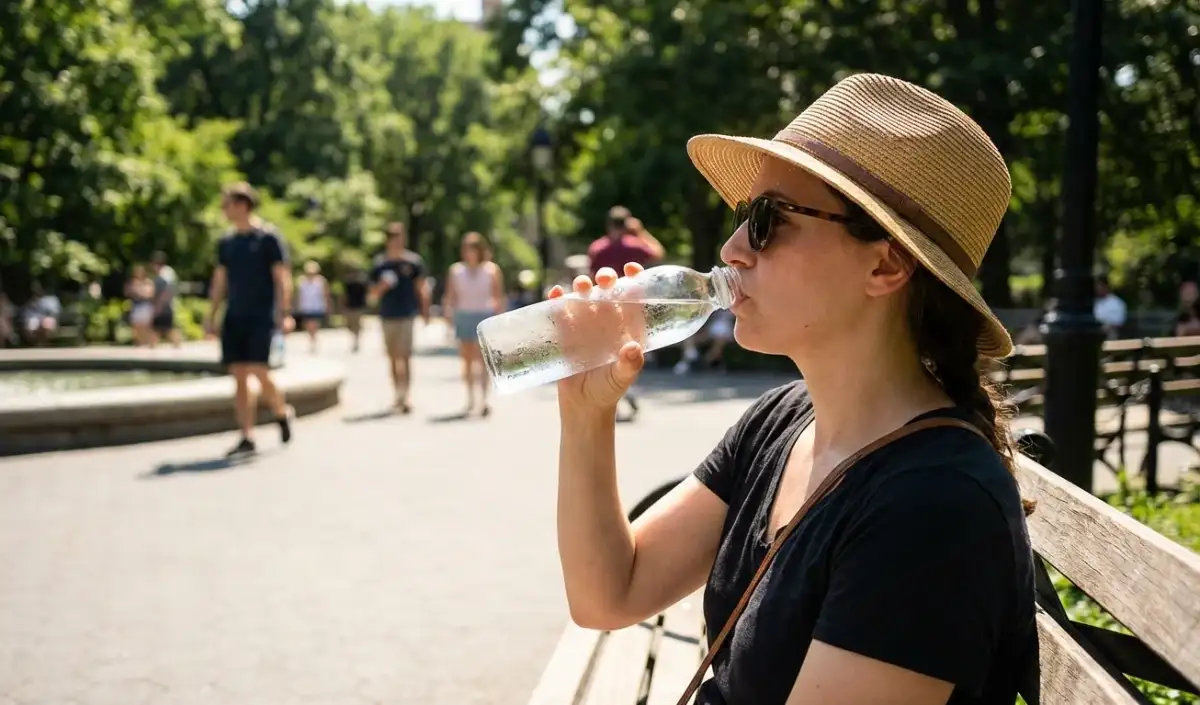

Danger of dehydration in summer
With the increase in temperature in summer, the risk of lack of water in the body, which is called dehydration, increases. If the body does not get enough water, it can affect blood circulation and heartbeats. When there is a lack of fluid in the body, the blood also becomes thick, which can also cause disturbances in hormonal balance. As a result, blood pressure (BP) may suddenly increase. If you suffer from high blood pressure or heart problems, dehydration can become a serious threat to you.
What is dehydration?
Dehydration occurs when the body loses water and electrolytes, such as sodium and potassium. This condition occurs when the person sweats excessively, suffers from vomiting or diarrhea, has a fever, or does not drink enough water. Hot weather, heavy physical activity, and prolonged exposure to sunlight increase the risk of dehydration.
Effect of dehydration on blood pressure
Due to dehydration, the amount of blood in the body decreases, which can cause blood pressure to decrease in some cases.
-After this, the body begins a hormonal response.
Due to dehydration, blood vessels start shrinking, which increases blood pressure.
Who is at greater risk of dehydration?
– high blood pressure patients
– heart patient
– diabetic patients
– old people
– small children
– athlete
– people working outside
Precautions in Summer
– Monitor blood pressure regularly.
– Drink adequate amount of water throughout the day.
– Do not stay in strong sunlight for a long time.
– Take medicines as per doctor’s advice.
– Limit salt and caffeine intake.
– Eat light and balanced food.
– Rest if you feel dizzy, weak or have a fast heartbeat.
– Contact the doctor if necessary.
What to do with symptoms of dehydration?
– If you feel heat stroke or extreme heat, immediately take the person to a cool or shady place and make him lie down comfortably.
– Keep his legs elevated so that blood circulation can be proper.
– Do not give water immediately, but give ORS or salt-sugar solution slowly.
– If body temperature is high, place cold bandages on head and neck.
– If the person becomes unconscious or is not in a condition to drink, take him to the hospital immediately.

Comments are closed.