
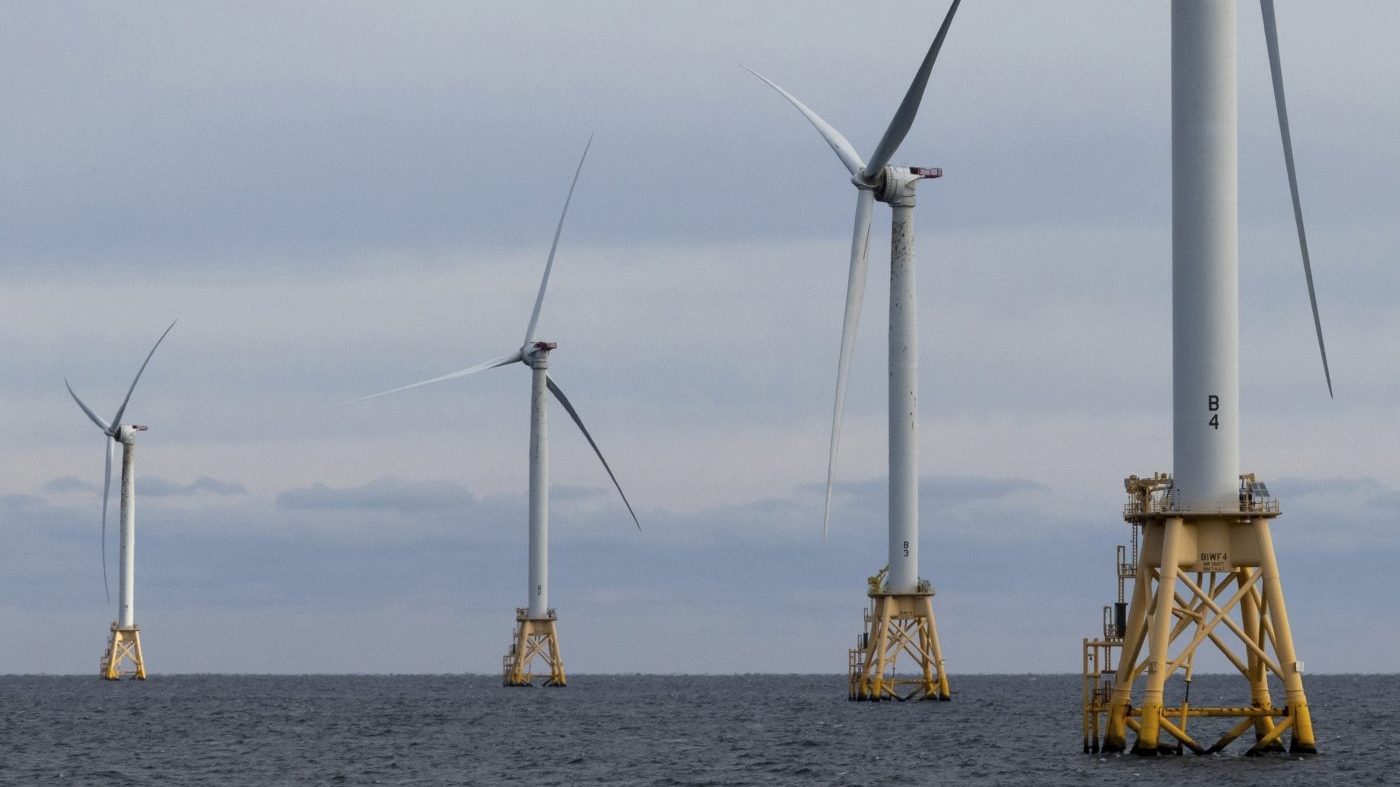

In a notable change in U.S. energy policy, the administration led by Donald Trump has introduced a plan aimed at slowing offshore wind development by compensating companies to walk away from projects they had previously secured. The proposal, announced by the U.S. Department of the Interior, reflects a broader effort to roll back renewable energy initiatives that gained momentum under the previous administration.
At the center of the plan is a proposed financial arrangement involving TotalEnergies, one of the world’s largest energy firms. The U.S. government is expected to return roughly $1 billion to the company. In exchange, TotalEnergies would abandon its offshore wind lease sites in U.S. waters and instead channel investment into domestic fossil fuel projects, particularly in oil and natural gas.
How the Deal Is Structured
The agreement outlines a process in which TotalEnergies would first commit to investing approximately $1 billion in oil and gas infrastructure within the United States. Once those investments are made, the federal government would reimburse the company an equivalent amount as compensation for relinquishing its offshore wind development rights.
The leases involved include two separate offshore sites. One project, located off the coast of the Carolinas, was relatively smaller in scale. The second, known as Attentive Energy, is significantly larger and situated east of New Jersey. That site alone was expected to generate up to 3 gigawatts of electricity, making it a major contributor to future power supply in the region.
Energy experts note that replacing such a large volume of clean energy capacity will not be easy. States in the northeastern U.S., where electricity demand continues to grow, have been relying on offshore wind as a key part of their long-term energy strategies. Losing a project of this size could complicate efforts to meet both demand and climate targets.
As part of the agreement, TotalEnergies has also pledged to step away entirely from offshore wind development in the United States, indicating a broader withdrawal from the sector in this market.
Background: Legal and Policy Hurdles
The administration’s decision to pursue buyouts follows earlier attempts to halt offshore wind projects that were already underway. Those efforts faced legal challenges because companies had secured leases through formal agreements, giving them contractual protections.
Unable to easily cancel these projects outright, policymakers appear to have turned to financial incentives as a workaround. By offering compensation, the government can encourage companies to exit projects voluntarily, avoiding prolonged legal disputes.
However, critics argue that this approach effectively rewards companies for abandoning renewable energy initiatives. They also question the use of public funds to reverse projects that had already been approved and, in some cases, partially developed.
Timing Amid Global Energy Uncertainty
The policy shift comes at a time when global energy markets are experiencing instability. Oil and natural gas prices have been fluctuating due to geopolitical tensions, including the fallout from the US attack on Iran. Even though the United States produces more oil and gas than it consumes, domestic prices are still influenced by global market conditions.
Analysts warn that increasing investment in fossil fuel infrastructure—particularly export-oriented projects like liquefied natural gas (LNG) terminals—could deepen the connection between U.S. energy prices and international markets. This could leave consumers more vulnerable to price swings driven by global events.
Government’s Position on Costs and Energy Reliability
Despite these concerns, officials have presented the plan as a way to stabilize energy costs for households. The Interior Department has suggested that shifting focus toward traditional energy sources could help ensure consistent and affordable power.
Interior Secretary Doug Burgum has emphasized the reliability of oil and natural gas compared to newer renewable technologies. The administration has also criticized offshore wind projects for relying on government incentives, framing them as costly and inefficient.
At the same time, some industry observers point out a contradiction: companies paid substantial sums to acquire offshore wind leases in the first place. Returning those funds now, they argue, raises questions about policy consistency and the long-term stability of government-backed energy programs.
Mixed Reactions From Industry and Environmental Groups
The announcement has drawn divided responses. Supporters of fossil fuel development argue that prioritizing oil and gas strengthens energy security and supports domestic industries. They believe traditional energy sources remain essential for maintaining a stable power supply.
On the other hand, environmental organizations and renewable energy advocates have expressed concern that the move could slow progress toward reducing greenhouse gas emissions. Offshore wind, in particular, has been seen as a critical component of efforts to transition to cleaner energy along the U.S. coastline.
The cancellation of large-scale projects like Attentive Energy could also discourage future investment in the sector. Companies may become more cautious about committing to long-term renewable projects if policy directions appear uncertain or subject to change.

Comments are closed.