
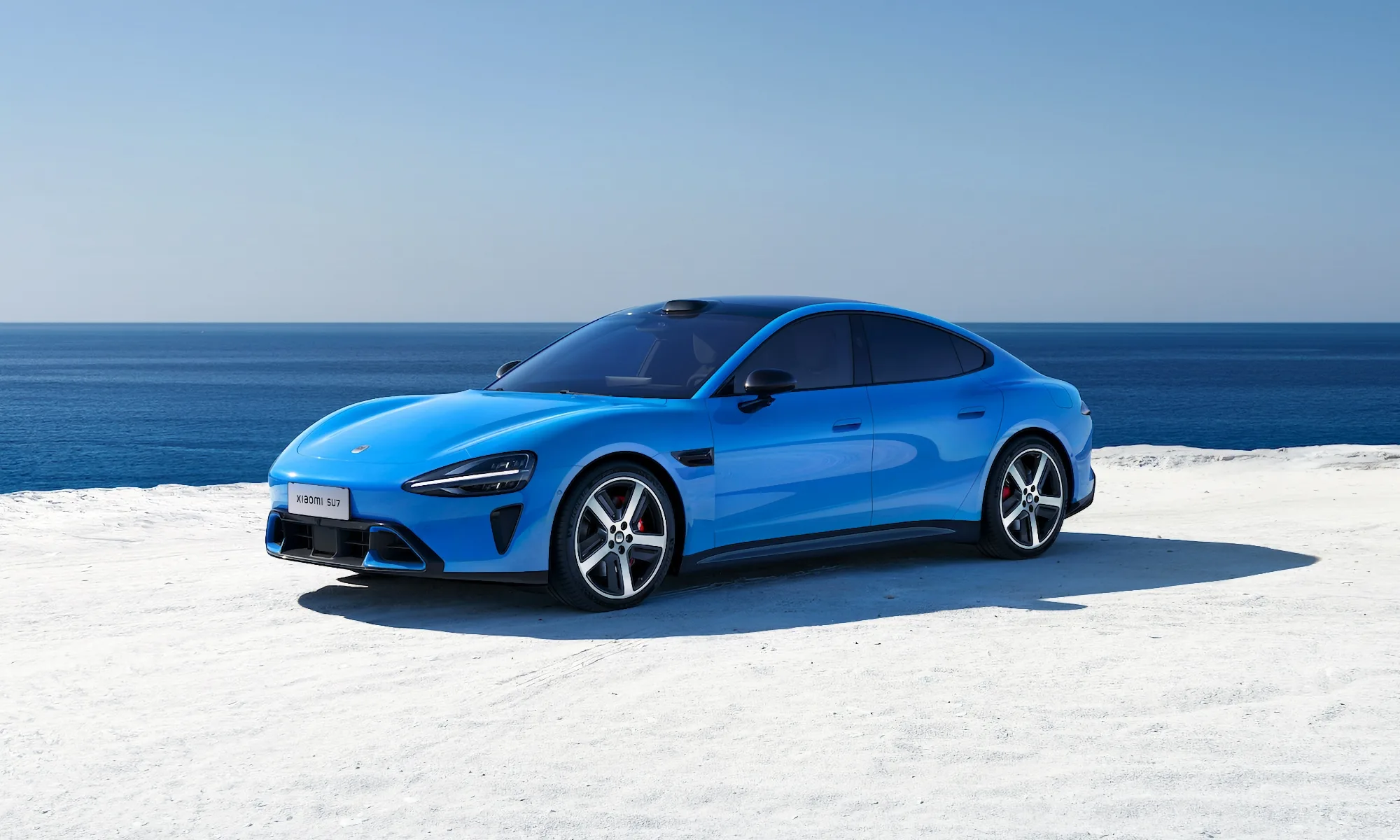

Sooren Moosavy has done what many first-time EV shoppers do. He compared prices, watched reviews, and narrowed his options. But the 28-year-old Baltimore resident hit an unusual roadblock. The electric cars he wants simply are not available in the United States.
Moosavy’s shortlist includes compact electric models from Chinese automakers BYD, Geely, and Zeekr. He likes their smaller footprint, comfortable interiors, and most importantly, their price.
“I would love the opportunity to get one or even test drive one,” he said.
His frustration reflects a growing sentiment among American buyers who are becoming increasingly curious about Chinese electric vehicles.
Price Is Driving Interest
The average price of a new car in the United States is now nearing $50,000. That figure alone is pushing more buyers to consider alternatives. Chinese electric vehicles, already popular in Europe and Latin America, often sell for under $30,000 while offering features typically found in premium cars.
Some models include advanced driver assistance systems, built-in mini refrigerators, and even karaoke functionality.
Clint Simone, senior features editor at Edmunds, recently tested several Chinese EVs at CES and came away impressed.
“The technology they offer for those lower price tags was astounding,” he said.
For many consumers, the appeal is simple. Lower cost, smooth ride, and modern tech.
Political and Trade Barriers Remain
Despite growing consumer interest, Chinese electric cars face steep barriers in the United States. Tariffs exceeding 100 percent have effectively blocked most Chinese automakers from entering the market.
These restrictions stem from concerns around data security, national competitiveness, and protecting domestic jobs. Auto industry groups have also urged policymakers to keep Chinese automakers out, warning that lower-priced imports could disrupt American manufacturers.
Some lawmakers have taken an even stronger stance, openly opposing Chinese vehicle sales in the U.S. market.
However, Chinese officials argue their vehicles are popular globally because of innovation, quality, and competitive pricing.
China’s Global EV Expansion
While the U.S. market remains closed, Chinese automakers are expanding rapidly elsewhere. China recently surpassed Japan as the world’s largest vehicle exporter.
Exports continue to grow across Europe, Mexico, and Latin America. Canada has also taken steps to allow limited imports, agreeing to reduced tariffs on thousands of Chinese EVs annually.
The global expansion is strengthening Chinese brands while increasing curiosity among American consumers.
American Buyers Show Growing Interest
Consumer surveys suggest interest is real, even if concerns remain. Nearly half of U.S. buyers surveyed rated Chinese vehicles as having strong value. Around 40 percent supported allowing Chinese brands into the U.S. market.
Dealers remain cautious. Only 15 percent supported Chinese brand entry, and many questioned whether they would meet U.S. safety standards.
Still, the buzz continues to grow.
Rich Benoit, a YouTube reviewer known for testing Chinese vehicles, says price remains the biggest draw.
“That’s what a lot of people are looking for,” he said. “Efficient, quiet, and low cost.”
He is even considering buying a Chinese EV in Mexico and driving it across the border.
For buyers like Moosavy, the interest is simple. They want affordable electric cars with modern features.
For now, though, Chinese EVs remain just out of reach for American drivers.

Comments are closed.