


That jar of podi in your kitchen, bought after a South Indian breakfast and then forgotten, deserves more attention. Known as gunpowder, idli podi, or milagai podi, podi is a spicy powder mixed with oil and eaten with idli or dosa. But it’s more than that. Made from roasted lentils, sesame seeds, dried chillies, and spices, podi is nutty, smoky, aromatic, and packed with umami, transforming bland meals into something delightful. It’s your go-to for lazy days when cooking feels like a chore, but eating bland food isn’t an option. Podi requires no planning or fresh ingredients; just sprinkle it on anything, and it tastes better. Beyond idli-dosa, podi enhances everyday cooking in surprising ways. Here are six practical uses for that forgotten jar to ensure it doesn’t go rancid.
Also Read: This Beginner-Friendly Sourdough Recipe Is Easier Than You Think
Here Are 6 Podi Masala Recipes You’ll Love
1. Podi Rice (The 10-Minute Lifesaver)
This is the ultimate lazy meal. Not “I’m cutting corners” lazy. More like “I genuinely cannot be bothered to cook but still want something satisfying” lazy.
What You Need:
- 2 cups cooked rice (leftover works perfectly)
- 3-4 tablespoons podi
- 2 tablespoons ghee or sesame oil
- Optional: roasted cashews, curry leaves
Method:
Heat ghee or sesame oil in a pan. If using, add cashews and curry leaves, fry for 30 seconds until cashews turn golden. Add the podi, stir for 10 seconds (it’ll release aroma immediately). Add rice. Mix gently, but thoroughly, so every grain gets coated. The rice will turn reddish-brown from the pod. That’s when you know it’s done.
Why It Works: The oil helps podi coat each rice grain, creating layers of flavour. The nuttiness from roasted dal, the heat from chillies, and the slight bitterness from curry leaves transform plain rice into something genuinely delicious.
Pro Tip: Slightly stale rice works better than fresh—the grains separate easily and don’t clump. If your rice is fresh and sticky, spread it on a plate to cool for 10 minutes before mixing.
2. Podi-Coated Roasted Vegetables
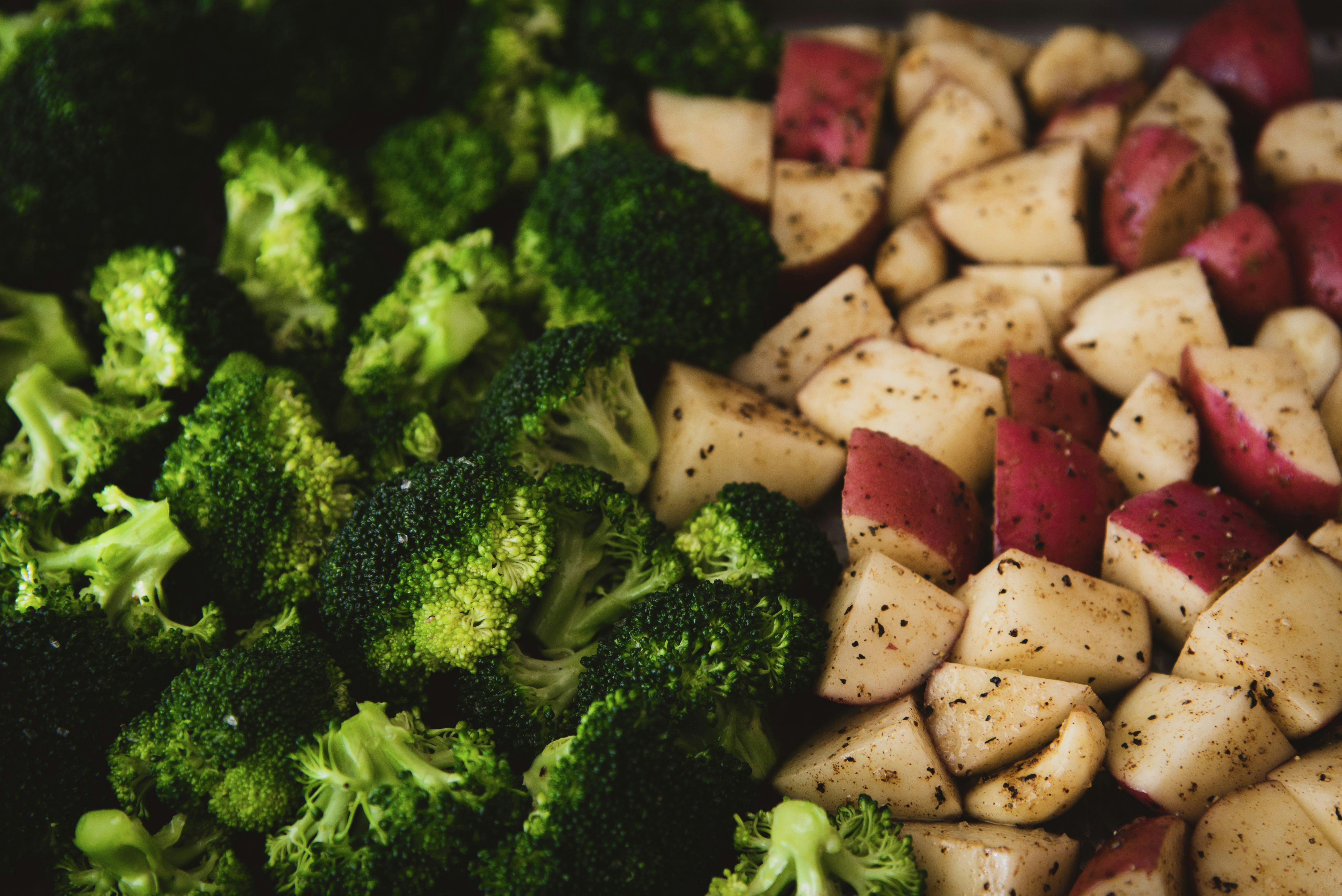
Roasted vegetables are healthy but often bland. Podi fixes that instantly.
What You Need:
- 3-4 cups vegetables (cauliflower, potatoes, carrots, beans; whatever you have)
- 2-3 tablespoons podi
- 2 tablespoons oil
- Salt to taste
Method:
Chop vegetables into bite-sized pieces. Toss with oil, podi, and salt in a bowl until evenly coated. Spread on a baking tray in a single layer. Roast at 200°C for 25-30 minutes, stirring halfway through. The podi will form a slightly crispy coating on the vegetables.
Alternatively, if you don’t have an oven: heat oil in a pan, add vegetables, cook covered on medium heat until tender (stirring occasionally), then sprinkle podi and toss on high heat for 2-3 minutes for that roasted flavour.
Why It Works: Roasting intensifies the podi’s nuttiness. The lentils in podi crisp up, creating texture. The spices penetrate the vegetables.
Best Vegetables for This: Cauliflower (becomes addictive), potatoes (crispy outside, soft inside), beans (surprisingly good), carrots (natural sweetness balances heat).
Also Read: How To Make Creamy And Spicy Thecha Butter At Home
3. Podi Pasta (Yes, Really)
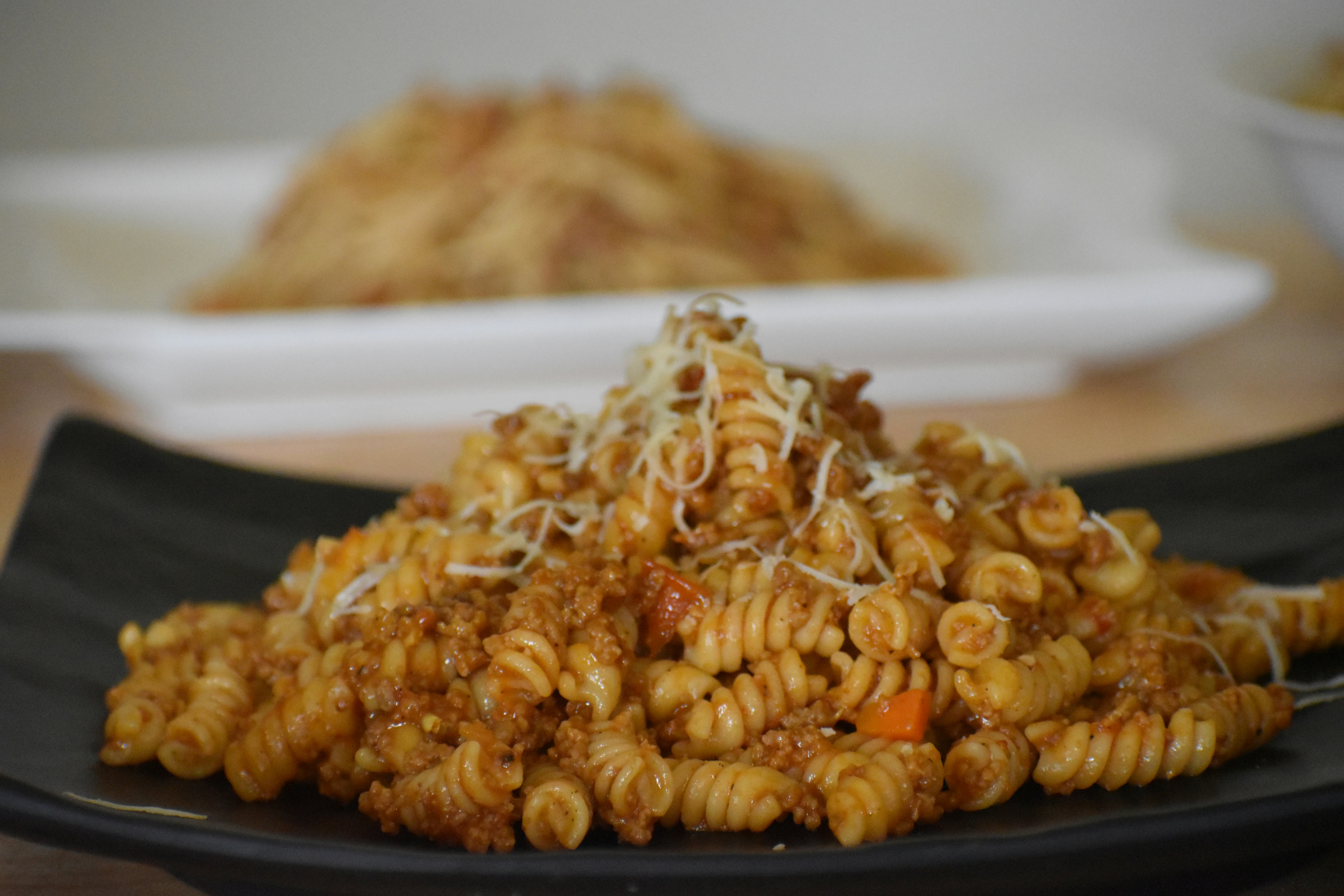
This sounds wrong until you try it. Then it makes perfect sense.
What You Need:
- 200 g pasta (penne, fusilli, or spaghetti)
- 3 tablespoons podi
- 3 tablespoons butter or olive oil
- 2-3 cloves garlic, minced
- ¼ cup pasta water
- Optional: cherry tomatoes, parmesan
Method:
Cook pasta according to package instructions. Reserve ½ cup of pasta water before draining. In the same pot (don’t wash it, you want that starchy residue), melt butter over medium heat. Add garlic, sauté until fragrant (30 seconds). Add podi, stir for 10 seconds. Add drained pasta and ¼ cup reserved pasta water. Toss vigorously; the starchy water helps the podi coat the pasta. If it looks dry, add more pasta water, tablespoon by tablespoon. The pasta should be glossy and coated, not dry.
Why It Works: Podi behaves like bread crumbs in Italian pasta. The roasted dal adds nuttiness similar to toasted pine nuts. The chilli provides heat like red pepper flakes. The curry leaves bring an unexpected aromatic element.
Fusion Done Right: If you want to go further, add halved cherry tomatoes (fresh acidity cuts through richness) or grated parmesan (salty, umami, perfect with podi’s nuttiness).
4. Podi Omelette or Scrambled Eggs
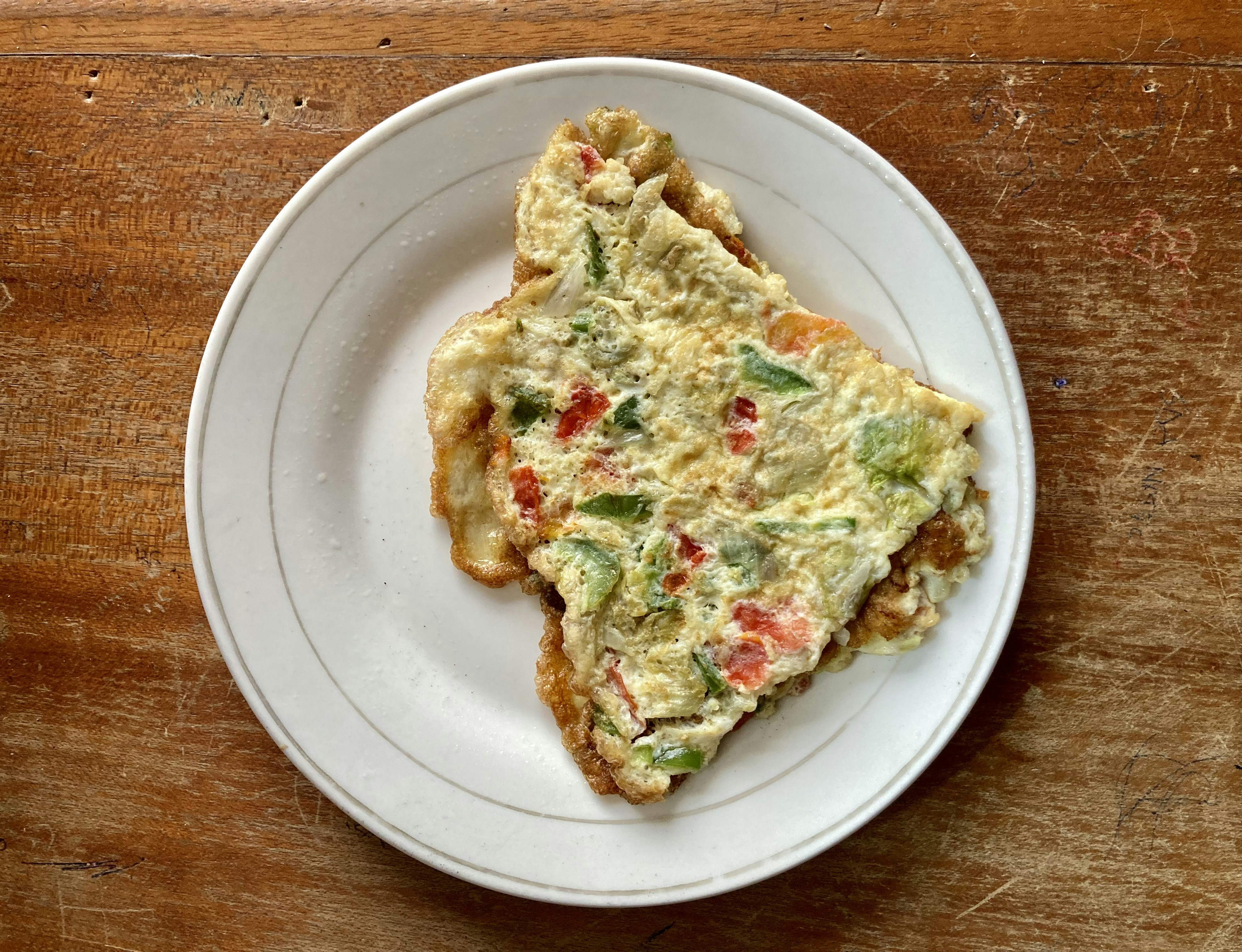
Indians already put everything in omelettes. Podi just makes sense.
What You Need:
- 2-3 eggs
- 1-2 tablespoons podi
- 1 tablespoon butter or oil
- Salt (go light—podi has salt)
- Optional: onions, tomatoes, coriander
For Omelette:
Beat eggs with podi, salt, and any optional additions. Heat butter in a pan. Pour egg mixture. Cook until the bottom sets, flip, and cook the other side. The podi will create speckles throughout.
For Scrambled:
Heat butter. Add beaten eggs. Scramble gently. When almost done but still slightly runny, sprinkle podi. Stir once and remove from heat; Residual cook heats eggs to perfection while podi stays slightly crunchy.
Why It Works: Eggs are mild. Podi is bold. Together, they balance perfectly. The roasted dal adds texture. The chilli adds heat without overwhelming. The sesame adds nuttiness that pairs beautifully with buttery eggs.
Breakfast Upgrade: Serve this with buttered toast, and you have a breakfast that feels special despite taking 5 minutes.
5. Podi-Spiced Yoghurt (Podi Raita)

This is not traditional raita. It’s better.
What You Need:
- 1 cup thick yogurt (hung curd works best)
- 2-3 teaspoons podi
- ½ teaspoon cumin powder (optional—podi already has spices)
- Salt to taste
- 1 tablespoon oil (sesame or regular)
Method:
Whisk yogurt until smooth. In a small pan, heat oil. Add podi, stir for 5-10 seconds (just until aromatic, don’t burn). Pour this oil-podi mixture into yogurt. Mix well. The yogurt will turn slightly orange-brown. Let it sit 10-15 minutes for flavors to meld.
Why It Works: The oil carries podi’s aromatics into the yogurt. The yogurt’s coolness balances the pod’s heat. The tanginess of yoghurt complements the roasted, smoky flavours.
Serve With: Hot biryani (the cooling effect is perfect), paratha, roti, or even as a dip for chips/vegetables. Also excellent as a side with any spicy curry—it tones down the heat while adding its own flavour.
6. Podi-Crusted Paneer or Chicken
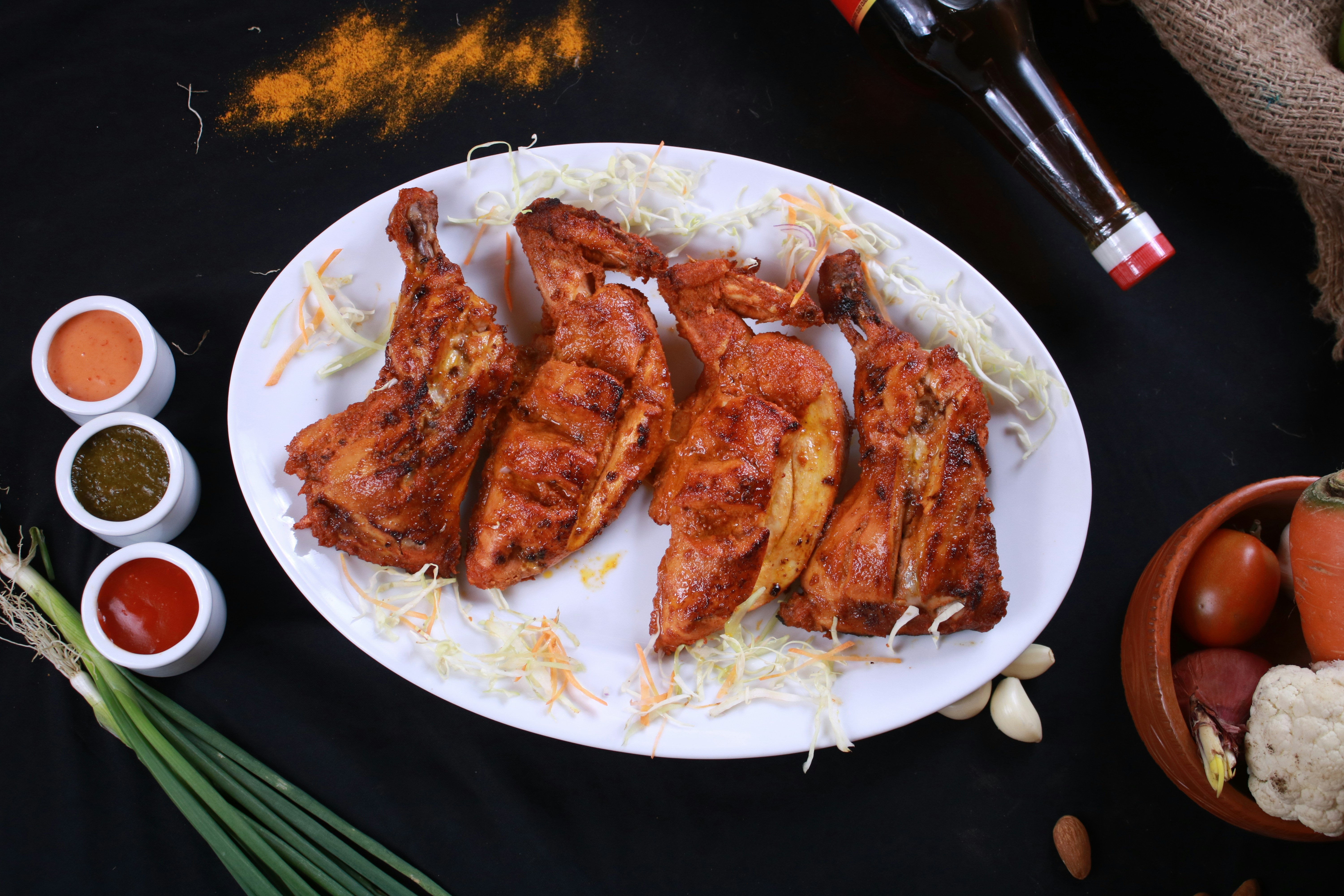
This transforms basic paneer or chicken into something restaurant-worthy.
For Paneer:
What You Need:
- 200g paneer, cut into cubes or fingers
- 3 tablespoons podi
- 2 tablespoons cornflour
- salt
- Oil for shallow frying
Method:
Mix podi, cornflour, and salt in a bowl. Toss paneer pieces until evenly coated. Heat oil in a pan (enough to shallow fry). Fry paneer on medium heat until all sides are golden and crispy (3-4 minutes per side). The podi forms a crunchy crust.
For Chicken:
What You Need:
- 300g boneless chicken (breast or thigh), cut into bite-sized pieces
- 3 tablespoons podi
- 1 tablespoon ginger-garlic paste
- 1 tablespoon lemon juice
- salt
- 2 tablespoons oil
Method:
Marinate chicken with podi, ginger-garlic paste, lemon juice, and salt for 30 minutes (or 2 hours if you have time). Heat oil in a pan. Cook chicken on medium-high heat until cooked through and slightly crispy at the edges (8-10 minutes).
Why It Works: Podi acts as both spice rub and crust. The lentils crisp up beautifully when fried or cooked. The result is protein with serious flavor and texture.
Serving Suggestions: As a starter with mint chutney. In wraps or rolls. Over salads. With fried rice. As a pizza topping (genuinely works).
Also Read: What Is Avocado Hand? The Viral Kitchen Injury That Can Leave A Stab Wound
Making Your Own Podi (If You’re Feeling Ambitious)

Store-bought is fine. But homemade podi tastes better and lasts 2-3 months.
Basic Recipe:
- Add ½ cup chana
- ¼ cup urad dal
- 2 tablespoons sesame seeds
- 8-10 dried red chillies
- 10-12 curry leaves
- ½ teaspoon hing (asafoetida)
- Salt to taste
Method:
Dry roast chana dal on medium heat until golden brown (8-10 minutes). Set aside. Roast urad dal until light brown (5 minutes). Set aside. Roast sesame seeds until they start popping (1-2 minutes). Roast red chillies until they darken slightly. Roast curry leaves until crisp. Cool everything completely. Grind to a coarse powder with salt and hing. Store in an airtight jar.
The keyRoast each ingredient separately. They all have different roasting times. Chana dal takes the longest. Sesame burns quickly. Getting this right makes the difference between good podi and great podi.
Storage and Shelf Life
Podi lasts 2-3 months at room temperature if stored properly in an airtight container away from moisture. Because it contains sesame seeds and roasted dal (both have oils), it can go rancid if not stored correctly.
Signs Your Podi Has Gone Bad:
- Musty or stale smell (should smell nutty and toasted)
- Change in color (shouldn’t darken significantly)
- Clumping (means moisture got in)
Storage Tips:
- Always use a completely dry spoon
- Don’t transfer to the container while the podi is still warm
- Store in glass or steel (not plastic, which absorbs moisture)
- If your kitchen is very humid, refrigerate for a month
Podi’s versatility shines with Indian food and beyond—pasta, eggs, roasted vegetables, and daily meals. No need to plan “I’m making podi rice today.” Just remember it when you’re pondering leftover rice. That jar in your kitchen? Stop saving it for idli-dosa Sundays. Use it daily, as South Indians do, to solve the “how do I make this taste good without cooking?” dilemma. Mix it with rice, toss with vegetables, sprinkle on eggs, stir into yogurt, or coat your protein. Your meals will thank you, and the jar won’t go stale.

Comments are closed.