
Fortis Delhi gastroenterologist scores 5 regular foods based on their effect on gut health: Banana, bread, and more

It is popularly known that our health depends on our regular eating habits rather than what we may occasionally consume. It is therefore necessary to include foods that are beneficial for our gut and overall health in the daily diet. However, not all foods that we regularly consume fit the criteria, shared Dr Shubham Vatsya, gastroenterologist and hepatologist at Fortis Hospital, Vasant Kunj, Delhi.
Taking to Instagram on March 24, he listed 5 foods that are commonly found in regular diets and scored them out of 10, based on how beneficial they are for four health.
“Not everything you eat daily supports your gut,” he wrote in the caption. “Your gut is built daily; choose foods that support it, not stress it.” The list of foods scored by Dr Vatsya is as follows.
1. Diet Coke
Score – 4/10
The term ‘Diet’ in front of Coca-Cola does not transform it into a health drink. It remains a carbonated cold drink loaded with artificial sweeteners, which, according to Dr Vatsya, disturbs the composition of the gut microbiome. Diet Coke also indirectly affects the insulin response, cautioned the gastroenterologist.
2. Banana
Score – 8/10
Banana is an excellent fruit to include in our daily diet. In addition to being inexpensive and easy to consume, bananas are loaded with pectin fibre that supports digestion and soothes acidity. However, one can face gastric issues by overconsumption, and therefore, quantity control matters. As per Dr Vatsya, one ripe medium-sized banana is perfect to be included in the daily diet.
3. Processed cheese slices
Score – 3/10
“I am a fan of unprocessed cheese slices,” shared Dr Vatsya, noting that one of the troubles with processed cheese is that it is an umbrella term that can also include the cheese on a pizza, which is not gut-friendly.
4. Kanji
Score – 10/10
Kanji is a natural fermented drink that is typically prepared and consumed in the northern parts of the country. The fermentation process enhances the bioavailability of nutrients, allowing the body to absorb antioxidants more efficiently.
Different regions prepare kanji using different ingredients. Black carrots are used in Punjab, mustard seeds in Uttar Pradesh, and even beetroot in some regions.
According to Dr Vatsya, kanji is rich in natural probiotics and enzymes that help increase beneficial bacteria, suppress harmful microbes and help reduce inflammatory markers.
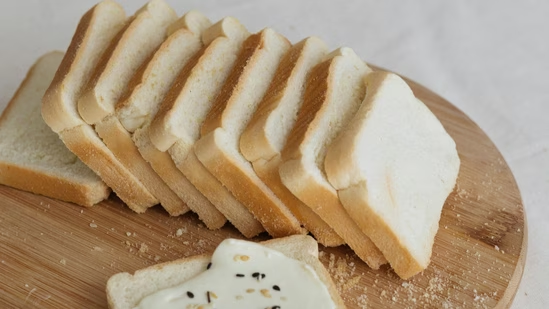
5. White bread
Score – 3/10
White bread is made of refined flour or maida, which does not contain any fibre, highlighted the gastroenterologist. It also has a high glycemic index that causes blood sugar levels to spike after consumption, and inevitably crash soon after.
“It does not provide satiety and increases metabolic risk,” he noted.

Comments are closed.