
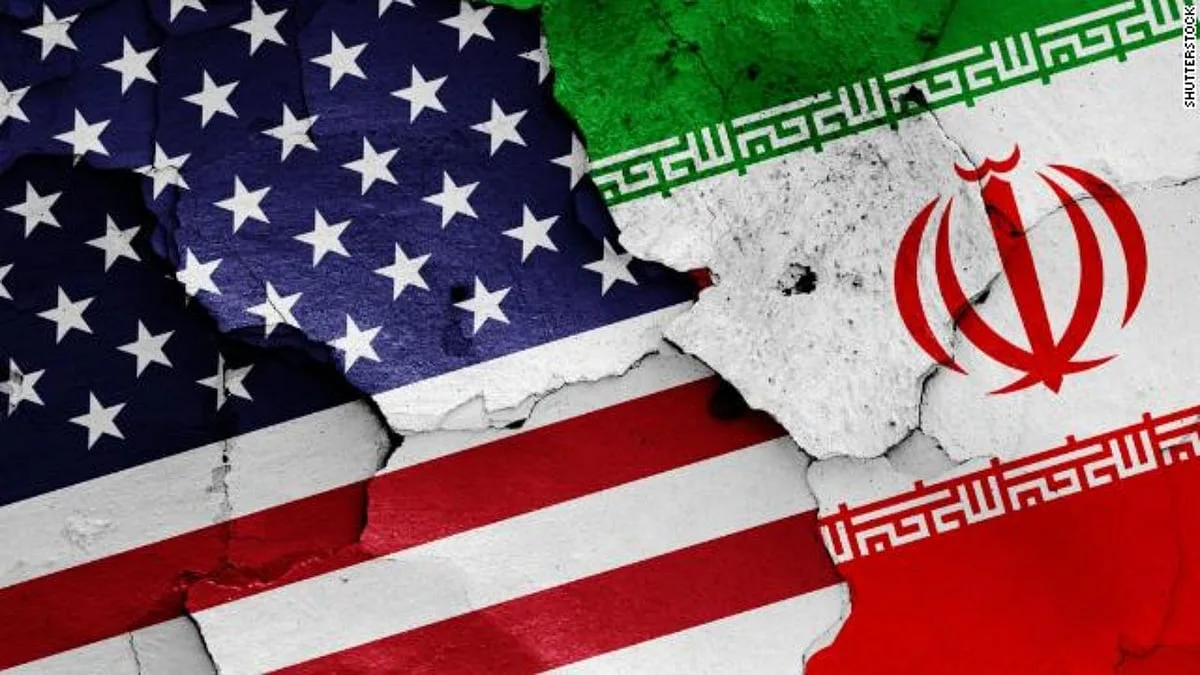

The diplomatic window that global markets spent two days pricing in has narrowed sharply. Iran has formally rejected the United States proposal delivered through Pakistani intermediaries, vowed to continue fighting, and warned that American negotiations represent a third deception designed to buy time for further military action. Simultaneously, air raid sirens are sounding in northern Israel as of March 26, 2026, signalling a fresh wave of incoming threats from the north even as the diplomatic back channel collapses in real time.
Iran Rejects the US Proposal
A senior Iranian official told Reuters that Iran has evaluated the US proposal delivered through Pakistan and that its first reaction is that it does not meet essential criteria for success. The official described the situation as unfair and one-sided, saying the proposal benefits only the United States and Israel and does not address Iran’s fundamental conditions for any agreement.
Iran’s position, as communicated through the senior official, goes beyond simply rejecting the specific terms of the proposal. Tehran has stated that no plans for negotiations or talks are realistic right now, a formulation that closes the immediate diplomatic door rather than leaving it ajar for a revised proposal. The rejection is categorical rather than conditional.
The Third Deception Warning
Iran’s characterisation of the American negotiating approach has escalated with each successive statement. In its initial response to the 15-point proposal earlier this week, Iran described the negotiations as a deception aimed at shaping global opinion, keeping oil prices low, and buying time for potential further military action. Today’s statement goes further, calling the current US approach a third deception, implying that Tehran views the entire sequence of American diplomatic signals since the conflict began as a sustained and deliberate campaign of misdirection rather than genuine peace-seeking.
This framing is significant because it forecloses the most straightforward interpretation of the diplomatic activity of the past 48 hours, which was that both sides were genuinely moving toward a ceasefire framework. Iran is publicly and explicitly rejecting that interpretation and replacing it with an accusation that the United States has been systematically deceiving the international community through the appearance of diplomacy while preparing for continued or expanded military action.
The Germany Factor
German Foreign Minister Johann Wadephul stressed on March 26 the need for a joint stance with the United States on Iran and the importance of resolving the conflict. Germany’s intervention signals that European powers are watching the diplomatic collapse with alarm and are pushing for a coordinated Western response to Iran’s rejection. A joint US-European position on Iran would significantly increase the diplomatic and economic pressure on Tehran, but it also reduces the prospect of the kind of face-saving compromise that Iran has historically required to shift its public position in negotiations.
Germany’s emphasis on joint stance rather than independent European mediation suggests Berlin is choosing alignment with Washington over the role of neutral broker, a positioning that narrows the diplomatic space available for alternative pathways to de-escalation.
Sirens in Northern Israel — A New Front Activating
Air raid sirens are sounding in northern Israel as of the time of writing on March 26, 2026. Northern Israel sirens are categorically different in their implications from the Negev and southern Israel alerts that have characterised much of the past four weeks of conflict. Sirens in the north point toward Hezbollah in Lebanon rather than Iranian ballistic missiles launched from Iranian territory. If the northern alerts are confirmed as Hezbollah rocket or missile fire, it signals that Iran’s proxy forces are activating in coordination with or in response to the diplomatic breakdown, expanding the conflict’s active front at precisely the moment when the ceasefire possibility has collapsed.
The northern front activation, if confirmed, would represent a significant escalation from what has largely been a direct Iran-Israel-US triangle of hostilities. Hezbollah’s arsenal in Lebanon, which is substantially larger and more sophisticated than what was available during the 2006 Lebanon War, includes precision missiles capable of reaching deep into central Israel including Tel Aviv. Any sustained Hezbollah engagement would dramatically increase the complexity and danger of the current conflict.
What Iran’s Rejection Means for the Conflict
Iran’s rejection of the US proposal, combined with its vow to continue fighting and its characterisation of negotiations as a third deception, represents the most significant negative development in the conflict’s diplomatic trajectory since the war began on February 28, 2026. The sequence of diplomatic signals that drove markets higher on Tuesday and Wednesday, including Trump’s five day pause announcement, the reported 15-point proposal, the Islamabad meeting contacts, and the Supreme Leader’s reported agreement to negotiate, have now been met with a comprehensive Iranian rejection that leaves the conflict without an active diplomatic track.
The five day window Trump announced is now in its final hours. Iran has rejected the proposal delivered through that window. Tehran says no negotiations are realistic. And sirens are sounding in northern Israel.
The market implications are immediate and negative. Crude oil, which had fallen on ceasefire optimism, will face renewed upward pressure as the supply disruption premium returns to pricing. Gold and silver, which had recovered sharply on diplomatic hopes, face renewed uncertainty. Indian markets, which were pricing in a relief rally from the Hormuz closure impact, must now reassess the timeline for any resolution.
The war that many hoped was approaching its diplomatic turning point appears, as of March 26, 2026, to be entering a new and potentially more dangerous phase.
Business Upturn will update this article as the situation in northern Israel develops and as any US response to Iran’s rejection is announced.
This is a developing story. All details are sourced from Reuters, senior Iranian official statements, and Israeli alert systems as of March 26, 2026. Business Upturn will continue to update coverage as the situation develops.
Disclaimer: This article is for informational purposes only and does not constitute financial or investment advice.

Comments are closed.