
Five insurgencies, zero solutions: Why does Pakistan repeatedly resort to the military option?

There have been five major insurgencies in Balochistan since Pakistan’s independence, yet none ended with genuine political dialogue. This pattern shows that the government continues to prefer military repression rather than addressing deep-seated grievances.
The first rebellion occurred in 1948, a few weeks after the accession to the throne of the Khan of Kalat, when Prince Abdul Karim rejected the terms and launched a rebellion. It was immediately suppressed. The second occurred in 1958 amid martial law and the One Unit Scheme led by Nawab Nowroz Khan; This also ended in military defeat and arrests. The third phase lasted until the 1960s, due to conflicts over governance and resources, which were suppressed.
The fourth and largest rebellion began in 1973 when Prime Minister Zulfikar Ali Bhutto removed the elected provincial government. About 80,000 soldiers were deployed over four years. The fighting subsided only after the 1977 coup that removed Bhutto and General Zia-ul-Haq’s offer of amnesty — but the real issues were not resolved.
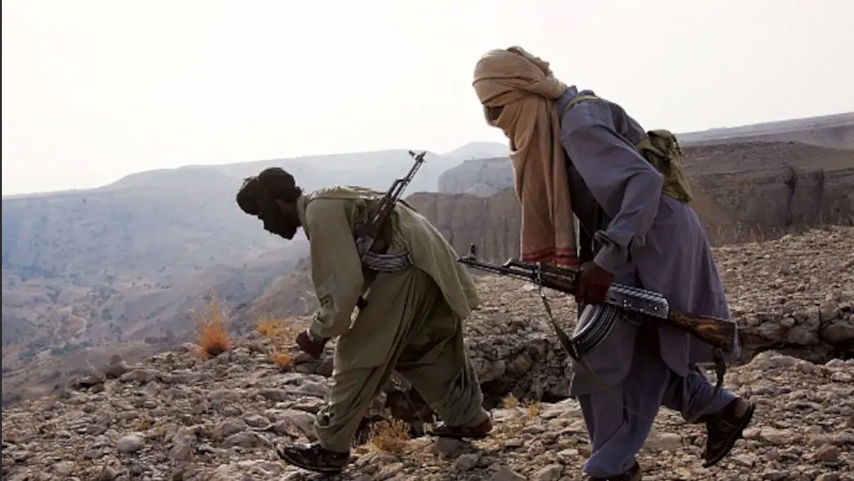
The fifth insurgency, which began around 2003, continues to this day as its longest and most intense. This includes advanced armed groups, large networks and deep resentment among civilians. Recent escalations, including coordinated attacks by the Baloch Liberation Army in early 2026, show its persistence.
The Baloch’s demands have remained the same throughout: greater provincial control over land and natural resources (especially gas and minerals), more fair royalty and revenue-sharing formulas, accountability for alleged abuses by security forces, and a credible disarmament-reintegration process for combatants.
Successive Pakistani governments — civilian and military — have calculated that counter-terrorism operations are manageable, while the domestic political costs of a major political settlement are high. Grievances over resource use, particularly low gas royalties despite Balochistan’s large contribution, fuel persistent alienation.
Comparative cases suggest otherwise. Indonesia’s 2005 Helsinki Accords gave Aceh significant autonomy, local parties and human rights systems after decades of conflict, leading to 20 years of peace. Northern Ireland’s 1998 Good Friday Agreement established power-sharing and resolved grievances through compromise, largely ending the violence.
More than 75 years and five cycles later, military blockades have yielded no solution. The third or fourth generation in Balochistan has grown up amid conflict.

Comments are closed.