

Tehran, March 26. More than 1,500 people have been killed in Iran so far during the conflict that began on February 28 due to air strikes by America and Israel. Along with releasing these figures, the Iranian Health Ministry also claims that the number of deaths could be much higher because the authorities have not yet done a complete count.
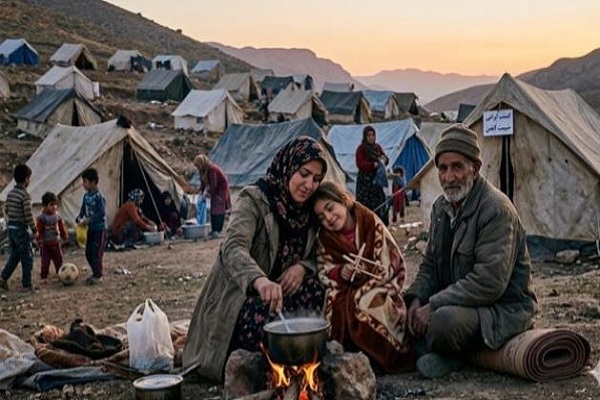
The UN agency estimates that the devastation caused by the conflict has also led to large-scale displacement in the country. According to UNHCR, 3.2 million (32 lakh) people in Iran, more than three percent of the population, have already been displaced since the attacks began on February 28.
27 days into the conflict, aid agencies and countries bordering Iran are bracing themselves for a potential refugee crisis as civilians flee the violence for safety. Türkiye, Turkmenistan, and Azerbaijan reported border closures, limited authorized crossings, and occasional expulsions of third-country nationals.
The number of returns from Iraq remained low and 325 Iranian citizens crossed the border citing the crisis. In Iran, people have been forced to flee their dilapidated homes. Many hospitals, nuclear plants, refineries and desalination plants have been affected.
More than 85,176 civilian sites have been damaged in Iran since the conflict began, including 282 health centers, 600 schools, and 64,583 residences. In Tehran alone, city authorities told local media that about 14,000 residential dwellings were damaged in the capital and at least 6,000 people were housed in municipal hotels.
Iran is not the only country where people are facing the crisis of displacement due to rapidly increasing conflict. The situation in Lebanon is also very worrying. Thousands of people in southern Lebanon are being forced to leave their homes due to the Israeli military campaign.
According to the Norwegian Refugee Council (NRC), the Israeli army issued orders to evacuate several areas in order to carry out its military operation. The area affected by this order covers more than 1,470 square kilometers (568 square miles), which is about 14 percent of Lebanon’s total area.

Comments are closed.