
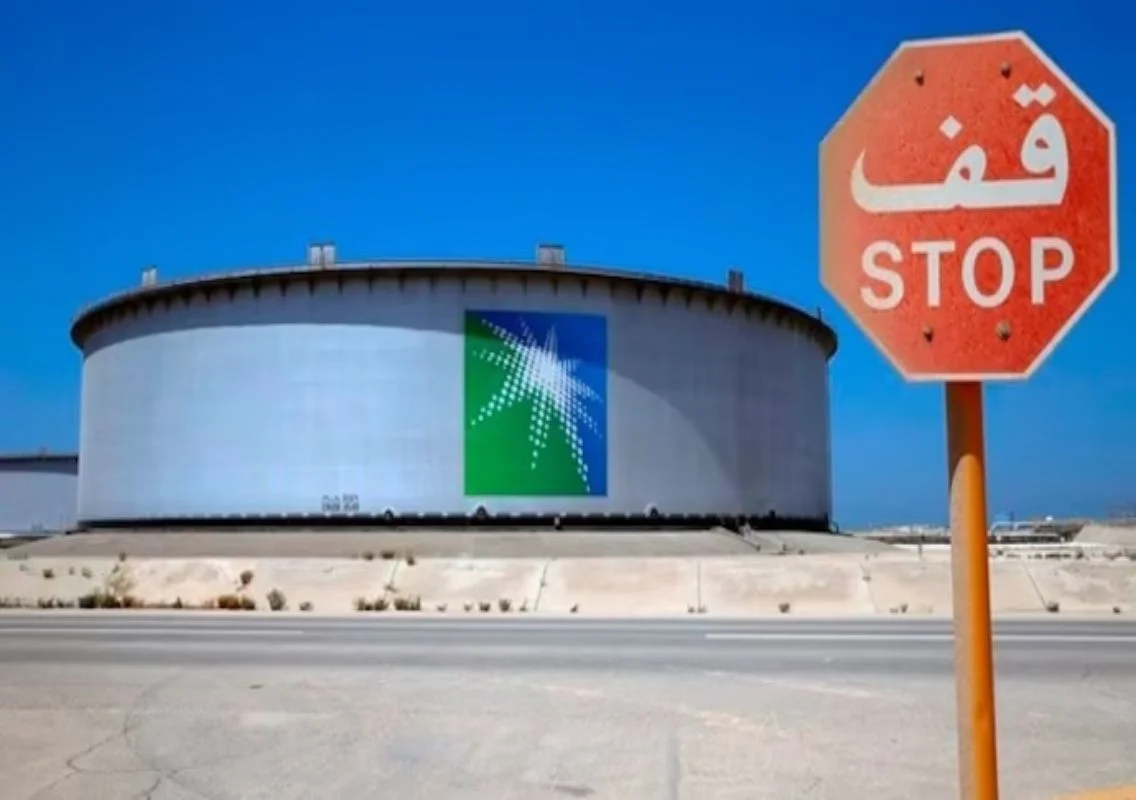

New Delhi: Saudi Arabia’s crude oil shipments to its key Asian buyers — India and China — are expected to decline in April amid ongoing geopolitical tensions in West Asia that have disrupted global supply chains.
According to a report by Bloomberg, state oil giant Saudi Aramco is likely to reduce exports to both countries next month due to logistical challenges caused by the conflict in the region.
Decline in shipments to key Asian markets
Saudi Aramco is projected to ship around 40 million barrels of crude oil to China in April, a noticeable drop from approximately 48 million barrels dispatched in February.
Similarly, exports to India are estimated at around 23 million barrels for April, compared to recent monthly shipments ranging between 25 million and 28 million barrels, based on data from Kpler Ltd and Vortexa Ltd.
The reduction highlights the growing strain on global energy supplies as geopolitical instability continues to impact oil-producing regions.
Strait of Hormuz disruption impacts supply
A major factor behind the decline is disruption in the Strait of Hormuz, a critical passage that connects oil-rich Gulf nations to global markets, particularly in Asia.
The ongoing conflict involving the United States, Israel and Iran has significantly affected the movement of oil tankers through the strait, with reports suggesting near-total disruption in recent weeks.
Attacks on energy infrastructure in the region have further intensified supply risks, contributing to a rise in global crude prices.
Economic implications and rising concerns
Lower oil supply to major importers like India and China could lead to increased energy costs, potentially impacting inflation and economic growth.
BlackRock President Rob Kapito warned that financial markets may not yet fully reflect the risks associated with the ongoing conflict.
He noted that even if the situation stabilises soon, the disruptions could have lasting effects on global economic activity and price stability.
Saudi Aramco reroutes crude supplies
In response to the disruptions, Saudi Aramco has begun rerouting part of its crude shipments through alternative channels. Instead of relying solely on the Persian Gulf route, some oil is now being transported via pipelines across the Arabian Peninsula to the Red Sea port of Yanbu.
However, this workaround has limitations. The Yanbu port has an export capacity of about 5 million barrels per day, which is lower than the 7.2 million barrels per day Saudi Arabia was shipping prior to the conflict.
Additionally, only Arab Light crude is currently being offered through this route, which may not suit all refining requirements in Asian markets.
Europe also affected by supply cuts
The disruption is not limited to Asia. Several European refiners have also experienced reduced supply allocations for April. Reports indicate that at least two refiners have received lower volumes, with one reportedly not receiving any shipment at all for the month.
Earlier, Saudi Arabia had allowed long-term customers to opt for deliveries via Yanbu instead of the Persian Gulf, a contingency measure now being utilised more extensively.
Conclusion
The anticipated drop in Saudi oil shipments to India and China underscores the vulnerability of global energy supply chains to geopolitical conflicts. With the Strait of Hormuz remaining a critical chokepoint, any prolonged disruption could have far-reaching consequences for oil markets and economies worldwide.
As the situation continues to evolve, importing nations may be forced to explore alternative sources and strategies to manage supply risks and stabilise energy costs.

Comments are closed.