
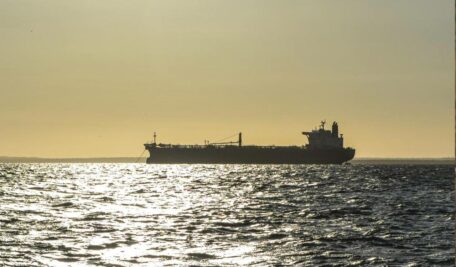

Iran said it will facilitate humanitarian aid shipments through the Strait of Hormuz following a UN request, even as Israel launched strikes on Iranian nuclear-related sites and tensions escalated across West Asia with missile attacks and rising global economic concerns
Published Date – 28 March 2026, 12:40 AM
Representational image
Dubai: An Iranian envoy said Tehran will “facilitate and expedite” humanitarian aid through the Strait of Hormuz.
Ali Bahreini, the Iranian ambassador to the United Nations in Geneva, said Friday that Tehran has accepted a request from the world body to allow the safe passage of humanitarian aid and agriculture shipments through the critical waterway. “This measure reflects Iran’s continued commitment to supporting humanitarian efforts and ensuring that essential aid reaches those in need without delay,” Bahreini said in a post on X.
The statement comes hours after the U.N. announced a task force to address the ripple effects the Iran war has had on the passage of aid.
Iran’s nuclear facilities came under attack Friday, state media reported, just hours after Israel threatened to “escalate and expand” its campaign against Tehran. Israel claimed responsibility for the attacks and Iran quickly threatened to retaliate.
Iran’s Atomic Energy Organization said the Shahid Khondab Heavy Water Complex in Arak and the Ardakan yellowcake production plant in Yazd Province were targeted, IRNA reported. The strikes did not cause any casualties and there was no risk of contamination, it said. The Arak plant has not been operational since Israel attacked it last June.
Yellowcake is a concentrated form of uranium after impurities are removed from the raw ore. Heavy water is used as a moderator in nuclear reactors.
The Israeli military later hailed its attacks on several Iranian targets including “missile production capabilities, infrastructure remaining from its nuclear program, and terror regime targets.” It said raw materials are processed for enrichment at the Yazd plant and that the strike was a major blow to Iran’s nuclear program. The Islamic Revolutionary Guard Corps warned Iran would retaliate for the attacks, IRNA reported. Seyed Majid Moosavi, IRGC’s Aerospace Force commander, posted on X that employees of companies tied to the U.S. and Israel should abandon their workplaces.
“You tested us once before; the world has once again seen that you yourselves started playing with fire and attacking infrastructure,” he said. “This time, the equation will no longer be ‘an eye for an eye,’ just wait.”
US pushes diplomatic solution
Word of the attacks came after U.S. President Donald Trump claimed talks on ending the war were going “very well” and that he had given Tehran more time to open the Strait of Hormuz. Iran maintains it has not engaged in any negotiations.
With stock markets reeling and economic fallout from the war extending far beyond the Middle East, Trump is under growing pressure to end Iran’s chokehold on the strait, a strategic waterway through which a fifth of the world’s oil is usually shipped. A Gulf Arab bloc said Thursday that Iran has been exacting tolls from ships to ensure safe passage.
Israel targets Iran’s weapons production while Iran attacks Gulf Arab neighbours
Air raid sirens sounded in Israel and the military said it has been intercepting Iranian missiles on a daily basis. Defense Minister Israel Katz said Iran “will pay heavy, increasing prices for this war crime.”
“Despite the warnings, the firing continues,” Katz said. “And therefore attacks in Iran will escalate and expand to additional targets and areas that assist the regime in building and operating weapons against Israeli citizens.”
Israel’s military said its attacks Friday targeted sites “in the heart of Tehran” where ballistic missiles and other weapons are produced. It said it also hit missile launchers and storage sites in Western Iran.
Smoke rose over Beirut after a pre-dawn strike, and Lebanon’s Health Ministry later reported two people were killed. Saudi Arabia’s Defence Ministry meanwhile said it shot down missiles and drones targeting the capital, Riyadh. Kuwait said its Shuwaikh Port in Kuwait City and the Mubarak Al Kabeer Port to the north, which is under construction as part of China’s “Belt and Road” initiative, sustained “material damage” in attacks. It appeared to be one of the first times a Chinese-affiliated project in the Gulf Arab states has come under assault in the war. China has continued to purchase Iranian crude.

Comments are closed.