
No-tension of running out of battery! Electric Car that charges itself on the go; Know what is REEV Technology?

- The biggest fear consumers have when it comes to electric cars
- Technology found an ingenious solution to this
- REEV (Range Extended Electric Vehicles) cars are currently a hot topic
Electric Vehicle Reev cars : When it comes to electric cars, the biggest fear that consumers have is ‘Range Anxiety’. What will happen if the car’s battery dies on the road? Often, while driving these vehicles, one thinks how much better it would be if the car itself had a ‘power backup’. One such power backup—known as a “Range Extender” Available in certain electric vehicles (EVs). However, now technology has found a solution to this and REEV (Range Extended Electric Vehicles) cars are currently becoming a topic of discussion. What exactly are these cars and how do they run without worrying about running out of battery?
Central Government’s Masterstroke for Big Factories; Not on fuel, but on ‘this’ now
What exactly are REEVs?
Where a hybrid car runs on a combination of both an internal combustion engine and a battery, a range extender vehicle runs entirely on battery power. You can think of it as a special type of electric car, which has an engine installed solely for the purpose of recharging the battery. This engine does not directly propel the vehicle; Instead, it supplies power to a generator, which then works to charge the battery. Simply put, a REEV or Range Extender Electric Vehicle is basically an electric vehicle. It is fitted with a petrol engine; But, this engine is only used to power the generator installed in the car itself. It is the generator that produces the electricity required to recharge the vehicle’s battery. As a result, this car runs entirely on battery power; When the battery level falls below a certain limit after a certain period of time, the engine automatically starts to recharge it. You can charge this car at home just like a normal electric vehicle (EV).
How does this technology work?
The driving experience of this type of car is very similar to that of a fully electric vehicle. While on the road, whenever the battery needs to be recharged, the car’s engine starts automatically. A range extender eliminates the need to stop at a charging station to charge a car; As a result, there is no need to worry about the car running out of battery.
As this vehicle is equipped with an optional backup system to charge the battery, it is very useful for long distance journeys. Moreover, since this engine runs only for the purpose of charging the battery and that too at an optimum speed, its efficiency is higher. This technology is based on the triad of ‘battery-motor-engine’.
Who is this technology for?
In a country like India, where EV infrastructure is not yet fully developed, this technology can be very effective. The technology has the potential to encourage people who were previously put off buying electric vehicles by concerns about ‘driving range’ (how far a car can travel on a single charge) to switch to electric vehicles. This technology is currently being used in many countries of the world.
In regions like Germany, Europe and China, many vehicles are currently running on the same technology. A good example of this is the ‘BMW i3 REX’, which is fitted with a small 647 cc (cc) engine. This engine helps to increase the driving range of the car by taking it up to 300 kms. China is also making significant progress towards the development of this technology.
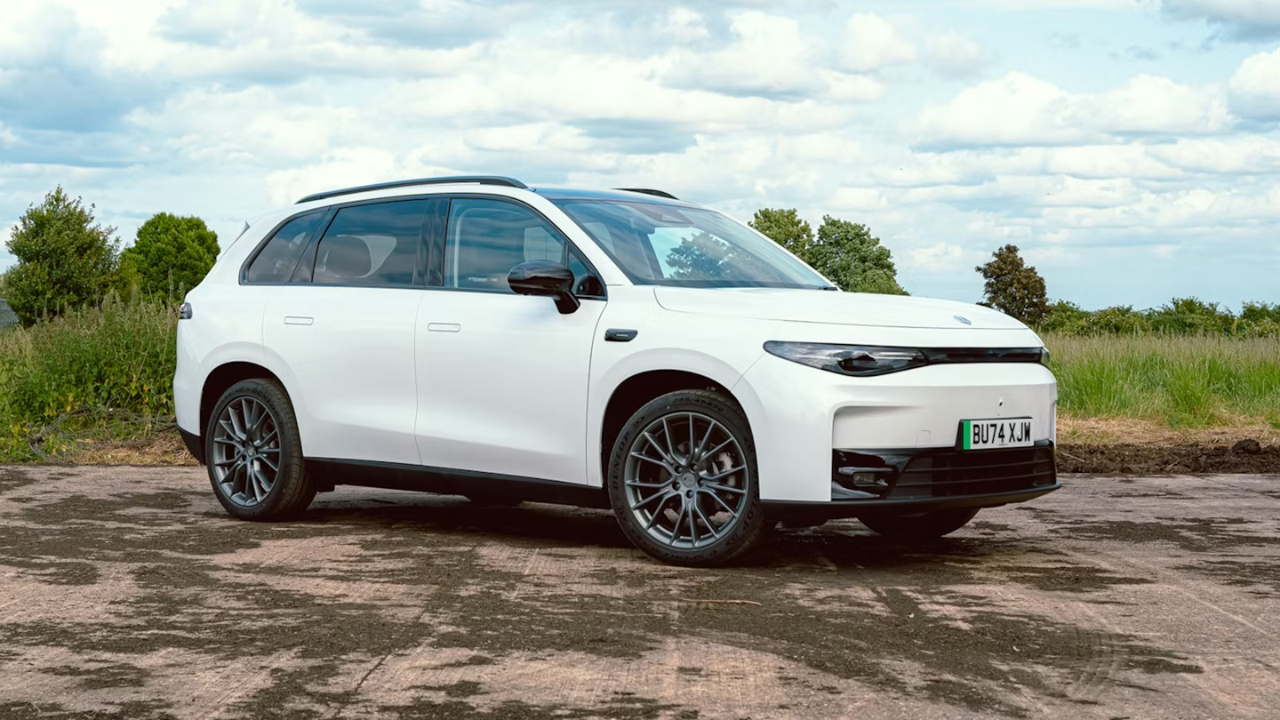
The company ‘Leapmotor’ is also making such a car available, which is likely to enter the Indian market soon. The product list of this company includes the model ‘C10 REEV’; It is powered by a 1.5-litre engine and a 28.4 kWh battery. The company claims that using both the power sources in this car (engine and battery) combined, this car can provide a total driving range of 1,150 km. Currently, the company is owned by the ‘Stellantis Group’.

Comments are closed.