
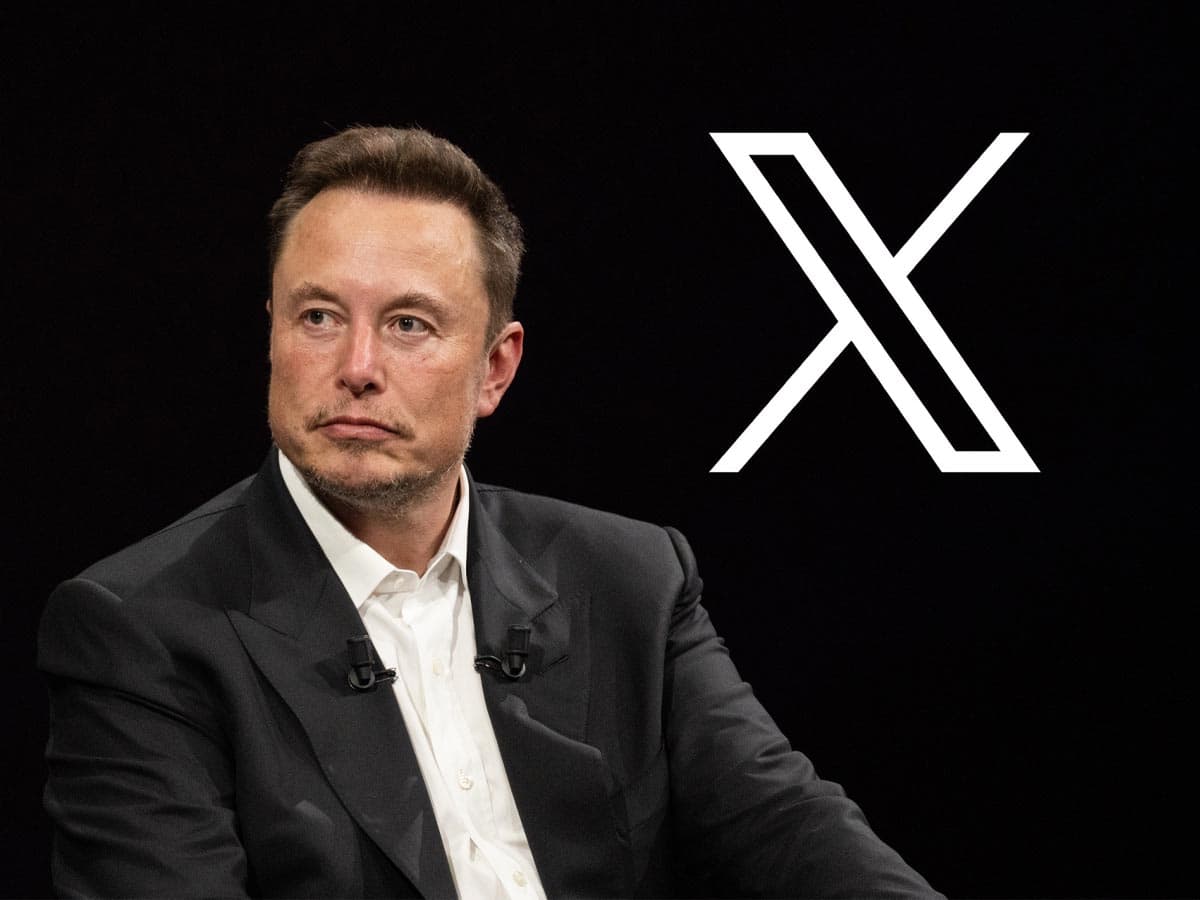

A U.S. federal court has dismissed a lawsuit filed by X (formerly Twitter) against several major advertisers, dealing a blow to the company’s attempt to challenge what it described as a coordinated boycott. The ruling was delivered in a Dallas courtroom by Federal District Judge Jane Boyle, who concluded that the platform failed to establish a valid claim under antitrust law.
The case involved prominent companies such as Mars Inc., CVS Health, and Colgate-Palmolive. X had accused these firms, along with others, of collectively pulling their advertising spending from the platform in a way that allegedly violated U.S. competition laws. However, the court determined that the claims did not meet the legal standards necessary to proceed.
Dispute Rooted in Advertising Pullback
The lawsuit emerged during a turbulent period for X following its acquisition by Elon Musk. After the change in ownership, several large advertisers either paused or significantly reduced their spending on the platform. Many cited concerns about brand safety and the evolving approach to content moderation.
X argued that these actions went beyond routine business decisions. The company claimed that advertisers had effectively coordinated their withdrawal to pressure the platform, creating what it described as an unlawful “group boycott.” According to X, this alleged coordination disrupted fair competition in the digital advertising market and unfairly harmed its business.
The platform further contended that such conduct should be treated as inherently illegal under antitrust rules, meaning it would not need to provide extensive proof of harm. This type of claim, often referred to as a “per se” violation, typically applies to clear-cut cases of collusion.
Court Rejects Claims of Automatic Illegality
Judge Jane Boyle did not accept X’s argument that the advertisers’ actions should automatically be considered illegal. In her decision, she emphasized that even in cases involving allegations of coordinated conduct, plaintiffs must still demonstrate that the behavior caused a specific kind of harm recognized by antitrust law.
The ruling made it clear that simply alleging collusion is not enough. Instead, companies bringing such claims must show that the conduct had a negative impact on competition as a whole—not just on their own financial performance.
This concept, known as “antitrust injury,” is central to U.S. competition law. It requires proof that the alleged behavior damaged the broader competitive landscape, such as by limiting consumer choice or suppressing innovation. The court found that X did not successfully demonstrate this type of harm.
No Proof of Damage to Market Competition
In examining the case, the court concluded that the effects described by X did not indicate harm to the overall market. Rather, they pointed to financial losses experienced by the company itself.
Judge Boyle outlined that if advertisers chose to shift their spending away from X, other platforms could benefit by attracting that business. Alternatively, advertisers might face less competition among themselves when bidding for ad space. In either scenario, the changes did not suggest that competition had been reduced or distorted.
Instead, the situation appeared to reflect a reallocation of advertising activity within the market. Since antitrust law is designed to protect competition broadly rather than individual companies, this distinction proved crucial in the court’s reasoning.
Revenue Loss Alone Not Grounds for Antitrust Action
A key takeaway from the ruling is that a company’s financial losses, on their own, do not constitute an antitrust violation. While X argued that the alleged boycott significantly affected its advertising revenue, the court found that such losses do not automatically translate into illegal conduct.
Businesses, including advertisers, generally have the freedom to decide where to allocate their budgets. Unless those decisions are proven to restrict competition in a broader sense, they remain within legal boundaries.
The court noted that there was no evidence suggesting that the advertisers’ actions reduced consumer choice, created barriers for other firms, or weakened market competition. As a result, the claims did not meet the threshold required for an antitrust case.
Wider Challenges Facing X’s Advertising Business
The legal battle comes at a time when X has been working to stabilize its advertising operations. Since the platform’s ownership change, it has faced ongoing challenges in retaining and attracting major brands.
Concerns around brand safety and content moderation have played a significant role in shaping advertiser behavior. Companies often reassess their marketing strategies to ensure that their ads appear in environments aligned with their values and public image.
Although some advertisers eventually resumed spending on X, the initial withdrawal underscored how sensitive advertising decisions can be to platform policies and public perception. The lawsuit appeared to be part of a broader effort by X to address these pressures and push back against what it viewed as unfair treatment.
What the Ruling Means for Advertisers and Platforms
The dismissal of the case highlights the difficulty of pursuing antitrust claims in situations involving advertising decisions. U.S. courts require clear and compelling evidence that alleged conduct harms the competitive process itself.
For advertisers, the ruling reinforces their ability to independently decide where to place their marketing budgets. As long as those decisions are not part of unlawful coordination that restricts competition, they are unlikely to face legal consequences.
For X, the outcome represents both a legal and strategic setback. The company may need to explore alternative approaches to rebuilding trust with advertisers rather than relying on litigation to resolve disputes.

Comments are closed.