
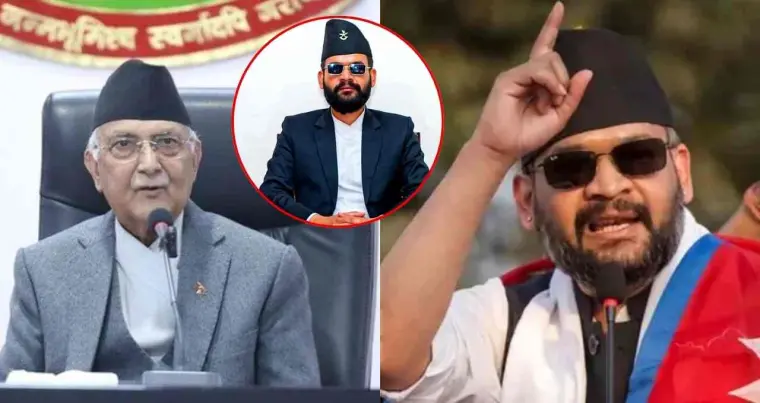

Nepal Police arrested former Prime Minister KP Sharma Oli and Nepali Congress leader and former Home Minister Ramesh Lekhak on Saturday morning. The arrests have been made in cases of culpable homicide and criminal negligence related to the deaths that occurred during the Generation Z protests in September 2025.
Kathmandu: Nepal Police has arrested former Prime Minister KP Sharma Oli and senior Nepali Congress leader and former Home Minister Ramesh Lekhak on Saturday morning. The arrest has been made in cases of culpable homicide and criminal negligence related to the deaths and violence that occurred during the Generation Z protests that spread nationwide in September 2025.
According to the police, this action is being implemented based on the formal complaint given by the Home Ministry and the recommendations of the Special Investigation Commission. There is a possibility that the then Inspector General of Police Chandra Kuber Khapung may also be involved in the arrests.
Special Investigation Commission Report
The Nepal government last year set up a special investigation commission, led by Judge Gauri Bahadur Karki. The commission’s investigation focused on investigating the violence, civilian deaths and formal responsibility of the police in the protests that took place in Kathmandu and other areas during September 2025. The commission’s report clearly states that former Prime Minister Oli, former Home Minister Lekar, and then Inspector General of Police Khapung should be held primarily responsible for the nationwide violence and deaths.
The commission has recommended that a criminal case be filed against them under sections 181 and 182 of the National Penal Code of Nepal on serious charges of criminal negligence and culpable homicide. If found guilty under these sections, a jail sentence of up to 10 years is possible.
September 2025: Generation Z movement and violence
The Generation Z movement, which started in Nepal in September 2025, started gaining wide support among the youth. These protests, which started over alleged restrictions on social media platforms and lack of government transparency, soon took the form of a large-scale nationwide movement. On 8 September, violent clashes broke out between police and protesters in several cities, including Kathmandu. At least 19 persons were confirmed dead in these confrontations in contemporary reports, while the total death toll during the entire movement was put at more than 70.
Protesters accused the government of using excessive force against peaceful protesters, including firing live bullets. These incidents also put the then Oli government in trouble. Amidst increasing pressure and political instability, KP Sharma Oli had to resign from the post of Prime Minister, which immediately increased the political turmoil in Nepal.
Political and social impact of the arrests
The arrest of Oli and the author adds a new chapter to the political situation in Nepal. Both the leaders have been the center of social and political debate for the last several months. Supporters say it is necessary to acknowledge the political role in these cases, while opponents argue that the accused should face a fair judicial process.
Following the recommendations of the Special Investigation Commission, the arrest is being described as an important step towards justice. Additionally, this step also reflects the accountability of the government in matters of law and order and civil security in Nepal.

Comments are closed.