
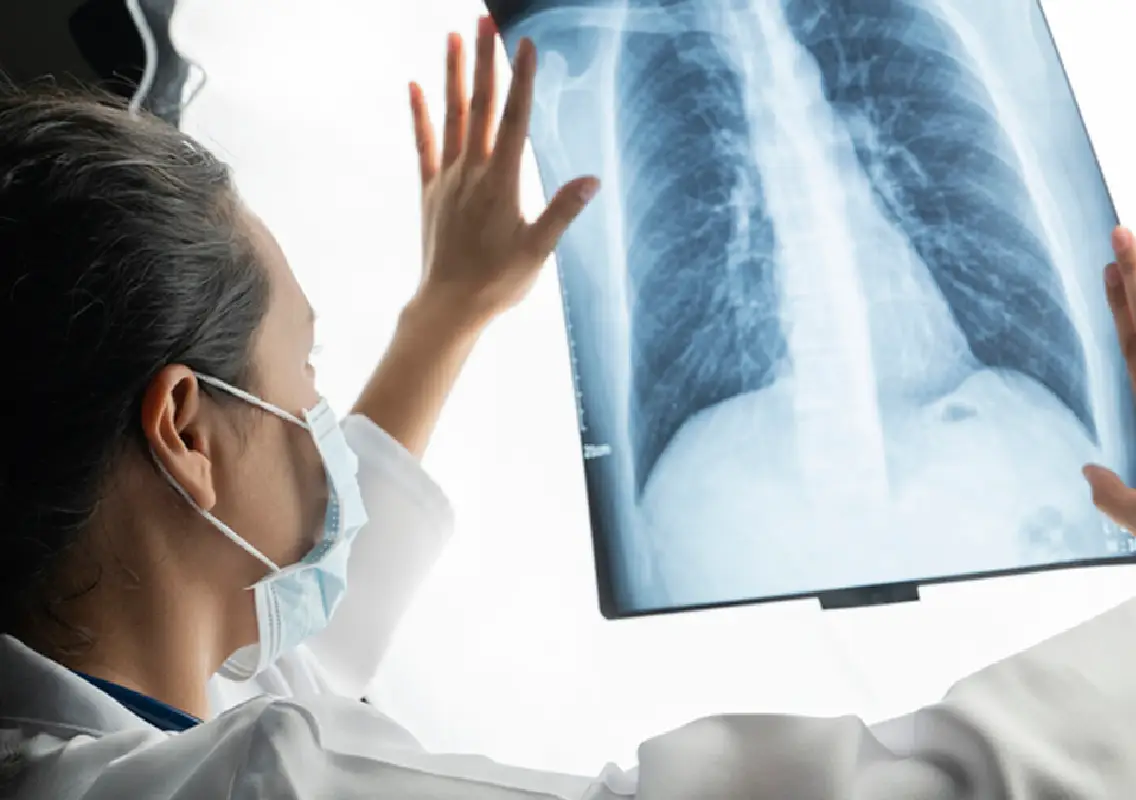

Lung cancer continues to be the leading cause of cancer-related deaths worldwide, according to the World Health Organisation, making early awareness and prevention more important than ever.
Medical experts warn that several everyday habits — often overlooked — can significantly increase the risk over time.
Smoking remains the biggest risk
Dr Vijay Agarwal, medical oncologist at Apollo Hospitals, Bengaluru, emphasised that even occasional smoking can be harmful.
Tobacco smoke contains cancer-causing substances such as benzene and formaldehyde. Even a few cigarettes a day can cause repeated damage to lung cells, increasing the likelihood of cancer over time.
🌫️ Second-hand smoke is equally dangerous
Non-smokers are not immune. Regular exposure to second-hand smoke in homes, cars, or workplaces can expose individuals to the same toxic chemicals as smokers.
Even brief exposure in enclosed spaces can have long-term effects on lung health.
Poor kitchen ventilation adds to risk
Daily cooking in poorly ventilated kitchens can also contribute to lung damage. Smoke from high-temperature cooking, reheated oils, and traditional fuels like wood or coal releases harmful particles.
Homemakers and those using traditional stoves without proper ventilation are particularly vulnerable.
Air pollution is a silent threat
Long-term exposure to polluted air, especially fine particles (PM2.5), can penetrate deep into the lungs and cause chronic inflammation.
Common sources include vehicle emissions, construction dust, and industrial pollution — all of which are increasingly prevalent in urban environments like Bengaluru.
Workplace exposure matters
Certain professions, including construction, mining, and manufacturing, expose workers to harmful substances such as silica, asbestos, and diesel fumes.
Without adequate protective measures, prolonged exposure can significantly increase lung cancer risk.
Prevention is key
Doctors stress that reducing risk is possible through simple but effective measures. Avoiding smoking, improving kitchen ventilation, using cleaner fuels, and wearing protective masks in polluted or high-risk environments can make a significant difference.
Early screening and awareness remain crucial, as lung cancer is often detected late, limiting treatment options.
Disclaimer: This article is for informational purposes only and not a substitute for professional medical advice. Always consult a qualified healthcare provider for guidance.
#LungCancerAwareness #HealthTips #AirPollution #SmokingRisks #PreventiveHealth #newskarnataka

Comments are closed.