
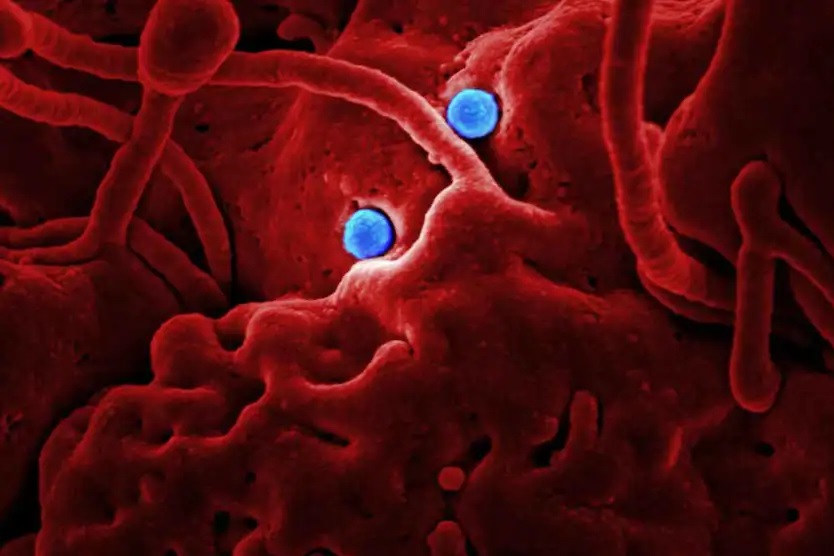
A new variant of Corona has arrived with 75 mutations, how much need to be afraid of it?

New Delhi: It seemed as if the coronavirus pandemic was slowly abating everywhere. People were venturing outside without fear. Masks had stopped being worn, and hospitals weren’t as crowded as before. But now, news of a new COVID variant is once again making people reconsider.
According to reports, this new variant has approximately 70 to 75 mutations in the spike protein. This is the part through which the virus enters our body’s cells. Scientists say that this variant can deceive our immunity to some extent, and its spike protein helps the virus enter our body. So, let’s understand what this new variant of coronavirus with 75 mutations is and how much we need to fear it.
This new COVID-19 variant was first detected in South Africa in November 2024. It has a significant number of mutations, making it different from earlier variants (such as Omicron). It can evade the body’s immunity to some extent. This means that even if you have been vaccinated or have had COVID-19 before, you could still become infected again. Now that the virus has changed slightly, the body may not recognize it immediately, which can increase the risk of infection.
How much should we fear this new variant?
Over the past few years, many people have developed hybrid immunity. According to experts, the combined effects of vaccines and previous infections provide some protection. Furthermore, treatment methods are now better than before, hospitals are more prepared, and testing and drugs are readily available. Therefore, if cases increase, the impact is less likely to be as severe as before. Most people experience mild or moderate symptoms, including fever, cough, fatigue, body aches, and mild weakness. Most people can recover without hospitalization, resting at home and receiving standard treatment.
Who should be more cautious?
The risk isn’t the same for everyone. Some people still need to be extra cautious. These include the elderly, those with pre-existing conditions (such as diabetes or heart disease), pregnant women, and those with weakened immunity. Infection can become serious in these individuals. Experts believe that COVID-19 has now become endemic, meaning it won’t be completely eradicated but will continue to recur like the flu. Cases will sometimes increase, and sometimes decrease.
What precautions should be taken?
Vaccines and other precautions remain the most important protection against COVID-19. Getting a booster dose keeps the body’s immunity strong and reduces the risk of serious illness. Furthermore, if someone develops symptoms, getting tested immediately helps identify the infection early and prevent its spread. Exercise caution in crowded places. Wear a mask.

Comments are closed.