
‘Haram’ stamp on nuclear bomb, Khamenei camp’s big message amid Middle East tension; Understand the meaning from FAQ

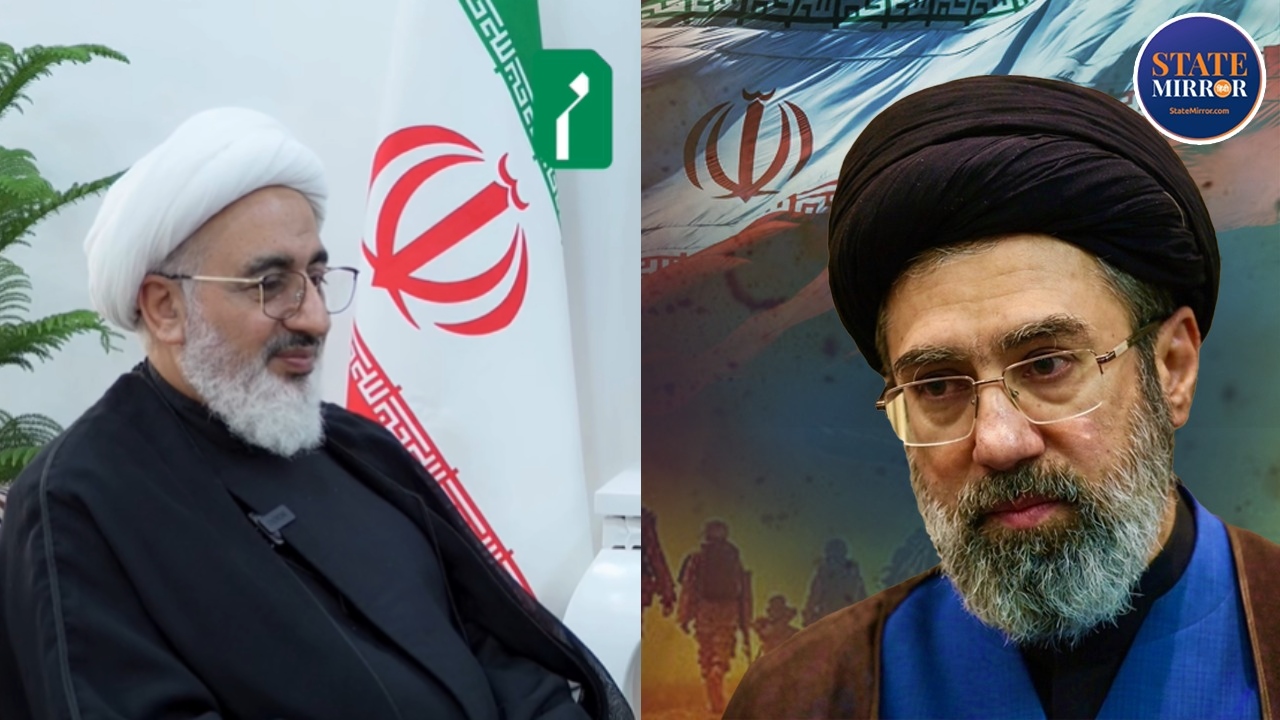
middle east Amidst the increasing tension and war-like situation, the statement from Iran on the 28th day of the war has sparked a new debate in world politics. In an interview with TOI, Abdul Majeed Hakim Elahi, the representative of Iran’s supreme leader Mojtaba Khamenei in India, has clearly said that there is no place for nuclear weapons in the policy of the Iranian government. He claimed that according to the ‘fatwa’ issued by the supreme leader, nuclear bombs are ‘haram’. That means destructive weapons are religiously banned in Islam.
This statement of Abdul Majeed Hakim Ilahi has come at a time when the tension between Iran and Israel in the Middle East is at its peak and the discussion about Donald Trump’s aggressive policies is also intense. In such a situation, the question arises whether this is just a statement or Iran’s strategic line? Let us know the political meaning of his statement from 10 big FAQs.
1. Question: What does ‘nuclear bomb Haram’ mean?
Answer: Abdul Majeed Hakim Elahi, the representative of Iran’s supreme leader Mojtaba Khamenei in India, said that it means that according to Islamic principles, making, possessing or using nuclear weapons is religiously wrong (forbidden). Iran claims that its supreme leader has issued a fatwa on this, which is Iran’s stand on this issue.
2. Question: Is Iran really not making nuclear weapons?
Answer: Iran officially says that it is not making nuclear weapons nor does it want to make them. Its nuclear program is for peaceful uses (such as energy). However, western countries have been continuously raising doubts on this.
3. Question: If it is ‘haram’ then why is the world afraid?
Answer: According to Abdul Majeed Hakim Ilahi, in geo-politics not only statements but also capability matters. Iran has the capability of nuclear technology and uranium enrichment. That means if he wants, he can make weapons. This doubt is the root of tension.
4. Question: Is this statement strategic?
Answer: Experts believe that the “haram” narrative can also be a diplomatic shield. So that international pressure can be reduced, while technology development continues.
5. Question: What is the role of Mojtaba Khamenei in this?
Answer: According to Ilahi, Mojtaba Khamenei, who is currently considered to be at the center of power, is taking this line forward. He is being presented as a strict but simple and ideologically strong leader.
6. Question: What is the meaning of this statement in the context of Middle East war?
Answer: This is an attempt to convey the message that Iran does not want “nuclear escalation”. That means he is not in favor of taking the war to the nuclear level. At least officially.
7. Question: Does Iran want to end the war?
Answer: According to Abdul Majeed Hakim Ilahi, Iran is ready to end the war immediately, but it depends on the countries that started the conflict. He alleges that some forces want to prolong the war to sell arms and increase oil prices.
8. Question: What role can India play in this?
Answer: Iran believes that India can play an important role in resolving this crisis. The talks between Narendra Modi and the Iranian leadership have been described as positive.
9. Question: Is Pakistan mediating?
Answer: Ilahi rejected this claim outright. According to him, there is no discussion on this subject with Pakistan and it is just a rumour.
10. Question: What will be the global impact of the statement ‘Haram’?
Answer: This statement can have two types of impact at the international level. On the one hand, this is an attempt to strengthen Iran’s “peaceful image”. On the other hand, the suspicion of Western countries will not go away because they consider activities on the ground to be more important.
In fact, the statement ‘Atomic bomb is forbidden’ has not only religious but deep political and strategic significance. This is a message from Iran amid the ongoing tension in the Middle East. To reassure the world, and also to legitimize our stance. But the real question remains: will the world believe Iran’s claims, or will the politics of suspicion continue?

Comments are closed.