

354
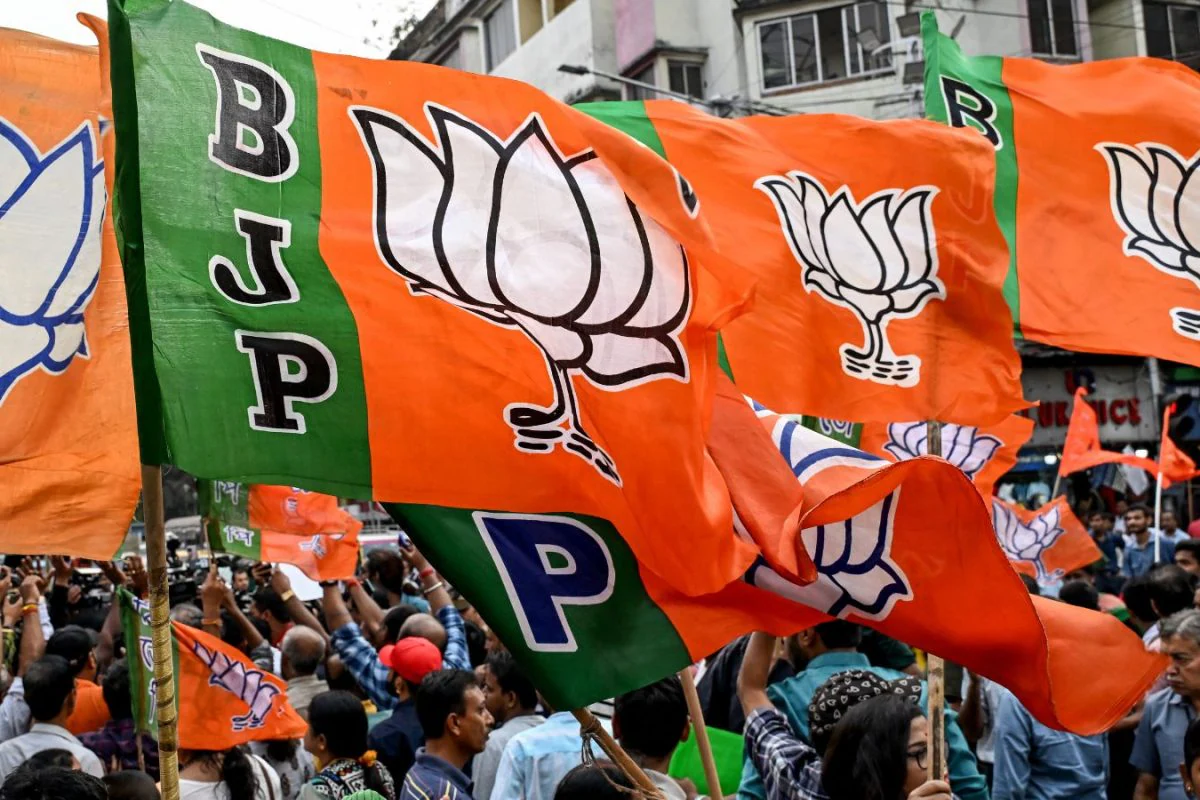
NEW DELHI: The Bharatiya Janata Party (BJP) is stepping up efforts to broaden its presence in Tamil Nadu in the upcoming Assembly elections, seeking to evolve from a fringe player into a potential “kingmaker” in a state historically dominated by Dravidian parties.
As part of the AIADMK-led National Democratic Alliance (NDA), the BJP has been allotted 27 seats this time, compared to the 20 constituencies it contested in the 2021 Assembly elections. This increase is widely viewed as an indication of the party’s enhanced negotiating strength and growing acceptance within the alliance.
In the previous Assembly elections, the BJP secured four wins out of 20 seats. With a larger electoral footprint this time, party leaders are hopeful of boosting their seat count and playing a more influential role in post-election scenarios.
One of the key factors driving the party’s optimism is its improved vote share. From 2.62% in the 2021 Assembly polls, the BJP’s vote share climbed to around 11% in the most recent Lok Sabha elections—an unexpected rise that drew attention from political observers. For the 2026 polls, the party is concentrating on regions where its support base appears to be strengthening, a trend closely linked to the leadership of former state president K. Annamalai.
Regionally, the BJP is relying on its relative strength in Kongu Nadu (western Tamil Nadu) and parts of southern Tamil Nadu. Districts like Coimbatore and Erode are seen as strongholds, while areas such as Kanyakumari and Nagercoil are emerging as promising constituencies due to evolving religious and cultural factors.
The party is also focusing on younger voters, particularly those aged 18-30, who account for roughly 1.12 crore of the electorate. In urban centres like Chennai and Madurai, sections of Gen-Z voters are increasingly showing interest in national parties, largely driven by aspirations related to development and employment opportunities.
At the same time, the BJP is attempting to attract voters disillusioned with Dravidian politics. However, the political entry of actor Vijay is expected to complicate this effort by potentially dividing the anti-Dravidian vote. Despite this challenge, BJP leaders remain confident of capturing a substantial portion of this segment.
The NDA’s broader alliance strategy is also expected to influence the electoral outcome. With the PMK contesting 18 seats and the AMMK 11, the coalition is aiming to consolidate support among backward caste communities and expand its voter base across regions.
The BJP’s objectives in this election extend beyond marginal gains. Party leaders have made it clear that their aim is not just to win a few seats, but to emerge as a decisive player in government formation. Securing 10-15 seats would represent a significant political shift in Tamil Nadu and signal the party’s growing relevance in the state.
Political analysts believe that the April 23 election is a crucial test of the BJP’s future in Tamil Nadu. As observers point out, the results will indicate whether the party has truly begun to establish deeper roots in the state’s political landscape.

Comments are closed.