
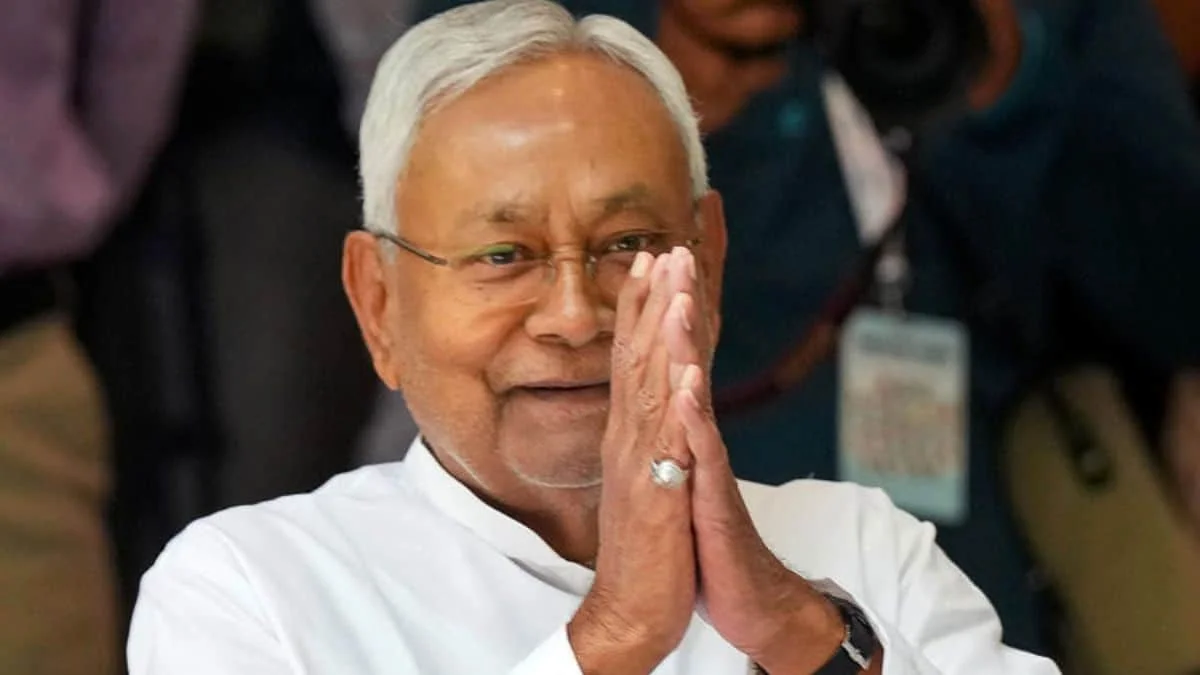

Bihar Chief Minister Nitish Kumar has resigned from his position as a Member of the Legislative Council following his election as a Member of the Rajya Sabha. The resignation is a constitutional formality required under Indian law, which prohibits a sitting legislator from holding membership of two houses of the legislature simultaneously.
Nitish Kumar, who leads the Janata Dal United and has been Bihar’s Chief Minister for most of the period since 2005, was elected to the Rajya Sabha, the upper house of the Indian Parliament, necessitating his exit from the Bihar Legislative Council where he had been a member. Under the provisions of the Representation of the People Act, a person elected to one house of a legislature is required to vacate their seat in any other house within a specified period, making the MLC resignation a mandatory procedural step following the Rajya Sabha election.
The development does not affect Nitish Kumar’s position as Bihar Chief Minister. The Chief Ministership is not contingent on membership of a specific legislative house, and a Chief Minister can continue in office as long as they are a member of either house of the state legislature or secure such membership within six months of assuming office. Nitish Kumar’s entry into the Rajya Sabha actually strengthens his political position by giving him a seat in the national Parliament while he continues to lead the Bihar government, allowing him to participate in both state governance and national legislative business simultaneously.
The move is consistent with the broader political trajectory of JDU and its role within the NDA coalition at the national level, with Nitish Kumar’s presence in the Rajya Sabha reinforcing the party’s national footprint alongside its dominant position in Bihar state politics.
This article is based on official reports from Patna on March 30, 2026.

Comments are closed.