
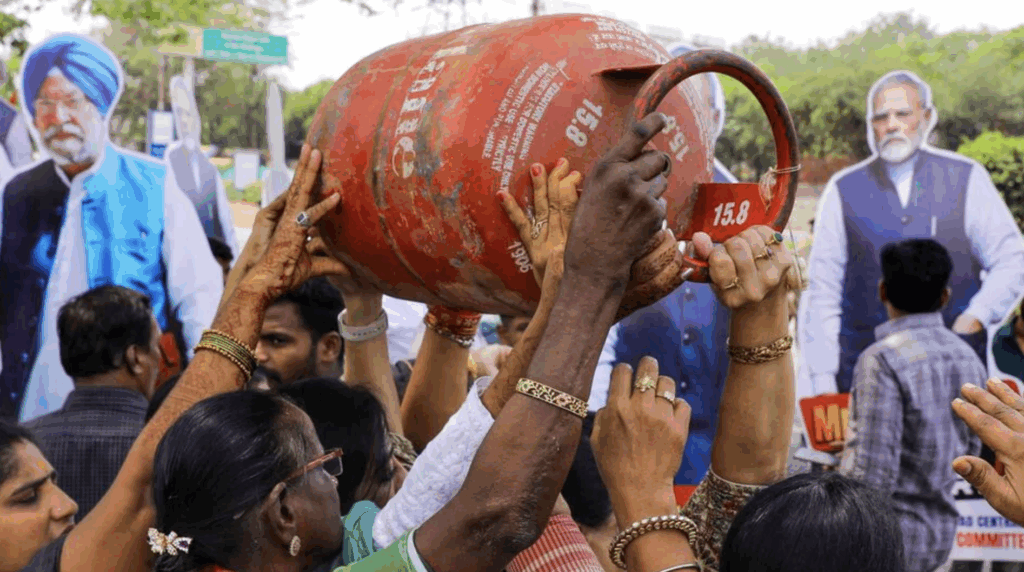

Recent reports about LPG cylinders being phased out have caused widespread confusion, with many assuming this is a nationwide move. However, the reality is far more specific. The current plan applies only to parts of Maharashtraparticularly urban areas like Mumbai where piped natural gas (PNG) infrastructure is already available.
Only Maharashtra, Not a Nationwide Rule
The proposed change is being implemented at the state level, not across India. It primarily targets cities within Maharashtra that already have a functioning PNG network. While the broader policy direction of encouraging a shift from LPG to PNG exists at the national level, there is no confirmed rollout in cities like Delhi or Bengaluru at this stage. This distinction is important, as headlines have created the impression of a pan-India policy, which is not accurate.
Mandatory Shift to PNG Where Available
Under the new plan, households that already have access to piped gas will be required to transition from LPG cylinders. Once notified, consumers may be given a three-month window to switch to PNG. If they fail to do so, their LPG supply could be discontinued. This has led to concerns about a sudden phase-out, but in reality, the rule applies only to areas where PNG infrastructure is already in place.
Why the Government Is Pushing This Move
The decision is largely driven by energy security concerns. India imports a significant portion of its LPG, making it vulnerable to global supply disruptions—especially amid ongoing geopolitical tensions in West Asia. PNG, on the other hand, is supplied through pipelines and offers a more stable and continuous source of fuel. By encouraging a shift to PNG, the government aims to reduce dependence on imports and ensure consistent availability of cooking fuel.
Better Resource Allocation for Rural India
Another key objective is redistribution. By moving urban households to PNG, LPG cylinders can be redirected to rural and semi-urban areas where pipeline infrastructure is not available. This ensures that limited LPG supplies are used more efficiently and reach populations that depend on them the most. In this sense, the move is not about eliminating LPG, but about prioritizing its use where alternatives do not exist.
What It Means for Consumers
For residents in affected areas, this means preparing for a gradual transition rather than an abrupt disruption. PNG offers several advantages, including continuous supply, no need for cylinder bookings, and improved convenience. However, households may need to bear initial installation costs and adjust to a new system. Those outside PNG coverage areas will see no change in LPG availability.
A Long-Term Shift in Urban Energy Use
This move reflects a broader transformation in India’s energy strategy. Urban kitchens are gradually shifting from cylinder-based LPG to pipeline-based gas systemswhich are more efficient and less dependent on global supply chains. While currently limited to Maharashtra, similar policies could expand to other states over time.

Comments are closed.