
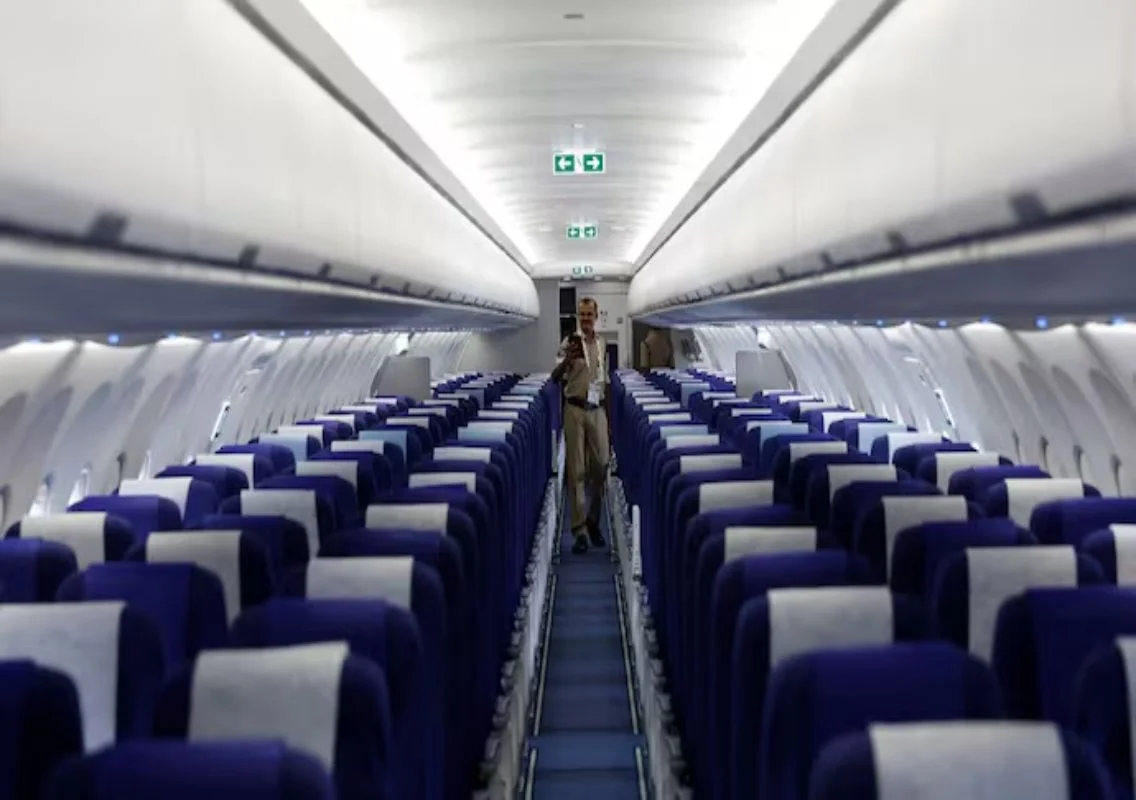

New Delhi: In a significant move aimed at improving passenger convenience and transparency, airlines in India will be required to offer at least 60% of seats on every flight without any additional charge from April 20, as per new guidelines issued by the aviation regulator.
The directive comes from the Directorate General of Civil Aviation following instructions from the Civil Aviation Ministry.
What the new rule says
Under the revised Air Transport Circular issued on March 20, airlines must:
- Offer a minimum of 60% of seats free of charge
- Clearly display seat availability and conditions on booking platforms
- Maintain transparent seat allocation policies
This marks a major shift from the current system, where only around 20% of seats are typically available for free selection.
Implementation timeline
The new rule will come into effect from April 20, giving airlines about 30 days from the issuance of the circular to comply.
Airlines are currently preparing their systems and booking interfaces to align with the updated guidelines.
Relief for passengers
The move is expected to benefit passengers who often pay extra to select preferred seats.
Currently, seat selection charges range from ₹200 to ₹2,100 depending on factors such as seat location, legroom and row preference.
With 60% seats becoming free, a large section of travellers may avoid these additional costs.
Families and group travellers to benefit
The regulator has also emphasised that passengers travelling on the same PNR (Passenger Name Record) should be seated close to each other wherever possible.
This means families and groups are more likely to get adjacent seats without paying extra.
More transparency in charges
Apart from seat selection, the DGCA has also directed airlines to clearly disclose all optional service charges.
This includes fees for carrying sports equipment, musical instruments and related liability conditions in case of damage.
The aim is to eliminate hidden charges and ensure passengers have full clarity before booking.
Airlines raise concerns
Major carriers including IndiGo, Air India and SpiceJet have opposed the move.
Through the Federation of Indian Airlines, airlines have argued that:
- The rule could impact their ancillary revenue
- Losses may be offset by increasing base ticket prices
They have urged the government to reconsider or withdraw the directive.
Why this move matters
The decision comes amid growing complaints about high ancillary charges levied by airlines, especially for seat selection.
With Indian airports handling over five lakh passengers daily, the impact of this rule is expected to be significant across the aviation sector.
Outlook
While passengers are likely to benefit in the short term, there is a possibility that airlines may adjust ticket pricing strategies to balance revenue losses.
How airlines respond will determine whether the move results in real savings for travellers or simply shifts costs elsewhere.
Conclusion
The DGCA’s new rule marks a major step towards making air travel more transparent and passenger-friendly. However, with airlines pushing back, the coming weeks will be crucial in shaping how this policy plays out in practice.

Comments are closed.