
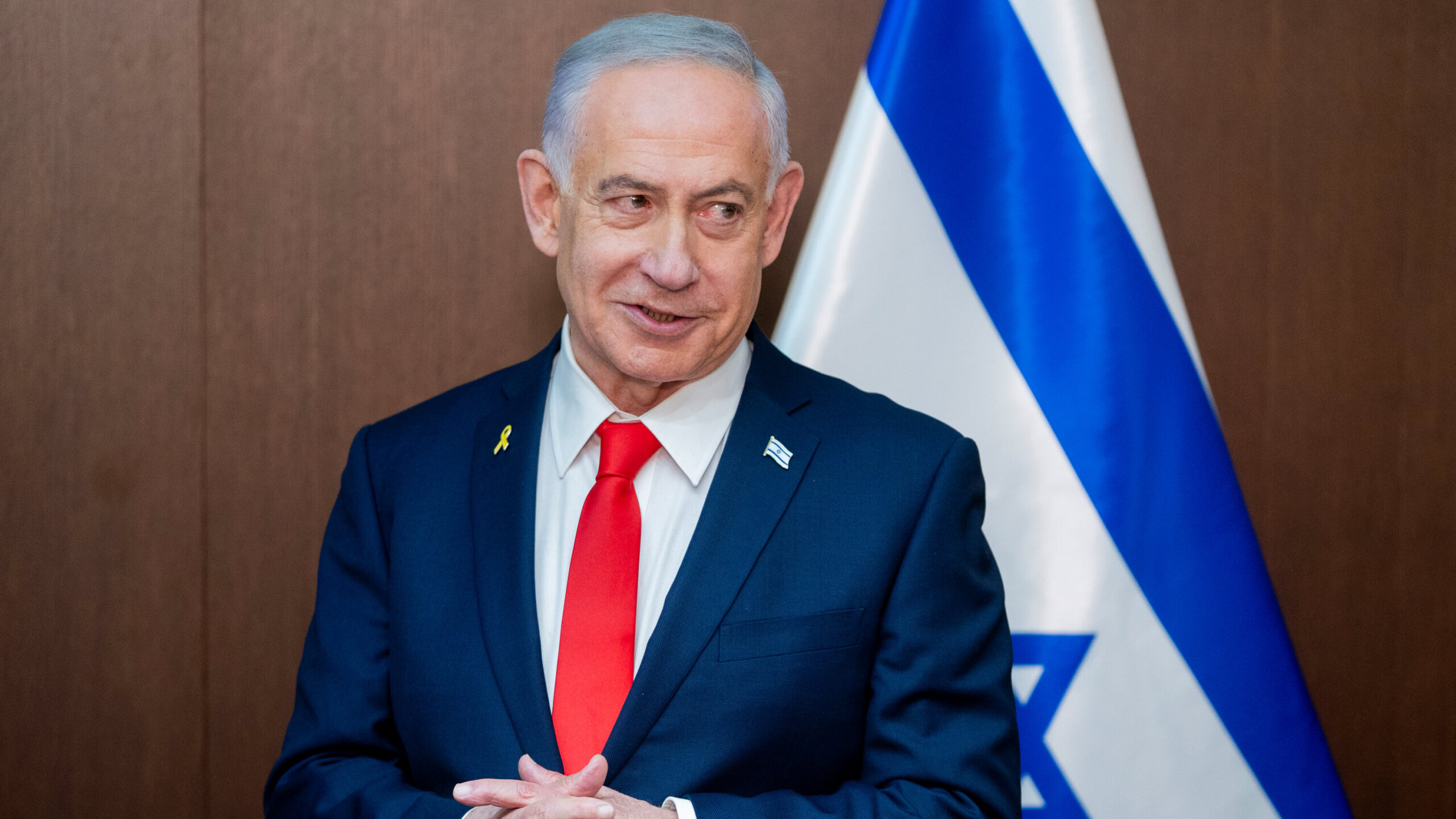
Netanyahu’s big proposal on the sensitive situation of Hormuz, calls Mediterranean pipeline routing a long-term solution

Israeli Prime Minister Benjamin Netanyahu has suggested diverting the pipeline to the Mediterranean Sea as a long-term solution given the sensitive location of energy routes in the Strait of Hormuz. Netanyahu said in an interview to a channel that this step would bypass Iran’s geographical control and help reduce dependence on the strait.
He says the long-term solution should include moving oil and gas pipelines through Saudi Arabia to the Red Sea and the Mediterranean. The Strait of Hormuz is one of the world’s most important energy routes and about 20 percent of global oil exports pass through it. Since the security of this strait is under the control of Iran, it has the potential to influence global energy flows.
Netanyahu said military options can only bring short-term stability, but a long-term solution must involve structural changes that reduce Hormuz’s global energy importance. He suggested that the construction of alternative land routes could reduce Iran’s dominance of the global energy market.
Meanwhile, the Security Committee of Iran’s Parliament has approved the Hormuz Management Plan. Under this scheme, there is a provision to impose toll on ships passing through this strategic waterway, security arrangements, safety of ships, environmental protection and financial arrangements.
The plan includes restricting the passage of American and Israeli ships, strengthening Iran’s sovereignty, and establishing a legal framework in cooperation with Oman. In addition, it also prohibits the passage of ships from countries that are involved in unilateral sanctions against Iran.
The White House said on Monday that the recent movement of oil tankers off Hormuz, which was partially blocked amid the conflict, is the result of ongoing direct and indirect talks between the United States and Iran. In a statement, White House Press Secretary Carolyn Leavitt said the movement of the tankers was the result of a diplomatic initiative by the US administration and was not part of a selective or informal control exercise.
Carolyn Levitt said the recent tanker movements were made possible as a result of continued negotiations between the United States and Iran and would not have been possible without the diplomatic efforts of the US administration.

Comments are closed.