


You land after a long international flight, exhausted and hungry, and three weeks later, your phone bill arrives with a number that makes your stomach drop. Hundreds in roaming charges.
It happens more often than carriers would like to admit, and the frustrating part is that it’s entirely preventable. eSIM for international travel has quietly become one of the best tools in a modern traveler’s toolkit. No fumbling with tiny plastic cards at airport kiosks, no confusing carrier agreements, no mystery line items on your statement.
According to Statista, travel eSIM users spent significantly less per gigabyte of data abroad in 2024 compared to those relying on traditional roaming plans, making the financial case almost impossible to argue against.
Why eSIM Consistently Outperforms Roaming and Local SIMs
Every year, more travelers quietly make the switch. And once they do, almost none go back. Here’s what’s actually driving that shift.
No Surprise Fees, No SIM Juggling
Traditional roaming is deliberately opaque. You get charged per megabyte, per day, sometimes per carrier handoff, and the billing logic is rarely spelled out clearly before your trip.
An eSIM for international travel gives you a prepaid data package with terms you actually understand upfront. You buy it, you use it, you move on. No unpleasant billing surprises waiting at home.
Five-Minute Setup, Zero Airport Stress
Forget hunting for a SIM card after a ten-hour flight. Most reputable eSIM providers send a QR code directly to your inbox, scan it, follow a few prompts, and you’re online in minutes. Most modern iPhones and Android flagships support it natively. By the time your luggage appears on the belt, your connection is already live.
One Plan Across Multiple Countries
Multi-destination trips are where physical SIMs genuinely fall apart. Swapping cards every few days while managing tiny plastic pieces in a foreign country is nobody’s idea of smooth travel.
Many travel eSIM no roaming plans cover full regions under a single package, making cross-border itineraries dramatically easier to manage.
Once you understand why eSIM wins, the next logical move is making sure yours is configured correctly, because setup mistakes are where most travelers still lose money.
How to Configure Your Travel eSIM Properly
Getting the right plan is step one. Setting it up correctly is what actually keeps those unexpected charges off your bill.
Install Before You Leave Home
Always do this on reliable Wi-Fi, well before your departure date. Confirm your device supports eSIM, iPhones XS and newer generally do, as do most current Android flagships.
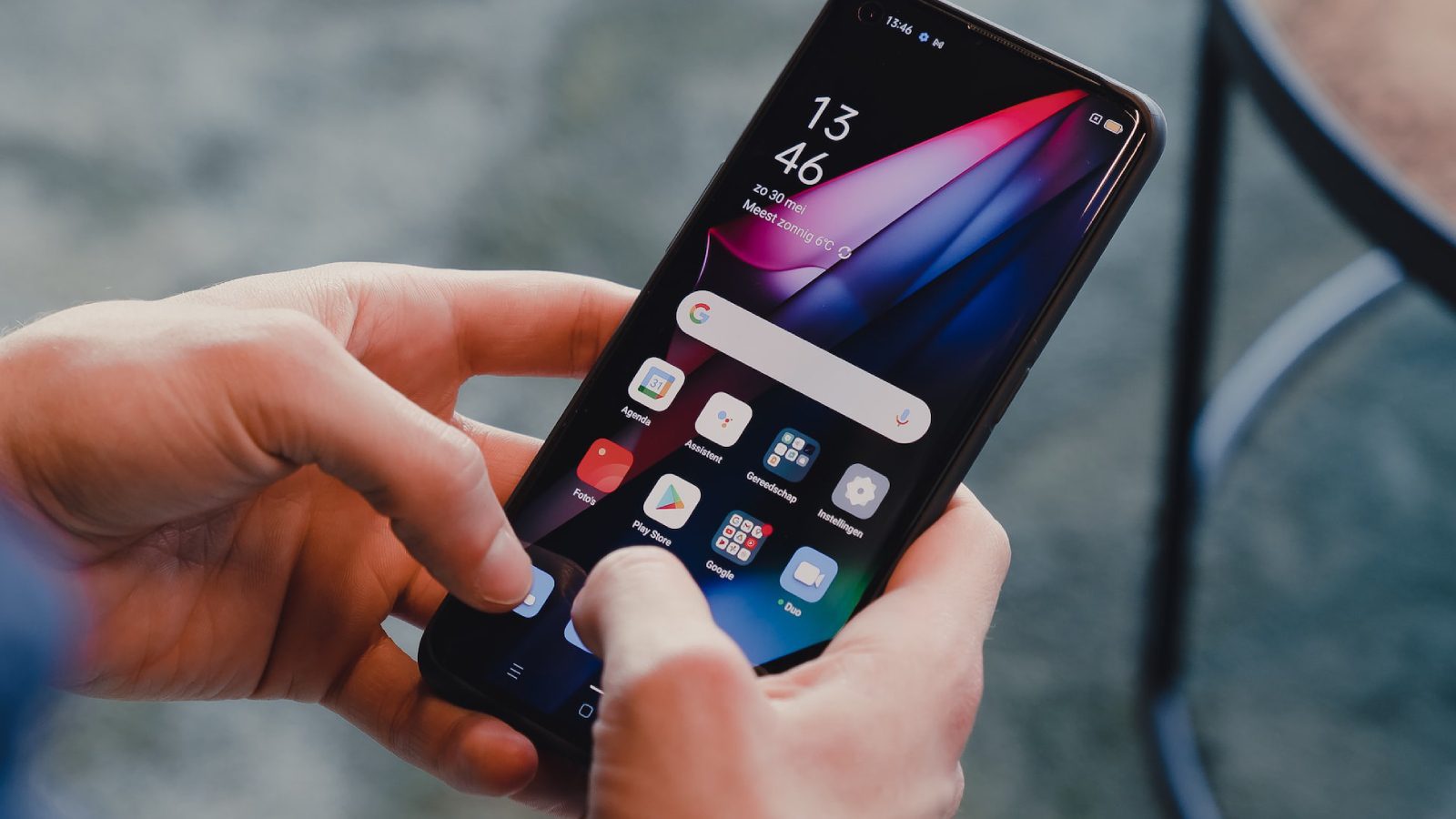
Some providers even allow you to schedule a future activation date, which is genuinely useful for planning ahead without rushing.
Turn OFF Data Roaming on Your Home SIM
This is the step most people skip, and it’s the most expensive mistake in travel connectivity. On iPhone, go to Settings → Cellular → your home plan → turn off Data Roaming.
Android users should navigate to Network & Internet → SIMs → your home SIM → Roaming. Your home carrier will happily charge you if you leave this enabled, even with an eSIM active.
Enable Data Roaming on the eSIM Line
Counterintuitive, but important. Many eSIM providers require you to toggle data roaming on for the eSIM line itself.
Don’t worry, this won’t generate charges because it’s a prepaid plan. It simply allows your device to connect through partner networks at your destination.
Make Your eSIM the Primary Data Line
On iPhone, navigate to Settings → Cellular → Cellular Data and select the eSIM line. Android users should check SIM card manager or Network preferences depending on the manufacturer. Do this before boarding, not after you’ve already landed, wondering why data isn’t working.
Switch Off Automatic Data Switching
Both iOS and Android have a feature that quietly shifts your active data connection if signal weakens. Disable it. The last thing you want is your phone silently reverting to your home carrier mid-trip because your eSIM hit a momentary dead zone.
With proper configuration locked in, you’re already better positioned than most international travelers. A few smart habits will take that even further.
Practical Tips to Make Your Data Go Further
Smart setup gets you connected. Smart usage keeps you there throughout the entire trip.
Download offline maps in Google Maps or Maps.me before departure. Disable background app refresh so your data isn’t quietly draining while you’re exploring.

Lean on hotel or café Wi-Fi whenever it’s available, and reserve your eSIM data for moments when you genuinely need it on the move. These small habits can realistically double the lifespan of a modest data plan, which matters considerably on longer trips.
Of course, good habits only compound value if you’ve started with a solid plan. Let’s look at the providers worth your attention, including a strong option for anyone specifically looking for an for example Brazil plan.
Comparing the Top eSIM Providers for International Travel
Coverage, pricing, and data limits vary meaningfully between providers. Five minutes of comparison before you buy is absolutely worth it.
The Leading Names in Travel eSIM
Airalo has the broadest brand recognition globally, offering both regional and country-specific plans across most major destinations.
Nomad consistently earns strong reliability reviews, particularly for longer hauls. Ezy eSIM differentiates itself through transparent pricing and a clean zero-roaming model. Each has a distinct edge depending on where you’re headed and how much data you realistically need.
Why a Brazil-Specific Plan Matters
Brazil is vast, and network coverage varies significantly across its regions. A generic South American regional plan often can’t account for that variability the way a dedicated option can. Maya Mobile offers focused eSIM Brazil plans with 4G coverage and hotspot capability, a destination-specific solution rather than a generic catch-all that may underdeliver in more remote areas.
Provider Comparison at a Glance
| Provider | Coverage Type | Hotspot | Validity | Best For |
| Airalo | Global/Regional | Yes | 7–30 days | Multi-country trips |
| Nomad | Global/Regional | Yes | 7–30 days | Long-haul travel |
| Maya Mobile | Country-Specific | Yes | Flexible | Brazil-focused travel |
| Ezy eSIM | Global | Yes | 30 days | Budget-conscious travelers |
Where the eSIM Industry Is Heading
The best eSIM for travel isn’t just about what’s available today; it’s worth understanding the direction this technology is moving.
eSIM shipments surpassed 503 million units in 2024, a 35% year-on-year increase, confirming that eSIM-capable devices have firmly crossed into mainstream territory.
Daily carrier roaming passes typically run $3–$10 per day. eSIM plans can reduce that figure by up to 90%. Enterprise adoption is accelerating, too. Companies managing travel for entire teams are now using business-tier eSIM dashboards to oversee connectivity at scale.
And for privacy-conscious travelers: eSIM provisioning is encrypted, though remaining mindful of your digital footprint in certain destinations is always prudent regardless of connection type.

Frequently Answered Questions
Can you receive WhatsApp messages on your home number while using an eSIM without triggering roaming?
Yes. WhatsApp operates over data, not your carrier’s voice network. With eSIM data active, messages arrive through the app on your home number without touching your roaming plan.
Does a missed call going to voicemail cause roaming charges?
Possibly. Voicemail retrieval can ping your home carrier even when you’re not actively using it. Forwarding voicemail to a free app or enabling Wi-Fi calling is the cleaner solution before you depart.
Is it better to turn off your home SIM entirely or just disable data roaming?
Disabling data roaming is generally sufficient. Turning the SIM off completely also blocks calls and SMS, including two-factor authentication codes, which can create real headaches on the road.
What if your phone silently reverts to the physical SIM mid-trip?
That’s automatic data switching doing exactly what it’s designed to do, at exactly the wrong moment. Turn it off in your SIM settings before boarding. Small step, significant consequence if skipped.
Travel Confidently, Leave the Bill Shock Behind
Roaming charges in 2025 are genuinely optional. Avoiding roaming charges with eSIM isn’t marketing language; it’s a predictable outcome when your setup is done correctly.
Choose a plan suited to your actual destination, lock your data settings before you board, and build a handful of sensible usage habits.
Understanding how to use eSIM abroad properly means you land connected, stay connected throughout, and arrive home to a phone bill that holds absolutely no surprises. That last part, honestly, might be the best travel feeling of all.

Comments are closed.