
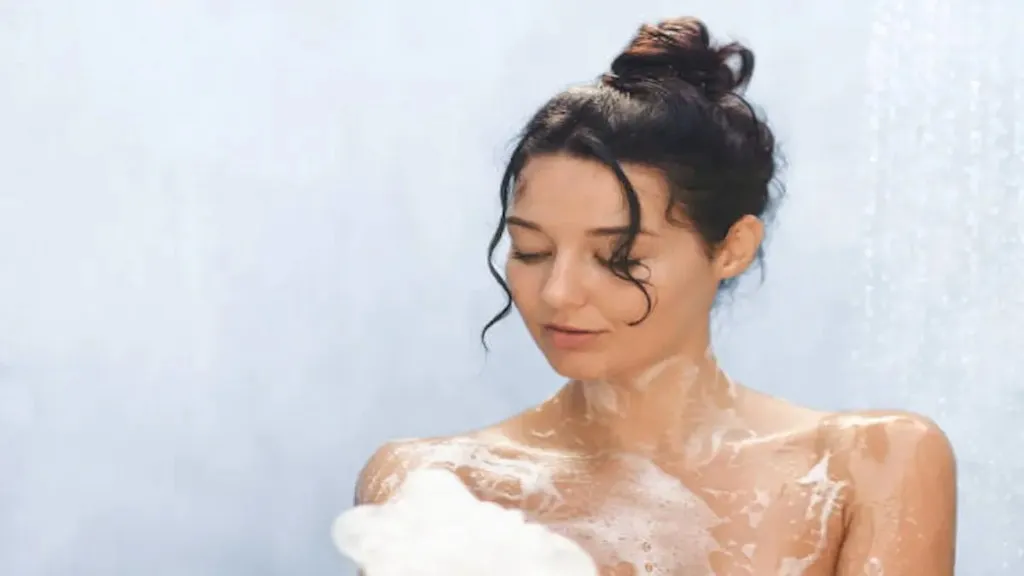

Loofah and Skin Infection: That foamy and fresh feeling of bathing every day, which gives us solace – do you know that there lies a big danger for your skin? Yes, we are talking about that loofah which you lovingly rub on your skin. But that soft looking sponge can actually become a haven for germs. If it is not taken care of properly. Its texture is such that moisture and dead skin particles get trapped, due to which bacteria start growing easily.
In this article we will know how harmful loofah can be for us, how to use it properly, and what measures we can take to keep the skin safe. If you also use loofah daily, then this information is important for you.
Loofah: Cleansing the skin or causing harm?
Loofah helps in removing dead skin cells from the skin and makes the skin smooth. But this is not suitable for those with sensitive skin. If your skin is already delicate then loofah can harm your skin. If used more than 2-3 times a week, the skin may experience rashes, irritation or dryness. Therefore, it is important to use loofah wisely, especially if your skin is sensitive.
How does loofah become a home for bacteria in the bathroom?
A damp loofah becomes a haven for germs in the humidity of the bathroom. According to doctors, dangerous bacteria like Pseudomonas, E. coli and Staphylococcus can easily grow in loofah. When we rub the skin with a loofah, these bacteria can be transferred to our skin. This can cause boils, pimples, rashes, acne and even skin infection. If there is any cut or wound on your skin, then bacteria can also enter inside the skin.
When and how to clean the loofah
If you do not clean the loofah properly, the dirt accumulated in it can become a threat to your skin. Doctors recommend that the loofah should be washed and dried thoroughly after every use. It should be soaked in antibacterial wash once a week so that the germs present in it are eliminated. It is also very important to change the loofah every 2-4 weeks so that the skin remains healthy.
Loofah is not right for every skin type
If your skin is very sensitive or you already have problems with acne, eczema or skin irritation, then loofah is not right for you. Instead, you can use a soft washcloth, silicone scrubber or exfoliating gloves. All of these options are less harmful than a loofah and are easier to clean. Apart from this, you can also use chemical exfoliants like AHA or BHA which gently remove dead skin and do not harm the skin.
safe use of loofahHow to do
If you want to continue using a loofah, some precautions are necessary. Wash the loofah thoroughly after every use and hang it in an open place to dry. Never leave it in a wet bathroom. Disinfect it once a week and get a new loofah once a month. Do not use loofah more than 2-3 times a week and do not use it on any cuts or pimples on the skin. Do not forget to moisturize the skin after bathing, so that the skin remains moist.

Comments are closed.