
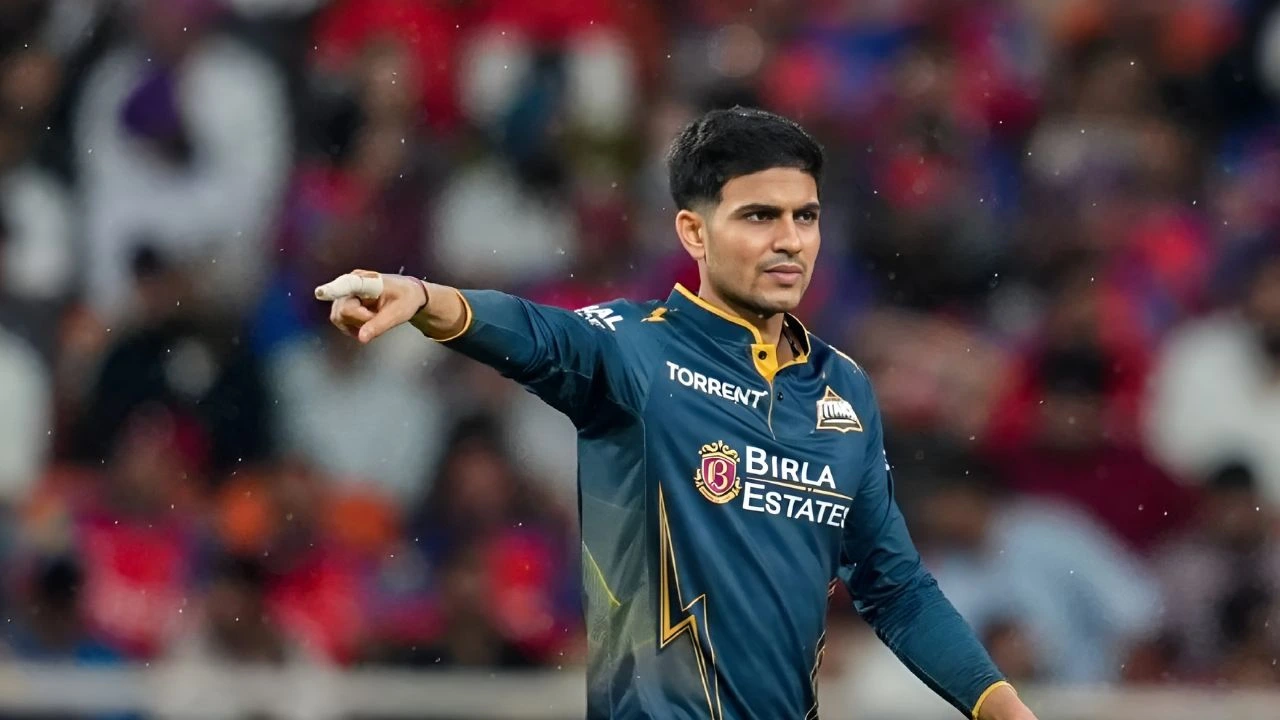
‘Dropped a stinker’ – Shubman Gill’s 39 off 27 balls during PBKS vs GT IPL 2026 game draws fans backlash

The scorecard from Match 4 between Punjab Kings and Gujarat Titans at Mullanpur will show Shubman Gill scored 39 off 27 balls at a strike rate of 144.
On paper that looks like a decent contribution from the GT captain. It is the kind of number that gets filed under solid rather than spectacular and moves on. But cricket in 2026 is not watched through the scorecard alone and when you look at what Shubman Gill’s innings actually did to Gujarat Titans’ chase rather than what it produced in isolation the picture changes considerably.
GT lost by three wickets with five balls to spare. The margin was narrow enough that one different decision, one boundary instead of a dot ball, one moment of acceleration in the middle overs, could have changed the result. Shubman Gill’s 39 off 27 is where that conversation has to start.
The dot balls and why 33 percent of Shubman Gill’s innings produced nothing
Shubman Gill hit six fours in his 27-ball innings. He looked fluent against pace in the powerplay and was moving faster than every other GT batter at the crease beside him. Jos Buttler scored 38 off 33 balls at a strike rate of 115. Sai Sudharsan managed 13 off 11 at 118. Washington Sundar scored 18 off 16 at 112.
By comparison Shubman Gill’s 144 strike rate looks like the innings of a man going hard. The problem is the nine dot balls sitting inside those 27 deliveries. Thirty three percent of his entire innings produced zero runs.
In a match GT lost by three wickets with five balls remaining those nine empty deliveries are the difference between a total of 162 and something approaching 175 or more. The margin of defeat was smaller than the runs those dot balls cost.
What happened when the PBKS spinner came on and why Shubman Gill stalled
The pattern inside the innings is more revealing than the overall numbers. In the powerplay against pace Shubman Gill was exceptional. He was taking the field restrictions on, finding the boundary, looking exactly like a batsman who understood the moment and was responding to it correctly.
Then Shreyas Iyer brought on Yuzvendra Chahal and something changed. Shubman Gill’s strike rate against the spinners dropped below 100. He started playing for the single but could not even rotate the strike effectively against Chahal.
The 7th to 10th over block produced just 29 runs for GT when the projected total at the start of that period was 185 plus. By the time Gill was dismissed at the end of the 9th over the required scoring rate for the remaining overs had climbed to 9.50 per over to reach a par total of 180. He had consumed 24.16 percent of the entire innings and left without accelerating past the spinners.
Also READ: PBKS vs GT Player Ratings: Cooper Connolly shines with 10 as GT collapse costs big
IPL 2026: Uncomfortable innings to look at from a GT perspective
This is the detail that makes the innings genuinely uncomfortable to look at from a GT perspective. Removing Gill from the crease opened an end for Glenn Phillips and Washington Sundar, players with naturally higher strike rates who could theoretically reset the tempo on a pitch that was offering some grip.
A set batter slowing down against spin represented a greater threat to GT’s total than the loss of his wicket. That is a genuinely damning statistical verdict on what should have been an innings of authority.
The biggest proof of what the pitch was actually offering came in the second innings. Cooper Connolly came out for PBKS and scored a fifty at a strike rate of 163 on the same surface that Gill found increasingly difficult after the powerplay.
If the pitch was unplayable after six overs Connolly did not get the message. Which means the pitch was not unplayable. Which means Gill’s stagnation against the spinners was a tactical and temperamental issue rather than a surface issue.
The innings that statistics defended and cricket condemned
In editorial terms this is what analysts call a Negative Impact. A score that looks presentable on the card but where the time consumed creates more pressure on the rest of the batting lineup than the runs provide value.
GT needed Gill to play a finisher’s innings from the moment the spinners came on. At Mullanpur where the dew usually makes the ball fly in the second half of an evening game the window for acceleration was there.
Gill played the Sub-Anchor role in a game that required something bolder and GT’s total of 162 reflects that choice. They lost by three wickets with five balls to spare. The nine dot balls are still there in the data, small and stubborn and exactly the right size to matter.
Here’s how fans reacted:
hearing Shubman Gill has once again dropped a stinker at a ground not named Motera stadium
— 🚀🚀 (@P4BL0G4V1_) March 31, 2026
Shubman Gill starts like T20, then switches to pure stat padding mode 😪
From fireworks to test batting real quick pic.twitter.com/D9QQOCABFl
— Dinda Academy (@academy_dinda) March 31, 2026
🚨🚨39 runs off 27 balls at 144 strike rate by Shubman Gill after batting in PP for 6 overs.
– You can’t expect to even dream of coming back to T2OI team when you are batting with this template in big 2026.
– There is already Abhishek & Samson in main team & then Vaibhav… pic.twitter.com/Yz6M02ZEWc
— Rajiv (@Rajiv1841) March 31, 2026
Shubman gill might just be another tailender when he isn’t facing fodders…
— Godfather😇 (@Michae1cor130n3) March 31, 2026
– 38-year-old Rohit Sharma scored a 50 off 23 balls
– 15-year-old Vaibhav Suryavanshi scored a 50 off just 15 balls.Meanwhile, the so-called prince of cricket Shubman Gill is playing at a strike rate of 140 and giving the team a slow start.
When he was asked about being… pic.twitter.com/D8HCGgs6Df
— Tejash (@Tejashyyyyy) March 31, 2026
Comments are closed.