
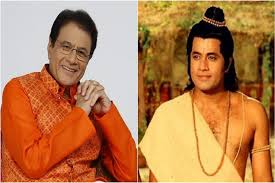
The PMO Call That Changed TV History ,Why Ramanand Sagar Initially Refused to Make Uttar Ramayan:

The legendary creator of the magnum opus Ramayan, Ramanand Sagarinitially had no intention of extending the series into the story of Luv and Kush. However, a single phone call from the Prime Minister’s Office (PMO) changed the course of Indian television history forever. This revelation regarding the iconic Doordarshan show has recently resurfaced, shedding light on the behind-the-scenes drama that led to the creation of Uttar Ramayan.
The Reluctance of a Visionary
After the historic success of the original Ramayan series, which brought India to a standstill every Sunday morning, there was immense public pressure to continue the saga. Despite the demand, Ramanand Sagar was hesitant. His creative vision was fulfilled with the coronation of Lord Ram, and he felt that the subsequent chapters—often filled with the sorrow of Sita’s exile—might not resonate with the audience in the same celebratory way.
The Intervention from the Top
The turning point came when the government recognized the cultural impact of the show. Reports suggest that the then-administration, realizing the show’s power to unite the nation, reached out to Sagar directly. A high-level intervention from the PMO essentially requested the filmmaker to bring the concluding chapters of the epic to the screen. It was this official push that finally convinced Ramanand Sagar to pick up the directorial baton once again for the sequel, Uttar Ramayan.
The Rise of Luv and Kush
Uttar Ramayan focused on the lives of Ram and Sita’s twin sons, Luv and Kushin the ashram of Sage Valmiki. The show introduced two young actors who became overnight sensations, capturing the hearts of millions with their portrayal of the brave and scholarly brothers. The musical renditions and the emotional climax of the twins reciting the Ramayan in the court of Ayodhya became some of the most-watched moments in the history of Doordarshan.
A Cultural Phenomenon Reborn
The decision to produce the sequel proved to be a masterstroke. Not only did it satisfy the audience’s curiosity about the “what happened next,” but it also cemented the Ramayan franchise as an immortal piece of Indian media. Decades later, the show remains a benchmark for mythological storytelling, proving that sometimes, a little push from the highest offices can lead to a timeless masterpiece.
Read More: The PMO Call That Changed TV History ,Why Ramanand Sagar Initially Refused to Make Uttar Ramayan

Comments are closed.