
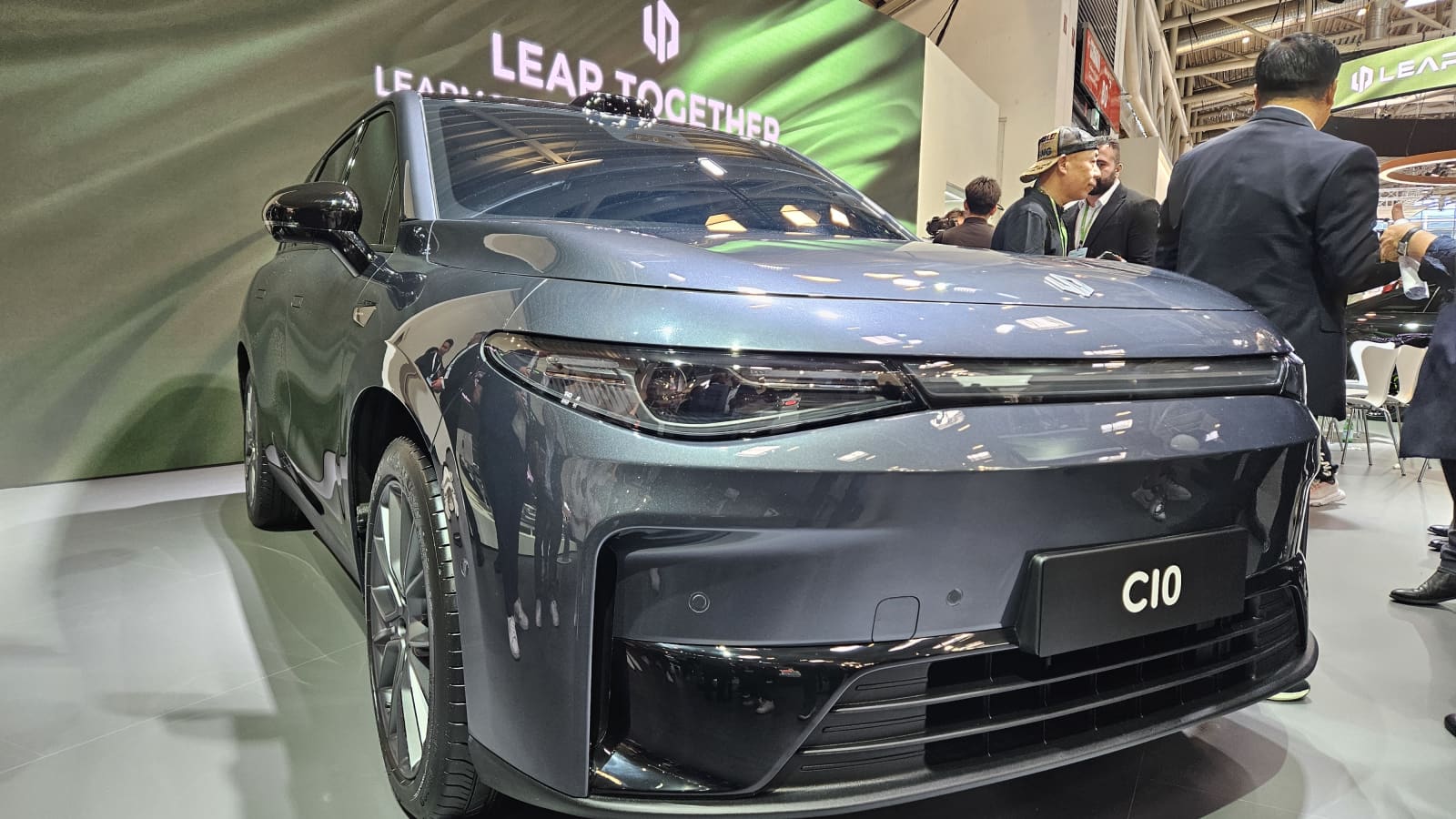

Stellantis is exploring the possibility of building electric vehicles in Canada with its Chinese partner Zhejiang Leapmotor Technology, according to a Bloomberg report citing people familiar with the discussions. While talks remain in early stages, the move signals a potential shift in the automaker’s North American strategy amid rising trade tensions and changing production priorities.
The discussions are reportedly centered around Stellantis’ assembly plant in Brampton, Ontario, a facility that has been idle since 2024. The nearly 40-year-old plant was originally scheduled to reopen in 2025 to produce the next-generation Jeep Compass. However, those plans were paused following new tariffs imposed on Canadian goods by U.S. President Donald Trump, which prompted Stellantis to move Compass production to Illinois instead.
Now, the automaker appears to be reconsidering its Canadian footprint, with electric vehicles potentially playing a central role.
Leapmotor Partnership Gains Momentum
Stellantis’ partnership with Zhejiang Leapmotor Technology has been steadily gaining importance since 2023, when Stellantis acquired a 21 percent stake in the Chinese EV maker for $1.6 billion. The two companies also formed Leapmotor International, a joint venture designed to expand Leapmotor’s electric vehicle offerings globally. Stellantis holds a controlling 51 percent stake in the venture.
The potential Canadian production plan could mark one of the first major manufacturing initiatives under this partnership in North America. By leveraging Leapmotor’s EV technology and Stellantis’ manufacturing infrastructure, the companies may be able to accelerate their electric vehicle rollout while managing costs.
However, sources indicate that discussions remain preliminary, and no final decisions have been made.
Trade Tensions Reshape Manufacturing Plans
The Brampton plant has become a focal point in a broader dispute between Stellantis and Canadian authorities. After the company shifted Compass production to the United States, Canada signaled possible legal action, arguing that Stellantis had previously committed to maintaining operations in the country in exchange for government financial support.
In response, both parties entered dispute settlement proceedings in November, aiming to resolve differences and bring production back to the facility.
The possibility of producing Leapmotor-based electric vehicles in Canada could provide a pathway to resolve tensions while aligning with Stellantis’ electrification goals.
Stellantis Signals Ongoing Discussions
In a statement, Stellantis confirmed it is evaluating future programs for the Brampton plant and remains in active discussions with government officials and stakeholders.
“Stellantis is actively evaluating future programs for Brampton,” the company said. “We are in active discussions with government officials and key stakeholders to ensure that the conditions for success are in place to support continued investment in Canada.”
Zhejiang Leapmotor Technology has not yet commented on the reported discussions.
What This Means for the EV Market
If finalized, the Canada EV production plan could strengthen Stellantis’ electric vehicle ambitions while reinforcing its North American manufacturing presence. It would also highlight the growing influence of Chinese EV technology in global markets, particularly through strategic partnerships.
For now, the future of the Brampton plant remains uncertain. But one thing is clear: Stellantis is keeping its options open, and Canada could still play a significant role in the company’s electric future.

Comments are closed.