
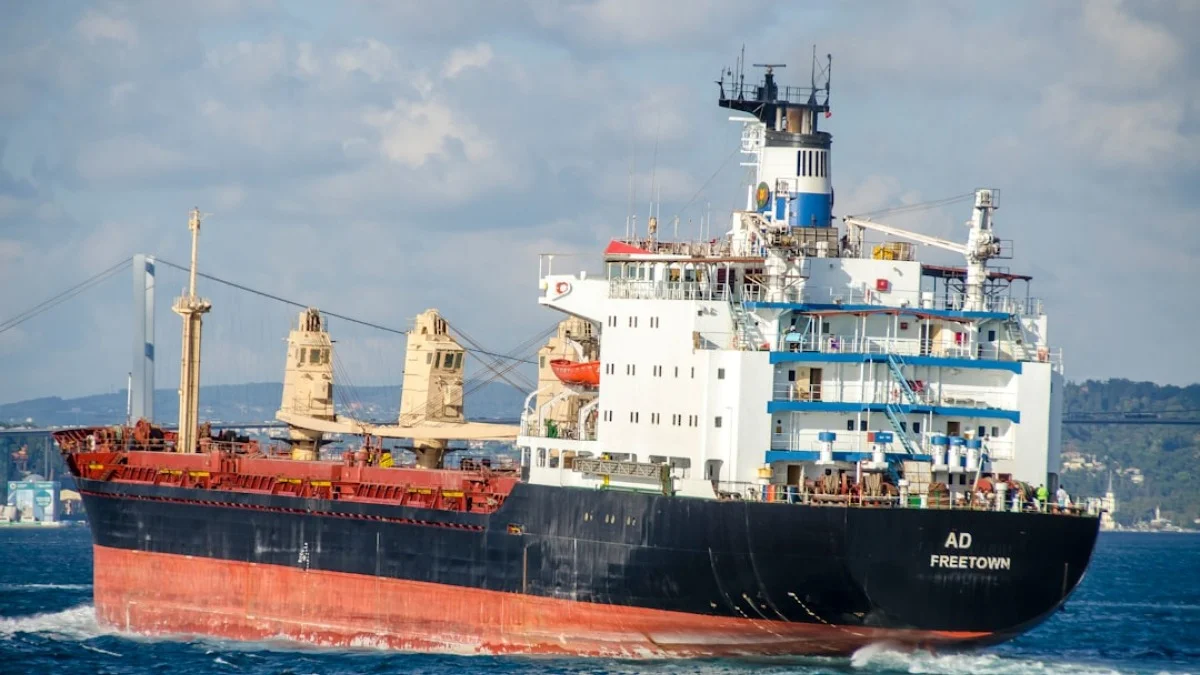

Russia’s presidential foreign policy aide Yuri Ushakov has stated that the Strait of Hormuz remains open for Russia, according to Interfax. The statement, brief and unelaborated, carries significant geopolitical weight given the context of the past five weeks of conflict and the extraordinary economic disruption that the Strait’s effective closure has caused globally.
What Ushakov Said
The statement from Ushakov is simple and direct. The Strait of Hormuz remains open for Russia. No further details were provided in the Interfax report about the basis for this claim, whether it reflects a formal arrangement between Moscow and Tehran, a de facto understanding between the two countries, or simply Russia’s assessment of the current operational situation for its own vessels.
Why This Statement Matters
The Strait of Hormuz has been described as blocked, severely disrupted, or effectively closed since the Iran war began on February 28, 2026. That characterisation has been the foundation of five weeks of extraordinary commodity price volatility, with Brent crude rising above $115 per barrel, India’s rupee hitting record lows near 95 per dollar, LPG cylinder shortages emerging, and governments across Asia absorbing hundreds of billions of rupees in fuel subsidies to protect consumers from the full market-rate impact of the supply disruption.
If the Strait of Hormuz is open for Russia, it means Iran is maintaining a selective access policy for the waterway rather than a blanket closure. Russia and Iran have maintained close strategic ties throughout the Iran war, with Moscow opposing the US-Israeli military campaign and positioning itself as a potential diplomatic mediator. A Russia-specific open channel through the Strait would reflect Tehran using energy corridor access as a diplomatic instrument, rewarding strategic partners with passage while maintaining the economic pressure of restricted access for others.
The India Dimension
This statement has direct and immediate relevance for India for two specific reasons.
First, India’s Russian oil waiver expires on April 5, three days from now. India has been purchasing discounted Russian crude under a 30-day US waiver that is now approaching expiry without confirmed extension. If Russia’s ships can transit the Strait freely, Russian crude can move through Gulf waters to Indian ports through the most efficient routing. Whether India’s purchase of that Russian crude falls within the waiver framework or not is a separate legal question, but the physical logistics of Russian oil reaching India via Hormuz being confirmed as viable is relevant information for Indian energy planners.
Second, India itself has a special passage arrangement with Iran that has allowed Indian ships to transit the Strait. The confirmation that at least some national flags are transiting freely suggests the Strait’s closure is more selective than total, which may provide India with grounds to argue for continued passage under its own bilateral arrangement with Tehran.
What It Does Not Mean
Ushakov’s statement that the Strait is open for Russia does not mean the Strait is open generally. It does not mean the supply disruptions that have driven crude oil prices to $100 to $115 per barrel are resolved. It does not mean the 20 to 25 percent of global oil supply that normally transits the Strait is flowing freely. And it does not change Iran’s parliament’s categorical statement earlier today that the Strait will not open and that Iran has held no negotiations.
What it suggests is that the Strait’s status is more nuanced than a binary open or closed characterisation, that Iran is managing access selectively based on geopolitical relationships, and that Russia’s strategic partnership with Iran has translated into a concrete operational benefit for Russian shipping.
The Diplomatic Signal
Beyond the logistics, Ushakov’s statement is a diplomatic signal. Russia is publicly acknowledging a benefit it receives from Iran’s conflict posture, which implies a level of coordination or at minimum mutual understanding between Moscow and Tehran about how the Strait situation is being managed. At a moment when China and Pakistan have put forward a five-point peace proposal and multiple diplomatic channels are active, Russia’s public confirmation of its own Strait access is a reminder that the major powers surrounding this conflict are managing their individual interests within it rather than presenting a unified front.
For Indian policymakers watching from New Delhi, the picture that emerges is of a Strait that Iran controls selectively, with Russia confirmed as having access, India having a bilateral arrangement that may or may not be fully operational, and the rest of the global energy market bearing the cost of everything that does not have a specific bilateral arrangement with Tehran.
This is a developing story. Business Upturn will update coverage as further details emerge about the basis for Russia’s Strait access and its implications for global energy flows.

Comments are closed.