
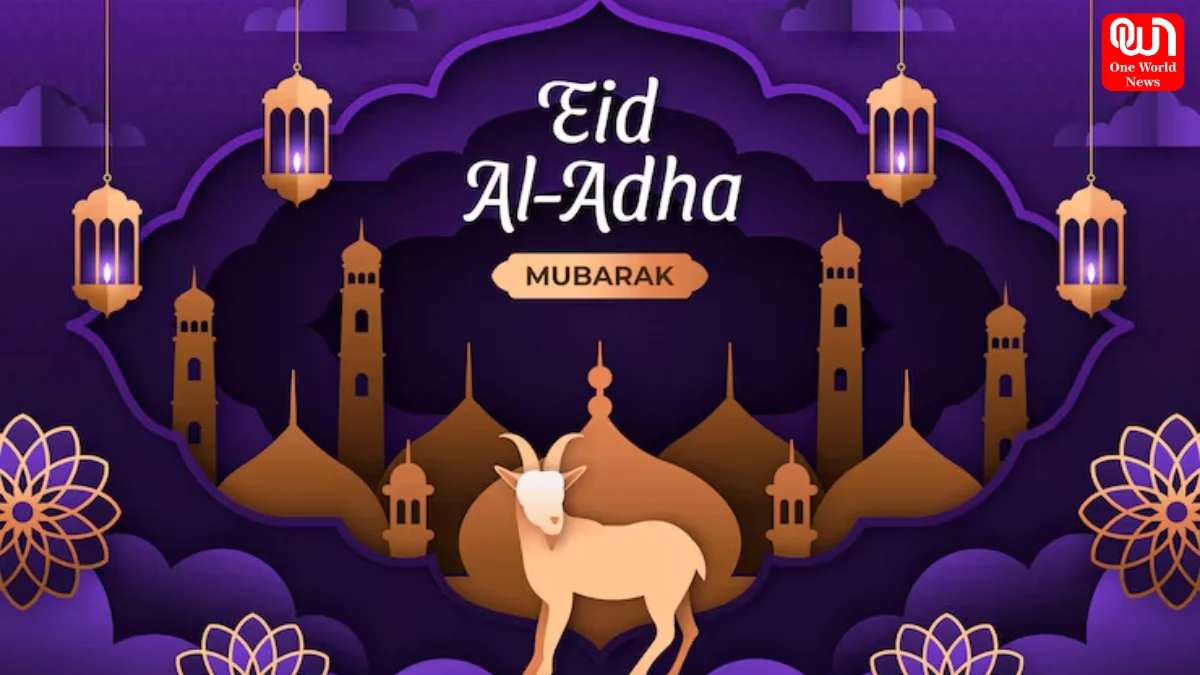

Eid al-Adha 2026: Significance, History, Sacrifice Traditions, and How Muslims Celebrate Across the World
Eid al-Adhaalso known as the “Festival of Sacrifice,” is one of the most important Islamic holidays celebrated by Muslims around the world. In Eid al-Adha 2026this sacred festival is expected to begin around May 27, 2026 (dates may vary depending on moon sighting). It honors the deep faith and obedience of Prophet Ibrahim (Abraham) and emphasizes values like sacrifice, generosity, and devotion to God.
Meaning and Religious Significance
Eid al-Adha commemorates the story of Prophet Ibrahim, who was willing to sacrifice his son as an act of obedience to Allah. Before the sacrifice could take place, Allah provided a ram to be sacrificed instead. This event symbolizes unwavering faith and trust in divine wisdom.
In Eid al-Adha 2026, Muslims reflect on this powerful lesson by practicing sacrifice in their own lives—not only through the ritual of animal sacrifice but also by giving up ego, pride, and material attachments. The festival reminds believers to strengthen their relationship with God and support those in need.
Read more: Hanuman Jayanti 2026: Date, Muhurat, Rituals, Mantras, and Wishes
The Ritual of Qurbani (Sacrifice)
A central tradition of Eid al-Adha is Qurbanithe ritual sacrifice of an animal such as a goat, sheep, cow, or camel. This act is performed after the special Eid prayer. The meat is divided into three parts:
- One-third for the family
- One-third for relatives and friends
- One-third for the poor and needy
This distribution ensures that everyone, regardless of financial status, can partake in the joy of Eid al-Adha 2026. It highlights the importance of charity and community support.
Eid Prayers and Spiritual Practices
On the morning of Eid al-Adha 2026, Muslims gather in mosques or open prayer grounds for a special congregational prayer. This prayer is followed by a sermon (khutbah) that reminds people of the values of sacrifice, humility, and compassion.
Before attending the prayer, Muslims:
- Take a ritual bath (ghusl)
- Wear clean or new clothes
- Recite Takbir (praises of Allah)
These practices create a sense of unity and spiritual renewal among the community.
Global Celebrations and Cultural Traditions
Eid al-Adha 2026 will be celebrated across different countries with unique cultural flavors, yet the core message remains the same. In countries like India, Pakistan, Saudi Arabia, Turkey, and Indonesia, families come together to celebrate with prayers, feasts, and acts of charity.
Common traditions include:
- Preparing special dishes like biryani, kebabs, and sweets
- Visiting relatives and friends
- Giving gifts, especially to children
- Donating to charities and helping the underprivileged
Despite cultural differences, the spirit of sharing and compassion unites Muslims globally during Eid al-Adha 2026.
Connection with Hajj Pilgrimage
Eid al-Adha coincides with the completion of Hajjthe annual Islamic pilgrimage to Mecca. Millions of Muslims gather in Saudi Arabia to perform this sacred journey, which is one of the five pillars of Islam.
For pilgrims, Eid al-Adha marks the culmination of their spiritual journey. For others around the world, it is a time to reflect on the same values of devotion, sacrifice, and unity.
Read more: Taj Mahotsav 2026 Guide: Date, Timings, Entry Fees and More
Importance of Charity and Giving
Charity is a core aspect of Eid al-Adha 2026. Beyond Qurbani, Muslims are encouraged to give Zakat and Sadaqah (voluntary charity). This ensures that the blessings of Eid reach everyone, especially those less fortunate.
Helping others during Eid strengthens social bonds and promotes equality within the community. It reinforces the idea that true celebration comes from sharing and caring.
Modern Celebrations in 2026
In today’s digital world, Eid al-Adha 2026 will also be celebrated online. People connect through video calls, social media greetings, and digital charity platforms. Many organizations now allow online Qurbani donations, making it easier to contribute globally.
At the same time, there is growing awareness about ethical and hygienic practices during animal sacrifice, ensuring that traditions are followed responsibly.
Conclusion
Eid al-Adha 2026 is more than just a festival—it is a profound reminder of faith, sacrifice, and compassion. It teaches Muslims to trust in God, help others, and live with humility. Whether through prayer, charity, or family gatherings, the essence of Eid lies in spreading love and kindness.
As Muslims around the world celebrate Eid al-Adha 2026, the message remains timeless: true devotion is reflected not just in rituals, but in how we treat others and contribute to a better, more compassionate world.
Comments are closed.