
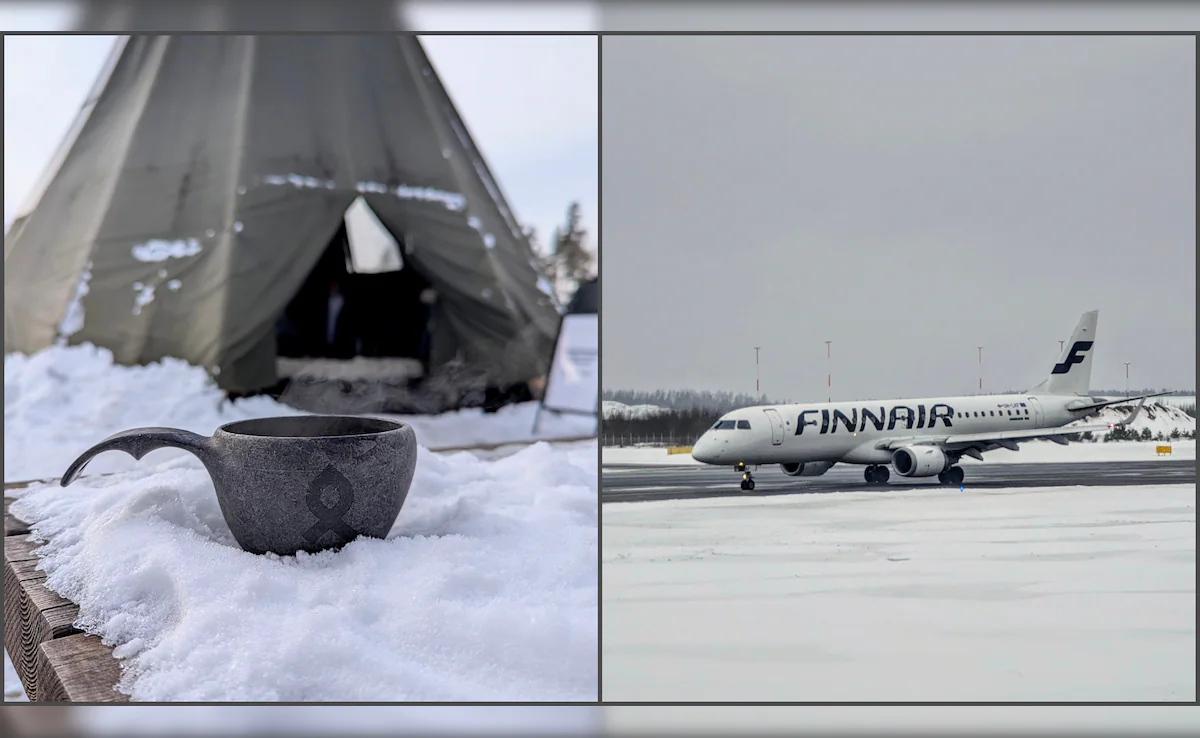

Coffee.
The Happiness Secret
In the Nordic countries, where sunlight can be scarce and the mood dependent on it, coffee takes centrestage. It is considered a warm invigorant on days when the sun doesn’t come out, as well as on others. Finland is the world’s largest consumer of coffee, averaging at 12 kilograms of the beverage per person per year. That means about 1,700 cups of coffee per person per year, or about 4-5 cups of coffee every day. So ingrained is the coffee culture in Finland that there is a specific name for their coffee break: coffee break.
Coffee is built into the social fabric of Finland. Photo: Unsplash
Coffee to the Finn tongue, coffee is poured everywhere in Finland, on all occasions. Birth, death, marriage, divorce, workday or a day off. You cannot have a forest outing without a thermos of coffee. You cannot sit down in an office without sipping from a cup. At a lakeside cottage or outdoors, the beverage comes in a cupolaor a Finnish coffee cup. Leave a cafe before your table has finished their coffee, and see the atmosphere change. Even an election isn’t complete till it is celebrated with coffee! There is a specific term for it too – ‘election coffees‘ – the ‘election coffee’ that Finns round off exercising their voting rights with.
The coffee ritual means sharing the beverage with good company, alongside something sweet.
Outdoors, Oxygen, And ‘Kahvi’
In the country for Finnair’s International Press Day, the location of which was the absolutely gorgeous Nuuksio National Park just outside of Helsinki, we get a firsthand view of what coffee means for the Finnish society. The coffee, served in the ‘Finnair Kitchen’, is brewed strong and served in a kupilka, along with anywaya sweet bun dusted with icing sugar.

‘Oxygen jumping’. Photo: Author
This coffee break forms part of ‘Happihyppely‘, or ‘oxygen jumping’; basically, a brisk walk. We are nudged to go out into the snow for one. The oxygen jump culminates in the coffee breakand reveals a brief window into how the Finns manage to stay so happy. Outdoors, and ‘oxygen jumping’, is part of their DNA.
All of the coffee literature aside, why is coffee important to Finland’s happiness?
A 400-Year Coffee Culture
Sometime in the 17th century, coffee found its way to Finland from Sweden and Russia. It started off as a beverage of the rich and famous. The elites would have their coffee, and soon, the Finns began considering the drink medicinal, and thought it had healing properties. By the next century, coffee had spread all across Finland.

An outing in Finland is incomplete without coffee. Photo: Getty Images
Then came the 20th century. On June 1, 1919, Finland kicked off a Prohibition Act that banned the production, sale and transport of alcohol. It was meant to curb the abuse of alcohol. Coffee quickly became the beverage that Finns fell back on, even though smuggling of booze became a new problem to tackle. The alcohol ban was eventually lifted in 1932.
Seven years later, World War II broke out. It was these few years that tested the Finnish resilience the most, as coffee went extinct from the country. So, locals turned to organic substitutes. They brewed ‘coffee’ from barley and rye, sugar beet or beetroot, till the beans returned to the country after the war.
The Coffee Capital Of The World
Since then, there has been no looking back for Finland. The country is considered the world capital of coffee, way ahead of Italy or Spain.
Coffee is one of the major reasons behind Finland being crowned the world’s happiest country year after year. Add to that social trust, robust welfare systems, a fantastic work-life balance, access to nature; and you have a 360-degree picture of why Finland consistently ranks the highest on the world happiness index.

The ‘Finnair Kitchen’ in the middle of Nuuksio National Park. Photo: Author
Wearing its 9th happiness crown this year, Finland knows the art of turning coffee into a lifestyle. In Finn homes, brewing coffee manually is a tradition that is held on to firmly, despite technological advances. Business meetings are done over coffee. Offices are mandated to include two 15-minute coffee breaks (in addition to a lunch break) for employees if they work for six hours. It is the only country in the world with such a system. So you know the Finns aren’t joking around about their coffee.
An Untranslatable Resilience
At the heart of the happiness conversation lies a uniquely Finnish idea: the untranslatable ‘content‘. It is a quiet, enduring resilience that carries Finns though the polar winter and moments of crisis alike. Content is evident in the way coffee is shared, but it is far larger than just a coffee-table ritual. It is the very way the country functions and institutions move.
It is this very ‘content‘ that has helped the country’s flag carrier Finnair navigate the ‘double crisis’ of the pandemic and the Russia-Ukraine war. The airline’s International Press Day, the first since 2019, coincides with the fourth anniversary of Russia’s attack on Ukraine. The last six years, we learn, have taken extraordinary strength and resilience for the airline to bounce back from the dual hit.
The Airline That Powers The Happiest Country
Before the Russia-Ukraine war, Finnair used to have the shortest route from Europe to the Far East. The Russian airspace closure ended that. So, the Finns had to quickly look at new ways of dealing with this two-pronged predicament. Finnair opened up new routes. It trained its pilots to use only one engine while taxiing and on ground. It identified markets where there was interest in Finland. And growth followed.
Finnair, the 5th oldest airline in the world, is one with zero big aviation incidents in the last 60 years. It offers the entry point into the country. Finland, after the pandemic, saw tourists flocking from Japan, China, India, Taiwan, the US, Australia, UK, Germany, Italy and France. It logged 7.2 million overnight stays in 2025. The Finnish flag carrier played a significant role in that number.
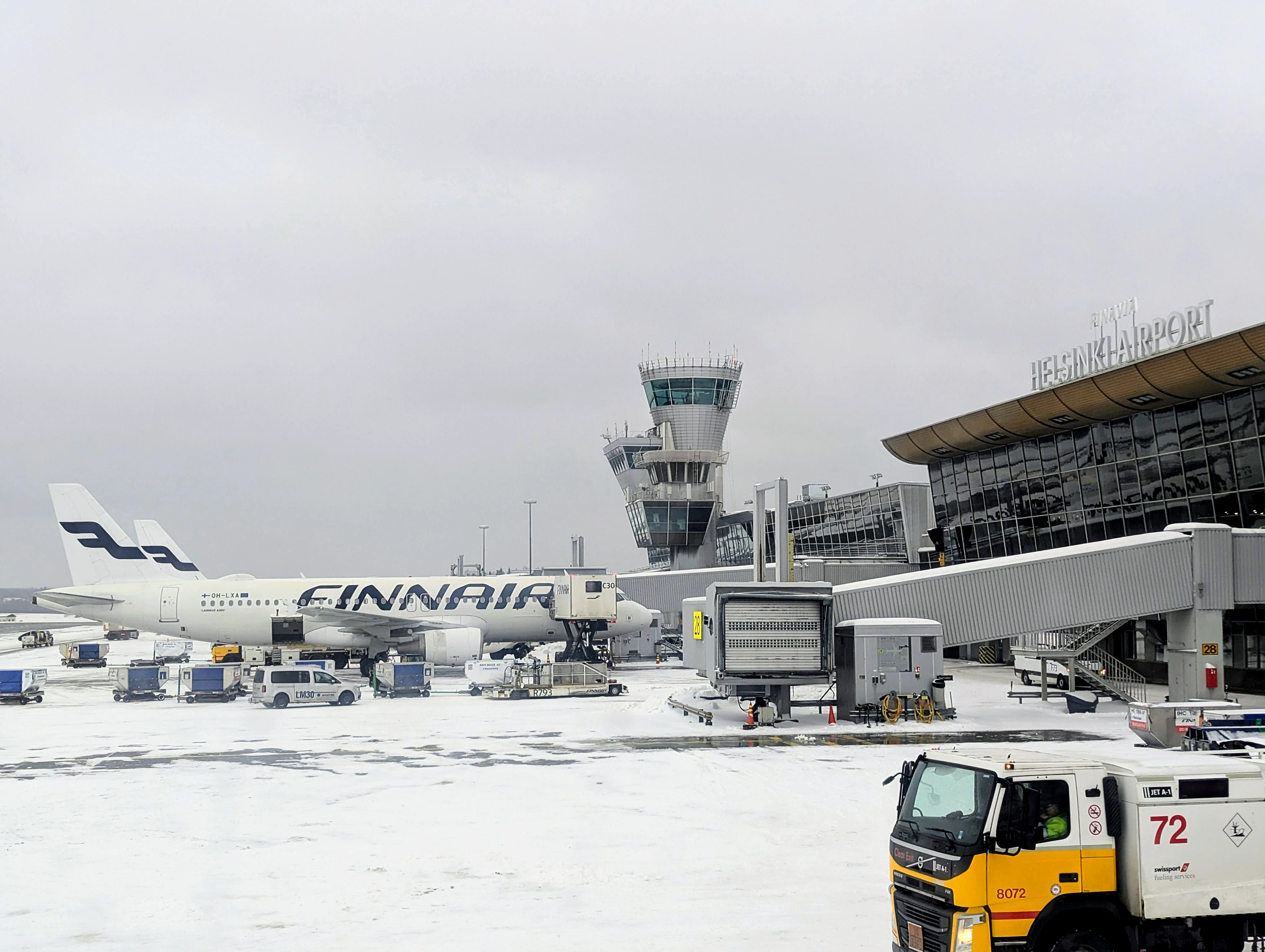
Helsinki airport, Finnair’s home hub. Photo: Author
Finnair is the main connection in the Nordic countries, and Helsinki takes itself seriously as the hub of connectivity to Scandinavia from the rest of the world.
On board a direct flight from Delhi to Helsinki, the primary differentiator between Finnair and the others is the smile that the crew greets you with all along the 5,200 km journey. Happiness isn’t restricted to the face here. As you take a sip of your coffee, you see that happiness reflected in the eyes of the crew on board. You’re on a flight to the happiest country in the world, after all. The Northern Lights outside your window are a bonus.
Comments are closed.