
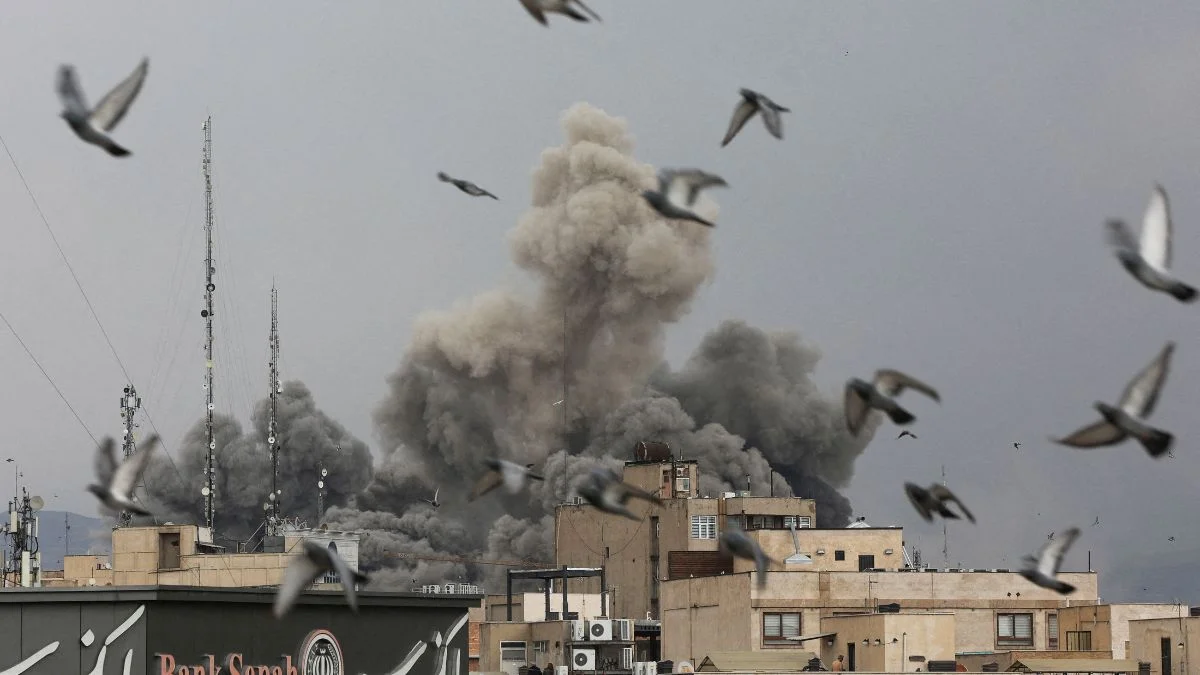

The Israel Defense Forces has announced that it carried out a series of coordinated airstrikes targeting multiple military assets at three airports in Tehranmarking a significant escalation in the ongoing conflict between Israel and Iran.
According to official statements released by the Israeli military, the strikes hit dozens of aircraft, helicopters, and other key military infrastructure believed to be linked to Iran’s air force and logistical operations. The targeted facilities were described as critical nodes supporting aerial operations, transport, and rapid deployment capabilities within Iran.
Military officials stated that the operation was aimed at degrading Iran’s ability to project air power and respond to ongoing regional hostilities. The strikes reportedly focused on disabling operational aircraft and damaging runways, hangars, and support systems at the identified airport locations.
Iranian authorities have not yet provided a detailed assessment of the damage or confirmed the extent of losses. However, initial indications from regional monitoring sources suggest disruptions to air traffic and heightened security measures across Tehran’s aviation infrastructure following the strikes.
The escalation comes amid intensifying hostilities between the two countries, with both sides engaging in direct and indirect confrontations across multiple fronts. In recent weeks, Israel has increased its focus on targeting Iranian military capabilities, including missile systems, drone infrastructure, and strategic installations.
Analysts view the latest strikes as part of a broader strategy by Israel to limit Iran’s operational reach and reduce the risk of coordinated aerial or missile-based retaliation. By targeting airport infrastructure, the Israeli military appears to be aiming at both immediate tactical disruption and longer-term strategic degradation of Iran’s military logistics.
The strikes also carry significant geopolitical implications, raising concerns about further escalation in an already volatile region. Regional actors and international stakeholders have repeatedly called for restraint, warning that continued military actions could widen the conflict and disrupt critical global supply chains, particularly in energy markets.
Airspace restrictions and precautionary measures have been reported in and around Tehran, reflecting concerns over potential follow-up strikes or retaliatory actions. Security has also been tightened at key infrastructure sites across Iran.
Despite the escalation, diplomatic channels remain active, with multiple countries attempting to mediate and prevent further deterioration of the situation. However, the latest developments underscore the fragile nature of the current security environment and the increasing likelihood of broader regional instability.
The situation continues to evolve, with further updates expected as more information becomes available regarding the scale and impact of the strikes.

Comments are closed.