
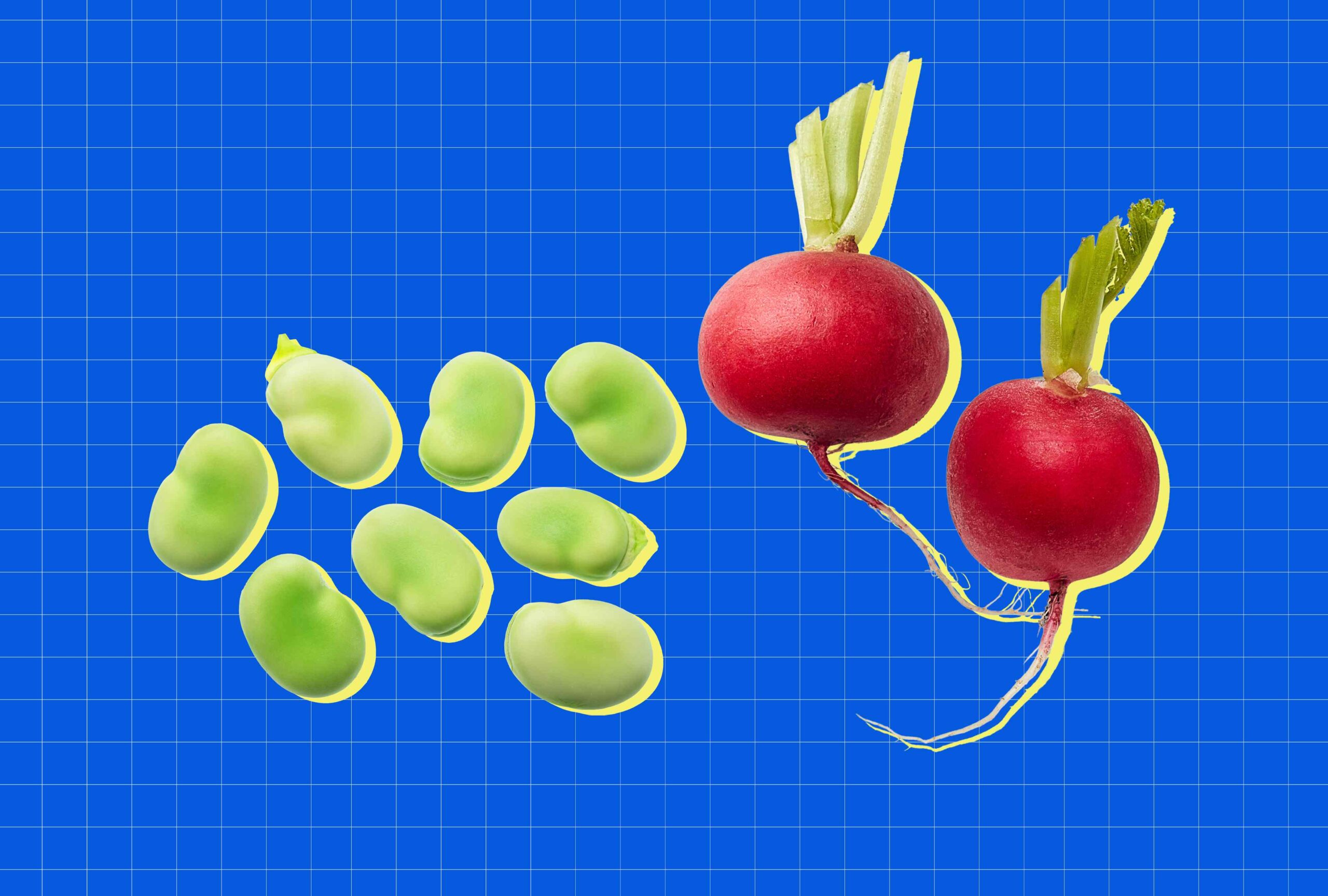

Spring into the season with these Med diet-friendly foods.
Reviewed by Dietitian Alyssa Pike, RDN
Key Points
- The Mediterranean diet lends itself well to seasonal eating, especially in springtime.
- Springtime’s bevy of Med diet–friendly foods include radishes, fava beans, artichokes, leafy greens and asparagus.
- This season, use these options to kick-start anti-inflammatory meals and snacks.
The Mediterranean diet isn’t always billed as a seasonal eating plan, but seasonality is a subtle way this diet shines. “Eating seasonally is a core feature of eating in the Mediterranean region,” says Jen Bruning, MS, RDspokesperson for the Academy of Nutrition and Dietetics. “While that can be hard to replicate in lots of places with colder winters, we can take advantage of warming temperatures to choose locally grown foods in season when available.”
The time of year things typically start to warm up? April! “As spring unfolds, there are lots of beautiful foods that come into season and are featured prominently in Mediterranean cuisines,” says Shauna McQueen, M.S., RD. When the world begins to freshen up, you might feel like a fresh start in the kitchen, too. Check out these five Mediterranean diet foods to stock up on in April.
Radishes
This time of year, radishes have a unique claim to fame: They’re one of the only root vegetables in season. “Many root veggies show up later in the growing season, but radishes can be relied on to grace our springtime tables,” says Bruning.
As a member of the same plant family as cabbage and kale, radishes also contain anticancer substances, Bruning says. In test tube studies, for example, a compound in radishes called sulforaphane slowed the growth of human breast cancer cells. Use these crunchy veggies to bring a burst of ruby-red color to springtime salads, noodle dishes or sheet-pan dinners.
Fava Beans
Looking to add some staying power to Mediterranean meals? With plenty of filling fiber, tender, meaty fava beans do the trick—and they happen to be in season in spring. Working them into your rotation brings nutrients galore. “They’re rich in fiber, folate and iron,” says McQueen.
Fava beans are also an unsung hero of protein. One cup contains 14 grams. Besides helping you hit daily protein targets, a regular intake of fava beans could benefit your heart. Research shows that diets high in plant-based protein may reduce the risk of cardiovascular disease. McQueen says fava beans’ creamy versatility works well in all sorts of dishes, from dips to pasta.
Artichokes
Another veggie that rears its head (or, rather, its heart) during springtime: artichokes. Ideal for outdoor grilling, these veggies easily make their way into Mediterranean pasta dishes, grain bowls and casseroles, says Sharon Palmer, M.S.F.S., RDN.
Meanwhile, artichokes have a lot to offer for health. “Artichokes are very rich in fiber—in particular prebiotic fibers—which are good for gut health,” says Palmer. Prebiotic fibers are the kind that “feed” healthy gut bacteria, promoting smoother digestion, stronger immune function and other benefits.
Baby Greens
Green is the color of spring, both on the ground and on a Mediterranean diet plate. “Some of the first greens to come up in the spring are baby greens like arugula, lettuce and others,” says Bruning. These bite-size leaves have a special advantage, compared to later-season varieties. “Tender young greens are more pleasing texturally to people who don’t like tougher greens, so kids or texture-sensitive adults might enjoy these greens more than the full-grown varieties,” Bruning says.
On any diet—Mediterranean or otherwise—greens pump up meals’ nutrient power. “A handful of greens adds fiber, calcium, vitamin C, vitamin K, folate and potassium to your meals, and they can help support brain health, immune function and cardiovascular health,” says McQueen.
Asparagus
A classic springtime veggie, asparagus is the star of many an April farmers’ market. Bruning recommends purchasing it locally or regionally if you can. “Often sweeter and longer lasting than imported or trucked-in kinds, seasonal asparagus is a temporary treat worth seeking out during its short growing season,” she says.
The tender green stalks are a force of nature for nutrition. Like artichokes, McQueen says, asparagus is high in prebiotic fiber. “It’s also rich in folate, which is especially important during pregnancy,” she notes. While asparagus is in season, grab a bunch (or several!) for a Mediterranean asparagus quiche, risotto or a grazing board.
Our Expert Take
As you throw open the windows and let the sun shine in this April, consider opening the door to Mediterranean diet–style seasonal foods as well. “[Spring] is the perfect time to lighten up your diet and plunge into this plant-forward eating style,” says Palmer. A trip to a farmers’ market is a great place to start, but with a keen eye, you can spot healthy seasonal foods at your local grocery store, too. Put the options above on your shopping list and see what inspires you!

Comments are closed.