
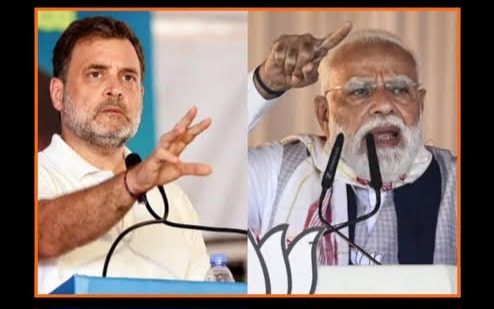

India’s principal opposition party, the Congress, has raised fresh concerns over the Centre’s foreign policy approach following Pakistan’s role in hosting and mediating high-level talks between the United States and Iran in Islamabad.
The development comes amid a temporary ceasefire in the ongoing West Asia conflict, with Pakistan facilitating dialogue between the two nations. The move has prompted political reactions in India, particularly regarding the country’s diplomatic positioning on the global stage.
Congress Questions Strategic Outcomes
Congress leader Jairam Ramesh criticised the government’s foreign policy, questioning how Pakistan assumed a mediating role despite India’s efforts to isolate it diplomatically in recent years.
He also raised concerns about the effectiveness of India’s global engagements and whether they have yielded tangible strategic benefits. The remarks included a critique of the Prime Minister’s diplomatic style, often characterised by high-profile personal interactions with world leaders.
Context: US-Iran Talks in Islamabad
The talks in Islamabad involve senior representatives from both countries, including US Vice President JD Vance and Iranian officials led by parliamentary speaker Mohammad Bagher Ghalibaf and foreign minister Abbas Araghchi.
These discussions follow weeks of conflict that have impacted regional stability and global energy markets. Pakistan’s role as a mediator has drawn international attention, given its ties with both nations.
Debate Over India’s Diplomatic Position
The Congress also questioned whether India could have played a more active role in facilitating dialogue, particularly as the current chair of the BRICS+ grouping.
According to the party, India’s position in global forums and its relationships with major powers should ideally translate into a stronger role in conflict resolution efforts.
References to Past Diplomatic Efforts
In its remarks, the Congress cited past instances of diplomatic engagement, including efforts following the 2008 Mumbai attacks, suggesting that earlier governments had managed to build stronger international consensus.
The party also pointed to recent geopolitical developments, including India’s evolving relations with major global players, as factors influencing its current diplomatic standing.
Broader Implications
The situation highlights ongoing debates about India’s foreign policy direction, especially in a rapidly changing geopolitical environment. It also reflects differing political perspectives on how India can best position itself in global diplomacy and conflict resolution.
Meanwhile, there remains cautious optimism that the ongoing US-Iran talks could contribute to de-escalation and regional stability.
Comments are closed.