

The two sides appear to have little in common except “the need to find a way out of the war,” The Washington Post reports. Before the talks, both countries accused each other of acting in bad faith.
US President Donald Trump described Iran’s public proposal as a fraud and said that Tehran is being dishonest by banning ship transit through the Strait of Hormuz.
Meanwhile, Iran has set firm conditions. According to The Washington Post and The New York Times, Iranian Parliament Speaker Mohammad Bagher Ghalibaf said that issues such as the release of sanctioned and blocked assets would have to be resolved before negotiations could begin.
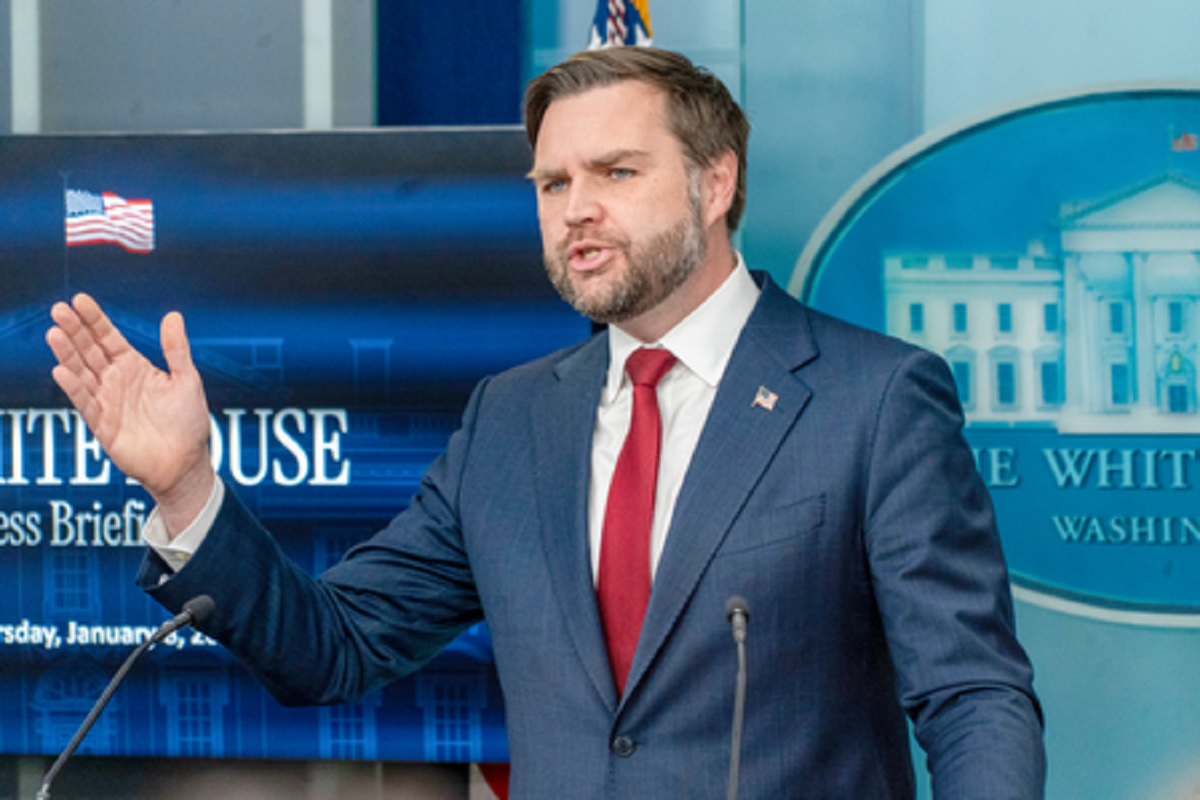
Vice President JD Vance is leading the American delegation. “I think it would be positive. If Iran talks in good faith, we’re certainly willing to extend an open hand,” he told the media, according to The Washington Post.
Pakistan has presented itself as an important mediator. According to The Wall Street Journal report, Pakistani Prime Minister Shehbaz Sharif described the talks as a ‘do or die’ moment.
This conversation is taking place at a time when the situation in the area at large remains unstable. According to The Washington Post and The New York Times, although a technical ceasefire is in place, Israeli operations in Lebanon continue, making diplomatic efforts difficult.
According to The Washington Post, a major blockage is the Strait of Hormuz, a vital global energy route. Iran has imposed such controls under which tankers will have to obtain permission and has started collecting toll. American officials refused to accept this move, calling it “illegal”.
The impact of the Hormuz crisis has been seen on the global market. Due to this, there has also been a rise in oil prices. America wants to completely reopen the Strait of Hormuz, while Iran is bent on maintaining its dominance over this sea route.
The status of negotiations is still very different. According to The Washington Post, Iran has rejected US demands to stop uranium enrichment and curb its missile program. At the same time, America has indicated that relief in the ban will be available only after the deal.
It is not yet clear whether the talks will be direct or there will be mediation. The two sides may sit separately, The Washington Post reported. Vance has a big responsibility at this time. The Wall Street Journal reported that Trump had sent him to lead the negotiations. In such a situation, the outcome of this conversation is largely related to the political understanding of the Vice President.
Regarding Pakistan’s role, The New York Times reported that Pakistan helped in the initial ceasefire and is leveraging relations with both Washington and Tehran despite internal economic and security challenges.
The current fighting escalated earlier this year, threatening energy supplies around the world. There was a brief ceasefire this week, but it is not certain how long it will last as both sides are testing each other’s intentions.
Scrutiny in Tamil Nadu Assembly elections, 4,023 candidates left after withdrawal of nominations!

Comments are closed.