
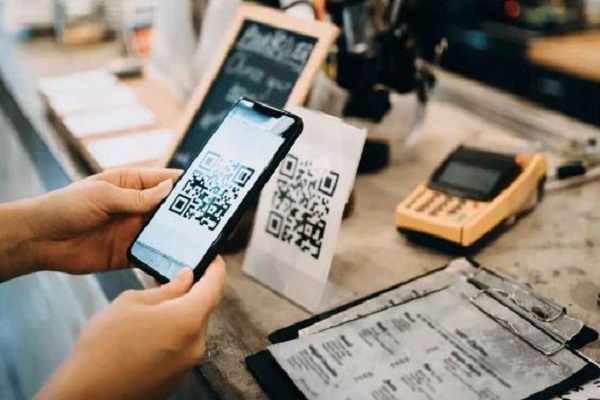

New Delhi, 11 April 2026: There was a time when in India one had to stand in long queues for hours to pay bills for normal banking transactions. But today the situation has changed. India’s financial journey has now reached ‘queue to QR code’. Finance Minister Nirmala Sitharaman has welcomed this transformative digital journey of India, saying that India has not only improved its banking system, but has presented a new model of financial inclusion to the world.
There are three main factors at the foundation of India’s digital transformation, collectively known as the JAM trinity (Jan Dhan, Aadhaar and Mobile). Under Jan Dhan Yojana, lakhs of zero-balance accounts were opened and the underprivileged were connected to banking. Provided trusted digital identity through Aadhaar, making it easier to deliver government benefits directly into accounts. Due to the prevalence of the Internet, it became possible to transact anywhere, anytime.
UPI (Unified Payment Interface), launched by the National Payments Corporation of India in 2016, has fundamentally simplified the movement of money. By January 2026, 691 banks have been connected to this network. Now the user does not need to remember the account number or IFSC code, transactions can be done in seconds using only the mobile number or UPI ID. According to the Finance Minister, the real story is not in the volume of transactions, but in who is transacting. From autorickshaw drivers to vegetable sellers, everyone is using QR codes today.
This digital payment ecosystem of India is no longer limited to just the country. UPI is now operational in many countries including France, Singapore, UAE, Nepal, Sri Lanka and Mauritius. Global leaders, including French President Emmanuel Macron, have also taken note of India’s capacity to process more than 20 billion transactions every month.
To strengthen trust in digital transactions, the Reserve Bank of India has implemented advanced authentication methods from April 1, 2026. Now every transaction is equipped with multi-layered security protection like PIN, biometrics or OTP, thereby eliminating the risks of fraud. Thus, UPIA is not just a payment system, but it has become a tool for the progress of the country. It has bridged the gap between urban and rural India. Despite being ‘indigenous’, today this system is leading the world, which is a symbol of the power of India’s inclusive innovation.
Also read: Contesting elections or voting is not a fundamental right: Supreme Court’s historic verdict

Comments are closed.