
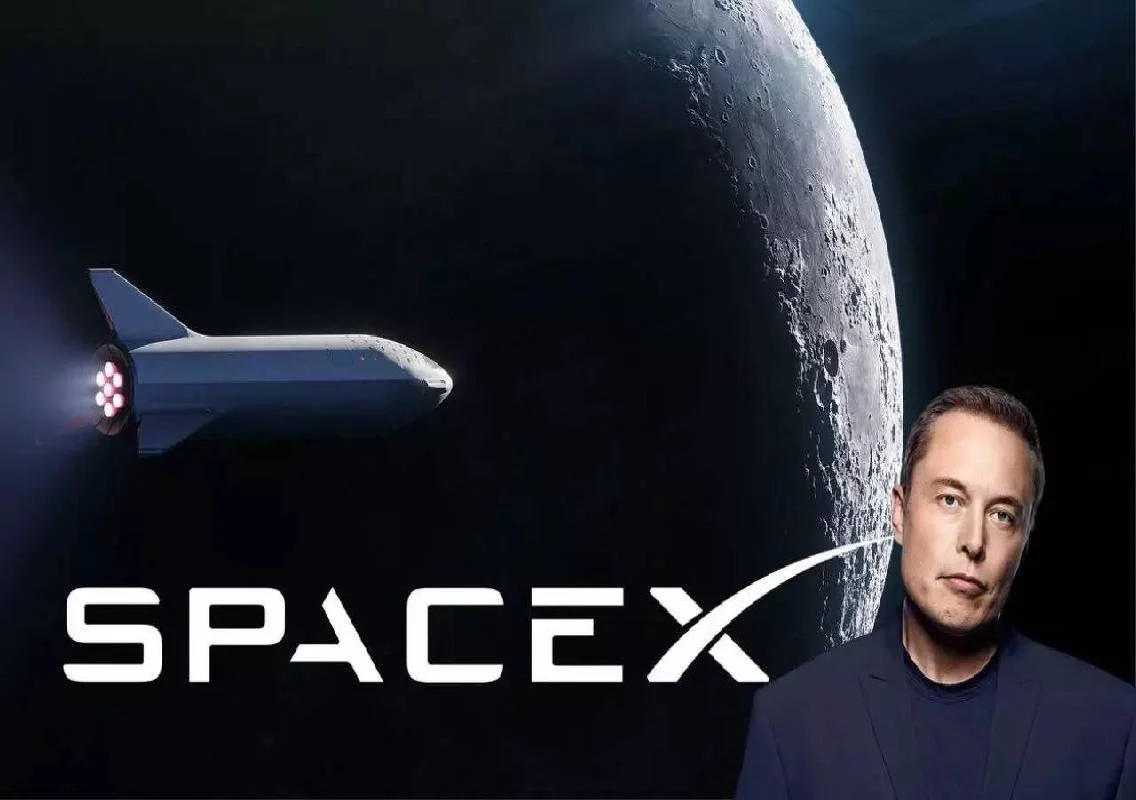

New York: Speculation over a potential initial public offering (IPO) of SpaceX at a staggering $1.75 trillion valuation has sparked intense debate across Wall Street, with investors adopting unconventional methods to justify what could become the largest IPO in history.
According to recent reports, the company has confidentially filed for a US IPO and may look to raise nearly $75 billion. An analyst day is also expected to be held on April 21, which could provide further clarity on the company’s financial outlook and growth strategy.
Unconventional valuation methods emerge
Unlike traditional IPO valuations, where companies are compared to industry peers, investors are taking a different approach with SpaceX. Instead of benchmarking it against aerospace giants like Boeing or defence contractors such as Lockheed Martin, analysts are drawing comparisons with technology-driven firms.
These include data analytics firm Palantir Technologies and infrastructure players linked to artificial intelligence, such as GE Vernova and Vertiv.
The rationale behind this shift lies in SpaceX’s diversified business model, particularly its satellite internet division, Starlink, and its long-term growth potential in the global space economy.
Starlink drives growth narrative
A key factor supporting the lofty valuation is SpaceX’s Starlink service, which is rapidly expanding its global footprint. Company executives believe Starlink alone could tap into a market worth nearly $1.6 trillion.
SpaceX Chief Financial Officer Bret Johnsen has reportedly described the company’s opportunity as access to “the largest total addressable market in human history,” estimated at around $370 billion for the broader space industry.
Some investors argue that comparing Starlink with traditional telecom operators such as AT&T or Verizon fails to capture its true potential. Instead, they see it as a high-growth technology platform, similar to companies benefiting from data and AI-driven demand.
Premium valuation raises concerns
Despite the optimism, the proposed valuation has raised eyebrows among market experts. By conventional metrics, SpaceX appears significantly overvalued. Traditional aerospace and telecom companies typically trade at much lower earnings multiples due to slower growth and established business models.
In contrast, companies like Palantir are currently trading at steep valuations—around 43 times expected revenue and 75 times earnings—reflecting strong investor appetite for high-growth technology firms.
However, SpaceX could surpass even these levels. Estimates suggest it may trade at nearly 110 times its projected 2025 revenue, according to industry data.
Analysts warn that such pricing reflects a “platform premium,” where investors are willing to pay more today in anticipation of dominant market positions and long-term profitability.
Experts caution against hype-driven pricing
Not all market observers are convinced by the bullish narrative. Aswath Damodaran, a well-known valuation expert, has cautioned that pricing such a company is inherently complex.
He noted that investor sentiment and momentum could play a significant role in determining the IPO’s success, rather than purely financial fundamentals. According to him, many investors may already believe in SpaceX’s future and are now attempting to rationalise its high valuation.
This reliance on market mood, rather than traditional valuation frameworks, has led to concerns about potential overpricing and volatility once the company goes public.
A defining moment for global markets
If the IPO materialises at the projected valuation, it could redefine how high-growth, innovation-led companies are valued in global markets. It may also set a precedent for future listings in emerging sectors such as space technology and artificial intelligence.
At the same time, it will test investor appetite for companies that operate at the intersection of multiple industries, without clear comparables.
Conclusion
The buzz around SpaceX’s potential $1.75 trillion IPO highlights a shifting landscape in financial markets, where traditional valuation models are being challenged by new-age growth narratives. While the company’s technological leadership and ambitious vision make it a compelling story, questions remain over whether such a high valuation can be justified in the long run.

Comments are closed.