
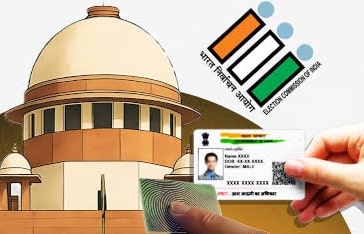
Supreme Court to Examine Biometric and Facial Recognition Voting System to Prevent Electoral Fraud in India

The Supreme Court of India has agreed to examine the feasibility of introducing biometric and facial recognition systems for voter verification, a move aimed at strengthening the integrity of elections and preventing fraud.
Court Issues Notice to Centre and Election Commission
A bench led by Chief Justice Surya Kant and Justice Joymalya Bagchi issued a notice to the central government and the Election Commission of India (ECI) while hearing a public interest litigation (PIL) filed by advocate Ashwini Upadhyay.
The petition calls for the implementation of fingerprint and iris-based biometric authentication at polling booths to ensure that only eligible voters cast their votes.
Not for Immediate Implementation
The court clarified that such a system cannot be introduced for upcoming elections. It emphasized that implementing biometric verification would require significant legal reforms, administrative planning, and financial resources.
The bench observed that the proposal raises important questions about improving electoral transparency but acknowledged that it is not a simple administrative change.
Key Concerns Raised in the Petition
The PIL highlights several ongoing challenges in India’s electoral system, including:
- Impersonation and duplicate voting
- Presence of “ghost voters”
- Bribery and undue influence
- Errors in voter identification records
According to the petition, current voter verification methods—largely dependent on voter ID cards and manual checks—remain vulnerable to misuse due to outdated data and lack of real-time authentication.
How Biometric Voting Could Help
The proposed biometric system could:
- Ensure “one citizen, one vote”
- Eliminate duplicate and fake voter entries
- Provide real-time verification at polling booths
- Improve transparency and accountability
- Create a secure audit trail of voting activity
The petition also suggests that such reforms would align with India’s growing use of digital identity systems across governance sectors.
Legal and Financial Challenges
The court noted that implementing biometric and facial recognition systems would require:
- Amendments to existing electoral laws
- Coordination with state governments
- Budgetary approvals from the finance ministry
- Infrastructure upgrades at polling stations
Initially, the court advised the petitioner to approach the ECI. However, it later agreed to examine the issue given its long-term implications for electoral reforms.
What Happens Next
The Supreme Court will now review responses from the government and the Election Commission before deciding on the next course of action. While the proposal is unlikely to impact immediate elections, it could shape future electoral processes in India.
Comments are closed.