
5 Go Anywhere 4X4 SUVs Lined Up For Launch: New Toyota Fortuner To Mahindra Scorpio-N Facelift

SUVs have been rapidly gaining ground in India. This is part of a global trend. The affinity for this body style has spiked in recent years. Sadly, the increased acceptance has also diluted the true DNA of SUVs to some extent. Not all SUVs that are in the market today can go anywhere and everywhere, and conquer terrains. Many of them are softroaders, while some are just raised hatchbacks or crossovers. If you are a purist and are looking for a true ladder-frame SUV that is rugged and reliable enough to take you anywhere, here are five options to wait for this year.
MG Motor India will launch the Majestor SUV on April 20, 2026. Based on a rugged ladder frame chassis, this SUV is a capable off-roader. It comes equipped with three differential locks, crawl control with selectable speeds, a low-range transfer case and other electronics that together, make it an extremely capable off-roader.
The carmaker officially revealed this SUV in February. Even before that, it conquered Mount Japfu, Nagaland’s second-highest peak. More recently, the SUV even pulled a 406.4-tonne train over a distance of 300 ft on a fully operational railway track in Jammu & Kashmir. The vehicle used for this was in its stock form and had no performance or traction enhancements. Its engineering helped the Majestor to pull the weight.
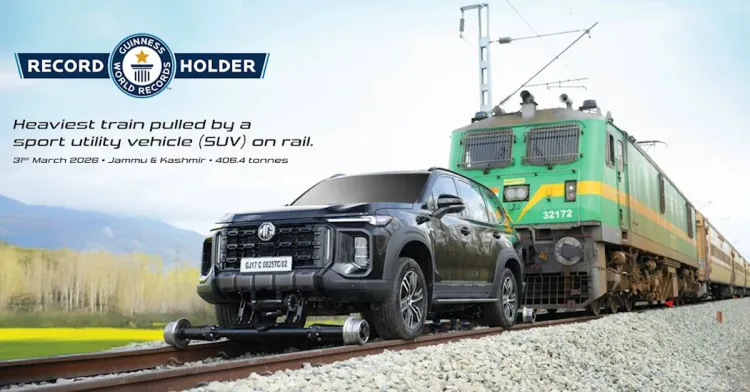
The Majestor is over five metres in length and is being positioned as India’s first D+ segment SUV. It comes with a spacious, tech-heavy cabin and is powered by a 2.0-litre twin-turbo diesel engine that makes 211 hp and 479 Nm. Mated to it is an 8-speed automatic transmission. The feature list consists of a 12.3-inch touchscreen infotainment system, panoramic sunroof, powered and ventilated front seats with massage function, level 2 ADAS and more.
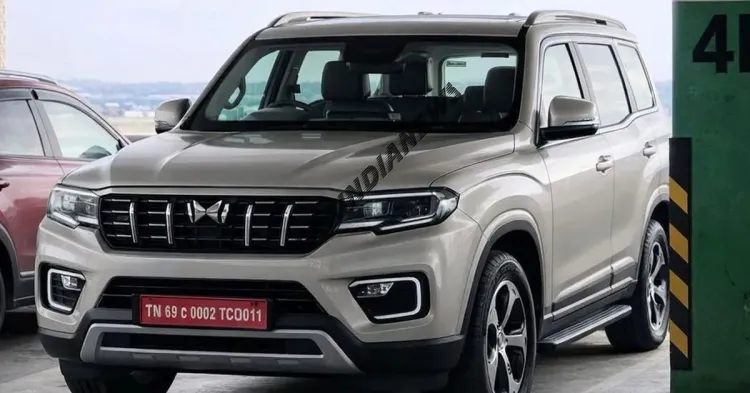
The Mahindra Scorpio N is already one of India’s most popular ladder-frame SUVs. A facelift is expected to be out this year, packing visual upgrades and feature additions. Test mule sightings have hinted at the direction that Mahindra would take with the facelift- making the exterior design even more appealing and closing the technology and equipment gap that the Scorpio-N has developed with its rivals over the years. The facelift will likely get features like a larger touchscreen, ventilated seats, panoramic sunroof, and more. ADAS features will be introduced on more variants.
Underpinning the Scorpio-N is a ladder-frame chassis and the SUV is available with both petrol and diesel engines. Only the diesel version gets 4×4 hardware. Both engines offer the choice of manual and automatic transmissions. These will remain unchanged on the new model.
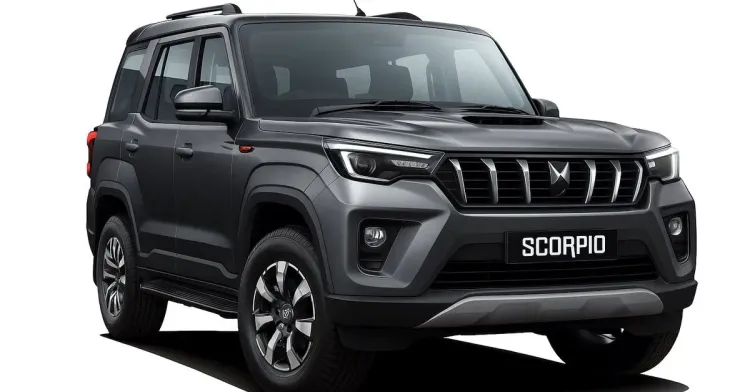
The Scorpio Classic enjoys a strong foothold in semi-urban and rural markets. It is also awaiting a facelift.The update is expected to bring cosmetic enhancements and practical improvements to the vehicle. It may get a larger infotainment units, more storage spaces and a number of other features. The powertrain will remain the same as before. The Scorpio Classic is only available with a 2.2L mHawk engine that makes 128hp and 300Nm. It will be offered with a manual transmission and Rear Wheel Drive (RWD).
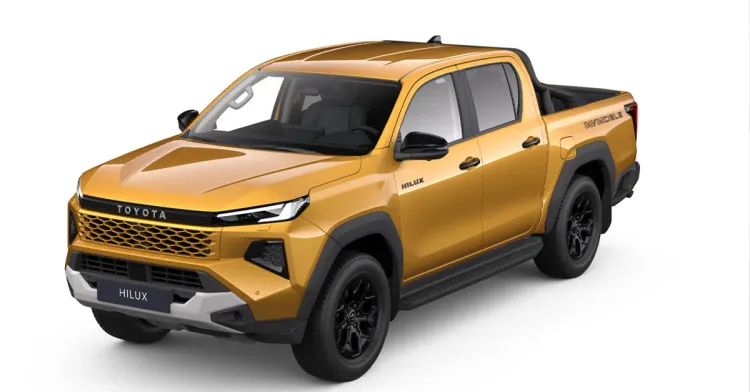
Toyota is expected to launch the ninth-generation Hilux in India this year. It will feature a new design, improved cabin layout and will have more features. The biggest design highlight is the ‘ ‘Cybersumo’ face. It will look significantly sharper than the outgoing model and will have new wheels and bumpers as well. Inside, expect to find a larger touchscreen, digital instrument cluster, and a few other new features.
The new-generation Hilux will be based on an upgraded IMV platform. It will have an improved suspension setup and offer a better ride quality than the model it replaces. It will be powered by the same 2.8 turbocharged diesel engine and will be a capable off-roader. It will be able to take you literally anywhere!

The Fortuner needs no preface and Toyota seems to be working on a generational update to it. The next-generation SUV will borrow heavily from the ninth generation Hilux. It will be based on an upgraded version of the IMV platform, and will have notable design changes over the current model. The front fascia will take inspiration from the ‘Cybersumo face’. The rear will have new bumpers and connected LED tail lamps. The side view will remain largely unchanged.
Inside, the new Fortuner is expected to get features like a larger touchscreen, a new Land Cruiser-style steering wheel, digital instrument cluster and more. It will retain the outgoing model’s engine options- 2.7L naturally aspirated petrol and 2.8L turbocharged diesel. Both manual and automatic transmissions will be available. The Fortuner, as we know, is a capable off-roader and will remain the same.

All vehicles in this list have ladder-frame construction. Let’s now discuss what this is and why it is important in defining the go-anywhere nature.
Also called body-on-ladder or body-on-frame, this is a construction in which the body of the vehicle is manufactured separately and is finally bolted onto the rigid steel ladder frame (chassis) that supports the drivetrain and suspension. The chassis in this case, consists of two longitudinal beams on the sides and a bunch of cross members, arranged in a way that it resembles a ladder.
Body-on-frame SUVs are known for their durability. Since the body and chassis are separate, these are quite modular and versatile. They can support multiple body styles without major re-engineering. Repair and maintenance are less complex than those of monocoque offerings. Due to the rugged nature of these platforms, body-on-frame SUVs are very capable off-roaders.
Comments are closed.