
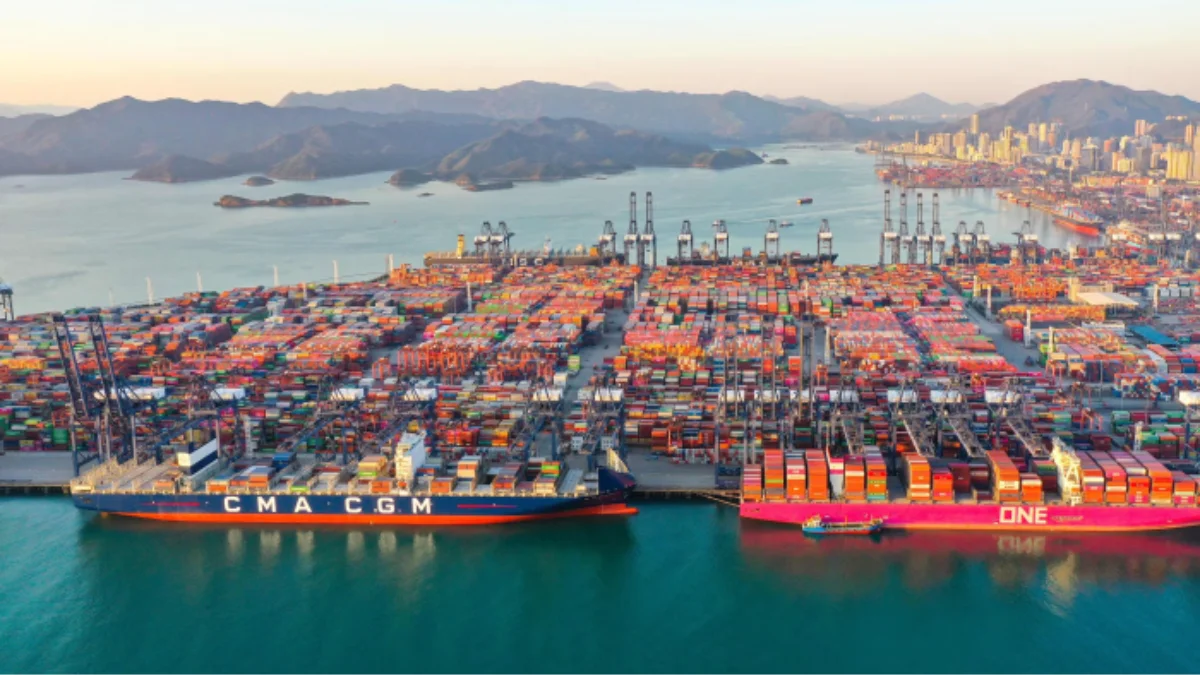

China has reported a slowdown in export momentum in March, as global economic conditions and geopolitical tensions impacted demand. The deceleration comes at a time when international markets are adjusting to uncertainty linked to conflict in the Middle Eastwhich has contributed to volatility in energy prices and supply chains. Analysts note that China’s export driven economy remains sensitive to global disruptions, particularly those affecting major trading partners and industrial demand.
Energy shock influences global trade dynamics
The ongoing tensions in the Middle East have triggered an energy shock, leading to rising fuel costs and increased transportation expenses. Higher energy prices often translate into increased production and logistics costs, affecting export competitiveness. For China, which plays a central role in global manufacturing, such cost pressures can influence pricing strategies and demand from overseas buyers. The impact is being felt across multiple sectors, including technology and industrial goods.
AI demand meets economic uncertainty
While global interest in artificial intelligence driven technologies continues to grow, economic uncertainty has moderated the pace of new orders. Buyers seeking to invest in advanced technologies are also factoring in broader market risks, including geopolitical instability and fluctuating costs. This has created a mixed outlook, where strong long term demand for innovation coexists with short term caution in spending and procurement.
Policy focus on sustaining growth
Chinese authorities are expected to closely monitor export trends and consider policy measures to support economic growth. Maintaining stable trade performance is a key priority, particularly as external challenges persist. Efforts may include boosting domestic demand, enhancing trade partnerships, and supporting key industries affected by global conditions. The government’s approach will be critical in managing the impact of external shocks.
Global implications of export slowdown
China’s export performance has significant implications for the global economy, given its role as a major supplier of goods. A slowdown can affect supply chains, pricing, and availability of products worldwide. Countries reliant on Chinese exports may experience adjustments in trade flows, while global markets respond to changing economic signals.
Outlook for trade and economic stability
The outlook for China’s exports will depend on developments in the Middle East, energy markets, and global demand conditions. Stability in these areas could support a recovery in trade activity. As the situation evolves, policymakers and businesses will continue to adapt to shifting dynamics, balancing growth objectives with external risk

Comments are closed.