
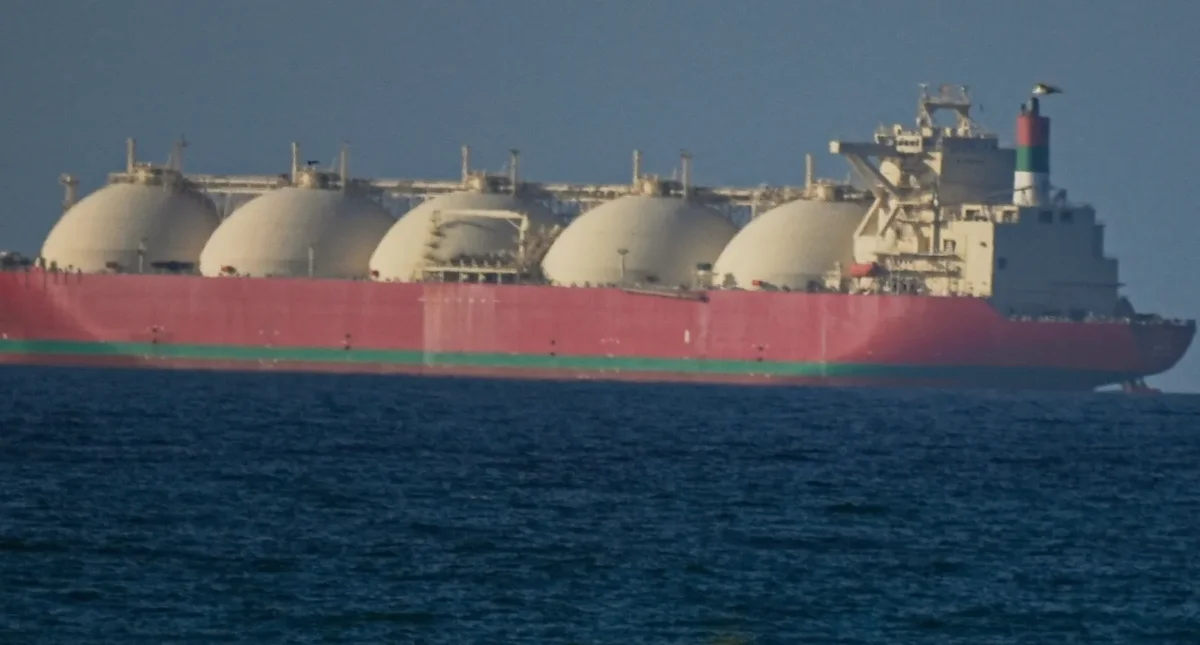

Iranian First Vice President Mohammad Reza Aref escalated regional tensions on Saturday, April 18, 2026declaring that Iran will defend its rights “from the negotiating table to the battlefield.” Following the stalemate in the Islamabad Talksthe statement signals that Tehran is formally tethering the security of the Strait of Hormuz to its demands for war reparations and the removal of the U.S. naval blockade.
The Breakdown of Transit
The promised “reopening” of the Strait has effectively collapsed into a militarized standoff:
Renewed Hostilities: On April 18, the IRGC Navy announced it had “regained full control” over the waterway, citing the continued U.S. “siege” of Iranian ports. This follows reports of IRGC gunboats firing warning shots near commercial tankers northeast of Oman.
Blockade Friction: Tehran’s reversal is a direct response to President Trump’s recent declaration that the U.S. blockade on Iranian oil will remain in “full force” until a final, 100% “transaction” is signed.
Legal and Strategic Leverage
Aref’s rhetoric transforms a maritime security issue into a tool of economic coercion. Under the UN Convention on the Law of the Sea (UNCLOS)blocking an international strait for political concessions is legally indefensible. However, in the current “legal gray zone,” Iran is using its geographical proximity to demand compensation for the February 28 air campaign as a condition for safe passage.
Final Outlook
With the ceasefire set to expire on April 22the “Islamabad Process” is at a breaking point. Unless mediators can bridge the gap between U.S. “maximum pressure” and Iran’s demand for reparations, the Strait remains a global energy flashpoint.

Comments are closed.