
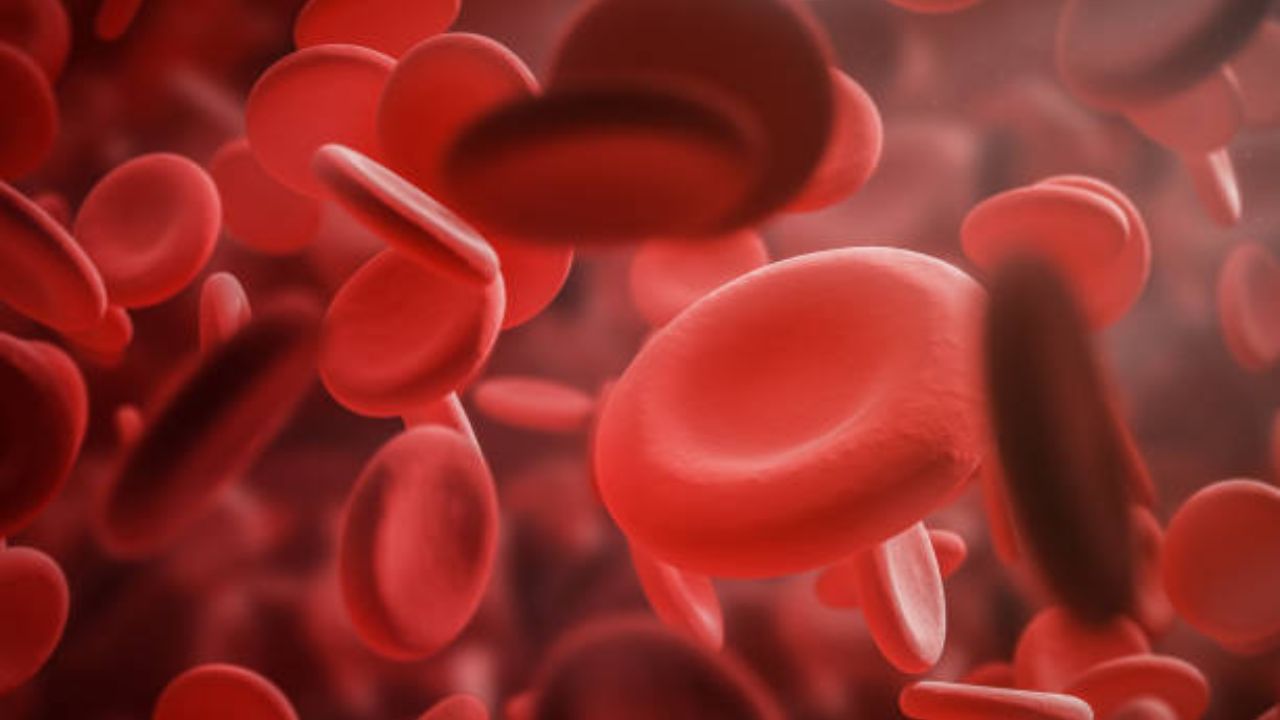
What is Hemophilia? How it affects the body’s ability to stop bleeding, learn from experts

Every person has to face some serious illness at least once in their life after birth. Many changes are seen in the body after contracting genetic diseases like diabetes, cholesterol, heart attack, blood pressure etc. Any rare disease in the body can lead to death if not treated properly. Among them, a serious and very rare blood disease is hemophilia. It is a blood disorder in which blood clots do not form properly. After any injury, internal organs continue to bleed for a long time. This disease is mainly seen in men. The disease is more likely to develop due to genetic changes and lack of ‘clotting factor’ protein in the body. This disease is transmitted from parents to children. It is very important to take proper care of the body after contracting genetic diseases. Let’s find out Dr Dhyaneshwar Upase, Clinical Hematologistdetailed information given by(Photo courtesy – istock)
Why does illness increase during changing seasons? Follow ‘these’ simple measures to take care of the body, the risk of infection will be reduced
How does hemophilia affect the body’s natural ability to stop bleeding?
Normally, when an injury occurs, proteins in the blood called ‘clotting factors’ come together to form a seal (blood clot) and stop the bleeding. In people with hemophilia, one of these clotting factors, usually factor VIII or factor IX, is either missing or not working properly. Hence, the bleeding lasts much longer. Although bruises are visible on the outside, internal bleeding in joints such as knees, elbows and ankles is a real concern. Over time, this repeated bleeding can lead to permanent joint damage and chronic pain. If left untreated, it can affect the patient’s ability to walk and climb stairs.
What is preventive therapy in the treatment of hemophilia?
Traditionally, the standard form of treatment in hemophilia was ‘on-demand’ treatment, in which factor concentrate was injected to stop bleeding after it had started. However, modern hemophilia management has shifted towards preventive treatment. This involves regular infusions of clotting factors to keep blood clotting factor levels high enough to prevent bleeding before it starts.
What are the benefits of preventive measures?
By keeping the levels of the factor stable, patients can achieve the following: Prevent spontaneous bleeding into the joints. The risk of complications such as long-term joint damage can be significantly reduced. Physical activity and daily life can be participated in with much less anxiety.
What is an extended half-life (EHL) factor? How do EHL components improve patients’ quality of life?
The biggest hurdle for patients receiving preventive treatment is the frequency of injections. Standard regimens often require dosing every second or third day, because the drug’s half-life (the length of time the drug remains active in the body) is relatively short. This is where the EHL component is changing the situation. EHLs are produced by modifying the constituent proteins, so that they remain in the bloodstream longer. This treatment has two major advantages:
A. Less frequent medication: Patients may need to take medication less times a week, which is a big relief especially for children and their caregivers.
b. Continuous protection: Because the drug lasts longer, there is no break in protection, giving patients more reliable protection and reducing complications.
What is the role of pen devices in the management of hemophilia?
New, easy-to-use pen devices are replacing hospital infusions with prefilled, portable alternatives, making home treatment of hemophilia easier. This innovation reduces the stress of hospital visits, helps patients adhere to their prevention plan, and at the same time gives them more freedom in their daily lives.
A special ‘nasal spray’ made by an American professor of Indian origin, sparks the brain to be injected now
What does this mean for families in India?
For the hemophiliac community in India, the initiation of physician-supervised EHL treatment means convenience and independence. This means that the child can go to school without regular visits to the hospital or play cricket with friends without worrying about internal bleeding. With modern preventive treatments and the development of long-acting factors, hemophilia has become a manageable part of the patient’s life, bringing relief to both the patient and their family. To learn more about these preventive treatment options, talk to your hematologist.

Comments are closed.