
Women’s Representation Bill Stalls as India Drops Controversial Plan to Redraw Parliamentary Boundaries – Obnews

A major proposal by Prime Minister Narendra Modi’s government to reshape India’s electoral structure has stalled after lawmakers failed to approve legislation linking expanded women’s representation to a nationwide redrawing of parliamentary constituencies. The setback came after two days of debate in the lower house of Parliament, where the measures did not secure the required two thirds majority support.
The proposed legislation aimed to reserve one third of seats for women in both the national Parliament and state legislatures. The initiative was widely viewed as a historic step toward improving female political participation in a country where women remain significantly underrepresented in elected office. Despite broad agreement across parties on the importance of increasing women’s representation, the proposal became entangled in controversy due to its connection with a separate plan to redraw electoral boundaries.
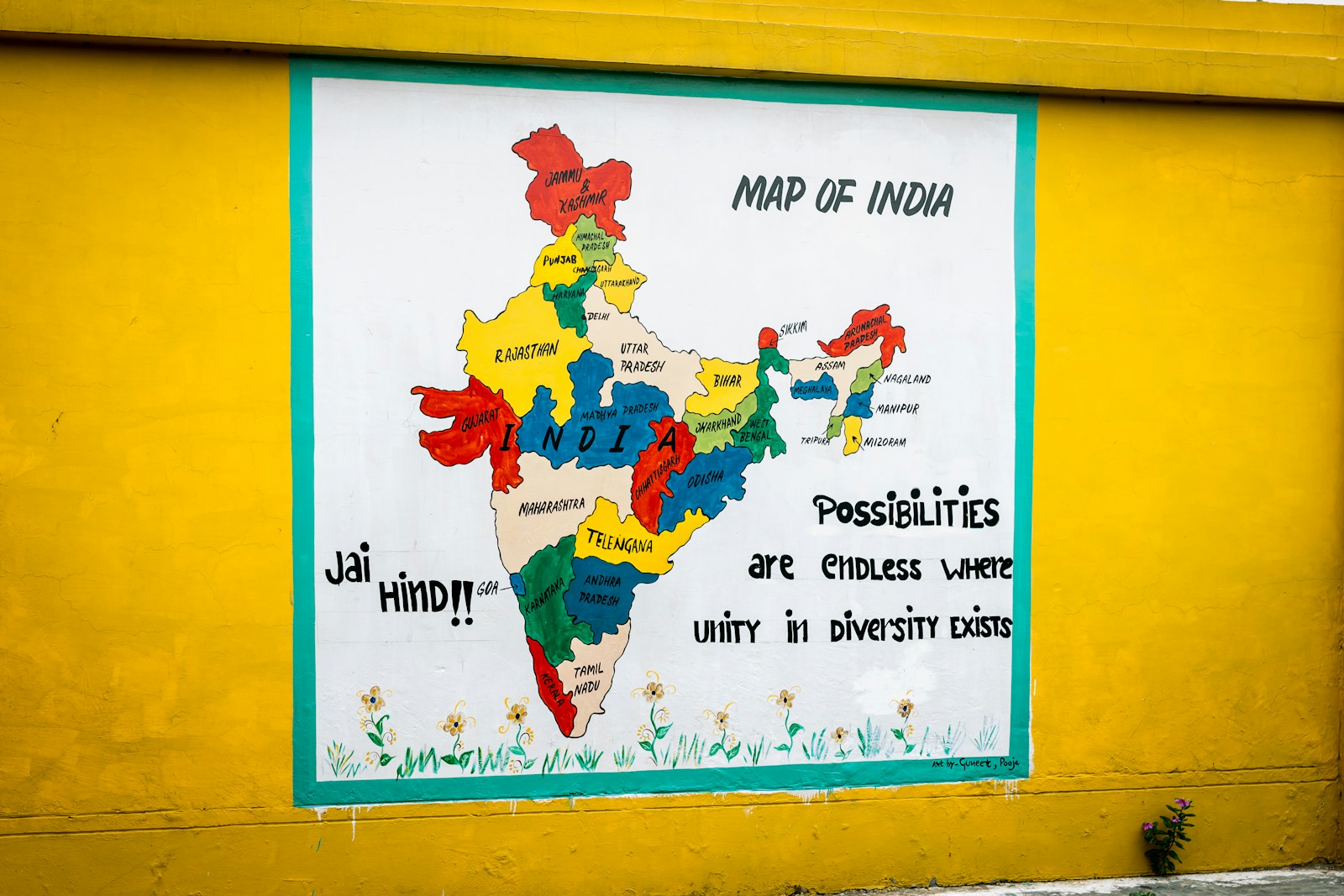
Opposition parties raised concerns that the delimitation exercise could alter the balance of political power across the country. Critics argued that basing new constituency boundaries on population data from the 2011 census could increase representation for faster growing northern states while reducing influence in southern regions. Several opposition leaders warned that such changes might indirectly benefit the ruling Bharatiya Janata Party, which maintains strong support in parts of northern India.
The government defended the proposal by stating that any increase in parliamentary seats would apply uniformly across states. Officials said the number of seats in the lower house could have risen from 543 to roughly 850 before the next national election scheduled for 2029. However, critics noted that the draft legislation did not clearly guarantee equal proportional adjustments nationwide, which contributed to continuing skepticism among opposition lawmakers.
Ahead of the vote, Prime Minister Modi said on social media that concerns surrounding the legislation had been addressed with facts and logic. Opposition figures remained unconvinced. Congress leader Rahul Gandhi described the plan as an effort to reshape India’s electoral map, reinforcing resistance from rival parties.
After failing to secure the required parliamentary support, the government withdrew the delimitation proposal along with the linked quota measure. The outcome leaves the issue of women’s representation unresolved for now, even as political debate continues over how and when such reforms might return to the legislative agenda. This report is based on coverage by The Associated Press.

Comments are closed.